


The Short Answer
Work out the repayments you can live with, check your deposit and buying costs, then get your finance assessed before committing to a property. The 10 steps below take you from that first budget to getting the keys.
Buying in Queensland? Eligible buyers may be able to combine the $30,000 new-home grant, a stamp duty concession and the 5% Deposit Scheme. They have different rules. I've explained where each fits, with links to our detailed guides.
If you rent while searching, see the guide to breaking a lease to buy a house.
As you prepare to buy, see when and how to pay your house deposit.
Already made an offer or signed? Go to making an offer or settlement. If you're still working out whether buying is possible, start with our first home buyer eligibility and affordability calculator, then use this guide to check what sits behind the result.
The budgeting and loan steps apply across Australia. I've used Queensland for the grant, duty and contract examples; your state may have different rules.
For a shorter overview with guides organised by buying stage, visit our Home Buying Hub.
1. Decide what you need from your first home
Before you spend another Saturday at open homes, write down what you want the purchase to change. More room? A stable place for the kids? Somewhere closer to work? That answer helps when you have to choose between location, size and price.
I'd split your list into essentials and things you can live without. A workable commute might be essential. A renovated kitchen might be something you can save for later. Your first home doesn't need to be your forever home, but it should suit the life you expect to lead for the next few years.
- Agree on your preferred areas and acceptable travel time.
- Choose a realistic buying timeframe, taking your lease and work plans into account.
- Discuss children, parental leave, study or other changes that could affect income.
- Set a repayment limit before choosing a purchase-price limit.
You can keep renting while you get ready. If saving is the immediate problem, our guide to saving a deposit while renting is a more useful next step than rushing into inspections.
2. Set a budget you can live with
What I learnt from stretching my own budget
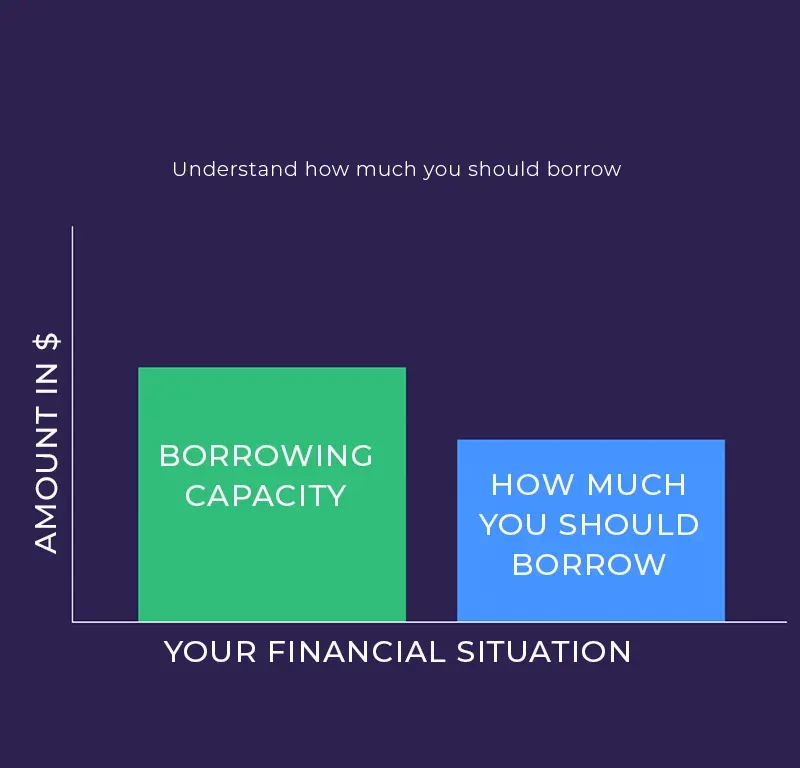
Check the repayments, then the purchase price
A lender assesses your income, expenses, debts, dependants and the proposed loan. Its maximum isn't a spending target. Start with your household budget and leave room for repairs, an emergency fund and the things you still want to do after buying.
For a hypothetical $500,000 loan over 30 years, monthly principal and interest repayments are about $2,998 at 6% or $3,327 at 7%. That's roughly $329 more each month. These are examples, not current rate offers. They assume the same term and balance and exclude fees.
Our guide to how home loan repayments are calculated explains the figures. I'd also test a period of lower income or higher living costs before committing.
How much deposit do you need?
You don't always need 20%. The right target depends on your lender, the property and whether you qualify for a government scheme, an LMI waiver or family support. A smaller deposit usually means a larger loan, so compare the repayments as well as the time it takes to save.
If you have been told you need a 20% deposit or a perfect credit score, our first-home buyer myths guide explains what lenders actually check.
Deposit examples on a $600,000 purchase
Scroll to see more columns
| Deposit | Contribution towards the price | Loan before fees or LMI |
|---|---|---|
| 5% | $30,000 | $570,000 |
| 10% | $60,000 | $540,000 |
| 20% | $120,000 | $480,000 |
These hypothetical figures assume the valuation matches the price and exclude buying costs. The 5% example doesn't establish eligibility or approval. Use our deposit calculator to change the price, then check the available options in our minimum deposit guide.
LVR, LMI and genuine savings
- LVR (loan-to-value ratio) compares the loan with the value the lender accepts. A $570,000 loan against a $600,000 value is 95% LVR, before any financed fees or LMI.
- LMI (lenders mortgage insurance) protects the lender if you default. It may apply above 80% LVR unless an exception or scheme applies. Adding the premium to the loan increases your debt and repayments.
- Genuine savings means evidence that meets the lender's savings rules. Gifts, grant money and rental history are treated differently across lenders. Our genuine savings guide explains what to check.
Your occupation may open another option through an LMI waiver. A guarantor home loan can also reduce the cash deposit required, but it puts the guarantor's property at risk. I'd compare these properly before asking a family member to commit.
Keep buying costs separate from the deposit
- Transfer duty, unless a concession covers it, plus title and mortgage registration fees.
- Solicitor or conveyancer fees, searches and building and pest inspections.
- Any lender application, valuation, settlement or package fees, and LMI where applicable.
- Settlement adjustments for rates, water and body corporate charges.
- Insurance, moving, utility connections and money left for urgent repairs.
Get quotes for the property you're considering. The costs of buying a home guide gives you a checklist, while the stamp duty calculator helps estimate one of the larger costs. A blanket percentage can be misleading when one buyer qualifies for no duty and another doesn't.
Check which first-home benefits you can combine
I'd check these before you settle on a property type. The grant, stamp duty concession and deposit scheme solve different problems, and qualifying for one doesn't mean you qualify for the others.
The Australian Government 5% Deposit Scheme
Eligible buyers can buy with a minimum 5% deposit without LMI through a participating lender. There are no income caps or waiting lists under the expanded scheme. You still need to meet the lender's borrowing requirements, the property's location cap and the scheme's owner-occupier rules.
The government guarantees part of the loan for the lender. It doesn't give you a cash deposit or take over your repayments. Eligible single parents or legal guardians may qualify for a separate minimum 2% deposit pathway.
In Queensland, the caps are $1 million for Brisbane, Gold Coast and Sunshine Coast, and $700,000 elsewhere. Confirm the postcode and accepted valuation with the lender. Our 5% Deposit Scheme guide explains the process; use Housing Australia's current eligibility rules when checking your circumstances.
Queensland's $30,000 first home owner grant
The $30,000 grant continues beyond 30 June 2026. It applies to eligible new homes valued at less than $750,000, including land and contract variations. An ordinary established home doesn't qualify, and a home valued at exactly $750,000 misses out.
Your age, citizenship or residency, previous ownership, any previous grant and your spouse's history need checking. You generally need to move in within 12 months of the completed transaction and live there continuously for 6 months. The updated QLD grant guide covers the exceptions, payment stages and documents.
Check when the grant will arrive. Money available at settlement may not cover a deposit due to the seller earlier. Your lender also needs to confirm how it counts the grant towards the purchase.
Queensland stamp duty concessions
For an eligible established first home, no transfer duty is payable up to $700,000. The first-home concession reduces above that value and stops at $800,000, although the ordinary home concession may still apply.
For eligible new-home contracts from 1 May 2025, the first home (new home) concession can reduce duty to $0 without a value cap on the home and its residential land. That doesn't remove separate checks for additional non-residential land or foreign-buyer duty.
Ownership history and residence conditions apply. For transactions from 1 August 2026, each buyer must also be an Australian citizen, permanent resident or specified foreign retiree to claim a Queensland home concession. Temporary residents generally pay standard duty plus 8% AFAD. Ask your conveyancer to check every buyer's entitlement. Our first home buyer stamp duty guide explains the concessions and differences between states.
Buying vacant land to build? A separate first-home vacant land concession has no value cap for eligible contracts from 1 May 2025. You generally need to build and move in within 2 years of settlement. For a purchased home, the move-in deadline is generally 12 months. Selling, transferring or leasing can affect a concession, so check the occupation rules before making those plans.
Can you use all 3 together?
Yes, where you and the property meet each set of rules. Here's a hypothetical Brisbane example: an eligible $720,000 new home, $36,000 of your savings towards the price and a $30,000 grant available at settlement leave a $654,000 loan before other costs. Eligible buyers could also pay no transfer duty and no LMI through the 5% Deposit Scheme.
That example assumes the valuation matches the price, the lender accepts the funding and you qualify for all 3 benefits. You still need to cover other buying costs and pass the loan assessment. The grant is cash; avoiding duty or LMI reduces a cost. They aren't 3 cash payments.
Finding a suitable new home below $750,000 may be difficult in your target area. I wouldn't choose the wrong property for the grant. A home above the grant limit may still qualify for no duty and the deposit scheme. Our grant-stacking examples compare both situations.
Using the First Home Super Saver Scheme
The FHSS scheme lets eligible buyers save using voluntary super contributions. Up to $15,000 of eligible contributions per financial year and $50,000 overall can count per person. Compulsory employer contributions don't count. The releasable amount generally includes 85% of eligible before-tax contributions, 100% of eligible after-tax contributions and ATO-calculated associated earnings, with tax rules applying on release.
Request an ATO determination and confirm the release timetable before relying on this money. For determinations from 15 September 2024, the contract can fall within 90 days before the release request or 12 months after it. The ATO's rules and any extension it allows still apply. A determination must be requested before ownership transfers.
Our FHSS guide explains the saving approach. Check the ATO's current instructions before contributing or signing, particularly if you've already entered a contract.
Shared equity is another option to compare. Under Help to Buy, the government takes a share in the home, with ongoing obligations. It can't be combined with the 5% Deposit Scheme. Check Housing Australia's Help to Buy guidance rather than adding every advertised benefit to one budget.
3. Check whether you are ready to buy
Nobody can tell you exactly where prices or rates will be when you settle. I'd base the timing on your savings, work, intended home and ability to manage repayments. Buying because you're scared of missing out can leave you with a home you don't want or debt you struggle to carry.
Your work and income
You don't automatically need 6 months in the same job. The lender may consider your occupation, previous work, contract, probation and how consistently you've earned the income. Our new-job home loan guide explains what we'd check.
Casual work, overtime, commission or self-employment also need the right evidence. Start with our income and employment hub, then the casual income or self-employed home loan guide where relevant. Send us the income breakdown; a base salary alone may not tell the whole story.
Your spending, credit and savings
- Review your actual spending, including subscriptions, childcare, fuel and annual bills. A budget has to survive ordinary life.
- List credit cards and their limits, car loans, personal loans, buy-now-pay-later accounts and other commitments.
- Check your credit report for mistakes and explain any missed payments before applying. A score alone does not decide approval.
- Keep clear records of savings and gifts, and explain large transfers. The lender will tell you which periods and documents it needs.
If the deposit still needs work, our 12-month deposit plan helps turn a target into regular savings. Buying an investment while you keep renting is a separate strategy: it can affect future first-home benefits, and owner-occupier schemes generally won't fund an investment purchase.
Tell us your savings, income and where you would like to buy. We can compare suitable loans and explain what to prepare for pre-approval.
Ready to check your first home budget?
4. Choose your loan and arrange pre-approval
You can apply directly to a lender or work with a broker. Ask which lenders are being compared, what fees or commissions apply and why the recommended loan fits you. I'd want the explanation to cover both the cost and how you'll use the loan.
Compare the features you will actually use
- Variable rate: repayments can change. Check access to extra repayments, redraw and offset, plus the fees.
- Fixed rate: the rate is set for an agreed period. Check extra-repayment limits, break costs and what happens when the fixed period ends.
- Split loan: part fixed and part variable. Choose the split around your needs, rather than copying someone else's percentage.
- Principal and interest: repayments reduce the debt as well as pay interest. Interest-only repayments leave the principal owing during that period and can mean higher repayments later.
Compare rates alongside application, ongoing and discharge fees. A comparison rate includes interest and most fees using set assumptions, so still compare costs for your own balance and term. An offset account can help if you keep money in it, but weigh that against any higher rate or fees.
What pre-approval does and does not tell you
Pre-approval gives you a conditional borrowing position. Ask which income, debt and savings documents the lender has checked, which conditions remain and when it expires. A quick online estimate may leave those checks until later.
The lender still needs to accept the property and valuation and confirm your circumstances haven't changed. Don't take an approval amount as permission to buy any property at that price. Our pre-approval guide explains the different checks and what to ask before making an offer.
Our home loan process guide explains each approval stage.

Get the documents ready
- Identification and citizenship or residency documents.
- Payslips, employment details and supporting income records, or the business and tax documents your lender requests.
- Savings and deposit evidence, including any gift, FHSS release or grant arrangements.
- Statements for existing loans, credit cards and accounts used for living expenses.
- Details of dependants, regular commitments and any expected income changes.
Tell your broker before changing jobs, taking on debt or spending deposit money between pre-approval and settlement. If finance is declined, find out why before lodging another application. Our loan declined after pre-approval guide explains how to deal with the lender and any contract deadline at the same time.
5. Find a property that fits the plan
Use your budget and essentials list to shortlist homes. Compare different property types and neighbouring suburbs, then visit at the times you'd actually be there. A quiet street at an open home can feel quite different during the school run.
For an apartment or townhouse, check body corporate levies, insurance, planned works and the scheme records. The purchase price won't tell you all the ongoing costs. Our strata and body corporate guide explains the documents and questions.
Send the property details to your broker early if it's unusually small, on a large block, mixed-use or otherwise outside a standard house or unit. Lenders have different property restrictions; there isn't one minimum floor area or land-size rule that applies to every loan.
Thinking about building?
Compare the full land-and-build cost with a completed home. Include site works, variations, items outside the building contract, rent during construction and a reserve for overruns.
Our construction loan guide explains stage payments and lender requirements. Read the fixed-price building contract guide before treating a headline price as the final cost, and the construction cost overrun guide before deciding how much cash to keep aside.
Buying with a partner, friend or family member
Agree on contributions and what happens if one person wants out before you buy. Ask a solicitor about joint tenants versus tenants in common, ownership shares, estate planning and a co-ownership agreement.
A 50% ownership share doesn't necessarily limit your responsibility to half the loan. Joint borrowers can each be responsible for the full debt. We also need to check how each buyer's ownership history affects the benefits you want to use.
- How will you divide the deposit, repayments, repairs and ongoing bills?
- What happens if one person loses income or stops paying?
- How would you set a buyout price, and could the remaining owner qualify for the loan?
- What happens if you separate, one owner dies or the home must be sold?
6. Work out what the property is worth
Compare recent settled sales with similar homes nearby. Match the property type, land size, condition, parking and location as closely as you can. An asking price tells you what the seller wants; it doesn't establish market value.
Keep a short list of comparable sales and note why each is better or worse. A renovated home on a quiet street is a poor direct comparison for an unrenovated property beside a busy road. Broader suburb averages and online estimates can help you start, but they won't explain those differences.
The lender's valuation can be lower than the agreed price. That can reduce the available loan or increase the cash you need. Ask your broker about this risk before you remove a finance condition or bid unconditionally.
Rental appraisals can help if you may rent the home out later, but first check the occupation rules attached to your loan, grant and duty concession. A future investment plan shouldn't cause you to breach the support you're relying on now.
7. Check the home beyond the open inspection
Building, pest, flood and body corporate checks
Arrange independent building and pest inspections and read the findings. Ask about inaccessible areas and any specialist reports needed. For strata property, have the relevant records reviewed as well; a tidy unit doesn't tell you the condition of the building's finances or shared areas.
For Brisbane homes, use the FloodWise Property Report guide to start your flood checks. Get insurance quotes before committing and confirm the actual cover, exclusions and excesses. Neither a bank valuation nor a seller's reassurance replaces these checks.
Read the seller disclosure documents
Since 1 August 2025, Queensland sellers generally need to provide a seller disclosure statement and prescribed certificates before a buyer signs. Ask your solicitor to review them alongside the contract.
The statement doesn't cover everything: structural soundness, flooding history and previous building or development approvals are among the matters it may not disclose. Your own searches and inspections still matter. See the Queensland Government's seller disclosure guidance.
Try the commute and the neighbourhood
Do the work or school trip at peak time. Walk to the shops, check parking and visit after dark. Check council planning information for nearby development, and ask about anything that could affect how you intend to use the property.
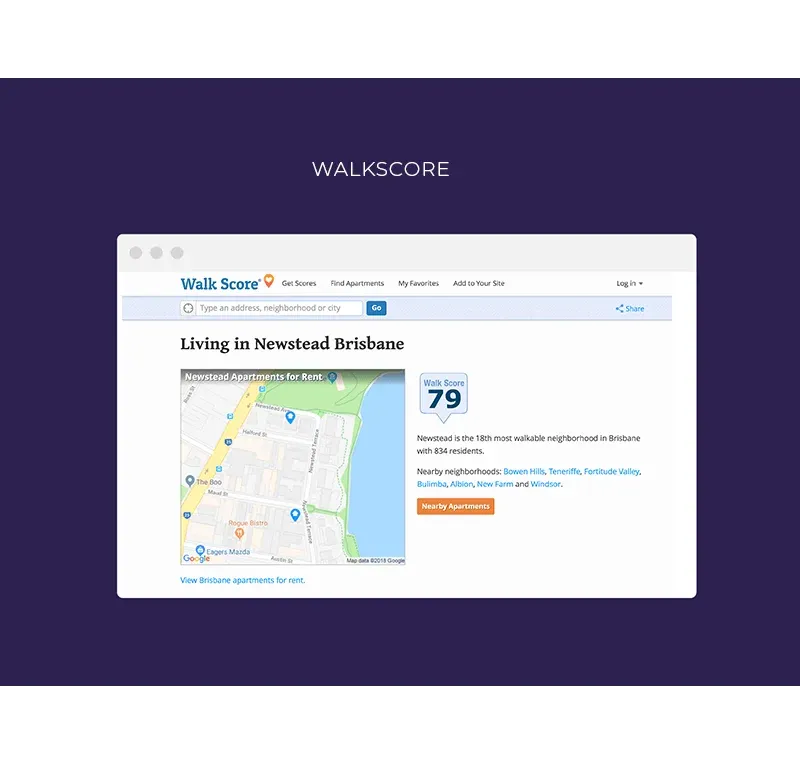
Questions to ask the selling agent
- Why is the owner selling, and what settlement timing would suit them?
- How long has it been advertised, and has the price changed?
- Are there known defects, renovations or additions, and are approval records available?
- Is the property tenanted, and can it be provided with vacant possession?
- Which appliances, fixtures and other inclusions are part of the sale?
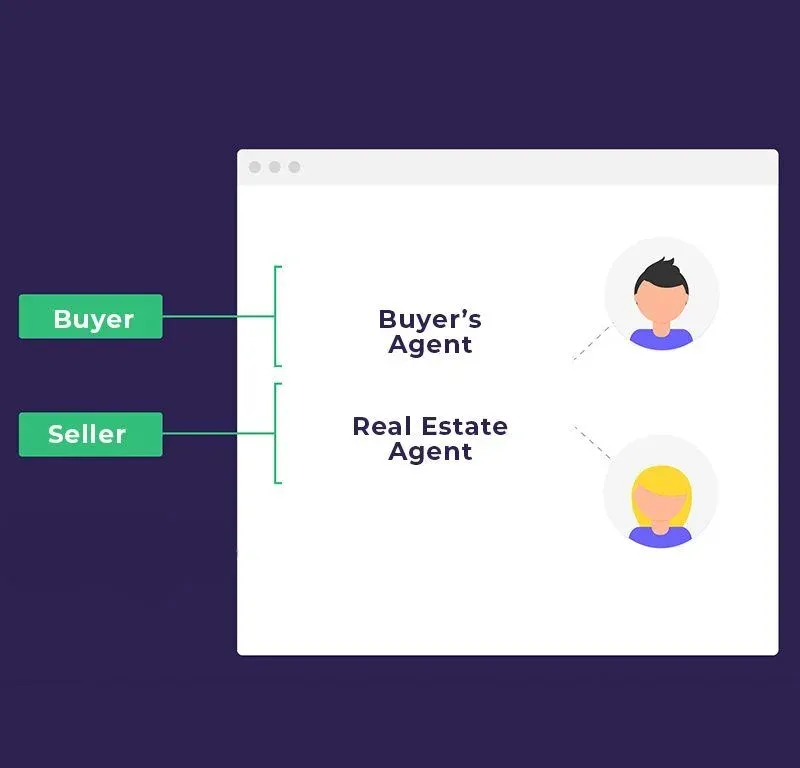
Be polite, but remember the selling agent represents the seller. Verify important answers through documents, inspections and your solicitor.
8. Make an offer you can stand behind
Set your maximum using your budget, comparable sales and any work the home needs. There is no reliable rule that you should offer a fixed percentage below the asking price. The evidence and competition will differ for each property.
Before signing an offer or contract, have your solicitor check the terms. In Queensland, a signed proposed contract is commonly used to make an offer. Don't assume you can sort the legal detail out after the seller accepts.
- Confirm the price, deposit amount and when the deposit must be paid.
- Agree on settlement timing and the inclusions you expect.
- Ask your solicitor about finance, inspection and other conditions appropriate to the purchase.
- Check who must receive any notice and by what deadline.
If the seller counters, compare the whole offer. A different settlement date may help, but removing a condition changes your risk. Our making an offer guide includes the negotiation steps, inspection checklist and contract considerations.
If an inspection finds a problem, send the report to your solicitor promptly. You may seek repairs or a price change, but the seller doesn't have to agree, and termination rights depend on the contract. Our guide to renegotiating after a building inspection explains how to prepare the discussion.
Walk away if the price or risk goes beyond the limit you set. You can like a property and still decide it isn't the right purchase.
9. Prepare differently for an auction
A Queensland auction purchase has no cooling-off period and is generally unconditional. Pre-approval alone doesn't make bidding safe. Get your legal advice, finance assessment, property checks and deposit arrangements sorted beforehand.

- Have your solicitor review the auction contract and any proposed changes before you bid.
- Check the property with your broker, including valuation risk and what remains for final approval.
- Complete inspections and searches while you can still choose not to buy.
- Confirm the deposit amount, payment method, settlement date and bidder registration requirements.
- Set a maximum bid, allow for costs and choose who will bid.
- Attend other auctions first so the pace and terminology feel familiar.
The reserve is the seller's minimum price. A property passed in hasn't sold under the hammer, though negotiations may follow. Check any proposed post-auction contract with your solicitor: some private contracts signed shortly after an auction also have no cooling-off protection.
An offer before auction also needs finance and legal checks. Our Queensland auction guide takes you through the rules and preparation in more detail.
10. Get from the signed contract to settlement
Once the contract is signed, send the complete copy and any special conditions to your broker and solicitor. Put the deposit, finance, inspection and settlement dates in your calendar. Our signed contract to settlement guide gives you the detailed checklist.
Pay the deposit and arrange insurance
Pay the amount required by your contract on time. Confirm account details by calling a trusted, independently checked number before transferring money. Don't rely solely on bank details in an email.
Ask your solicitor when the risk in the property passes to you under your contract, and arrange the required insurance in time. For a house, check the rebuilding cost rather than insuring for the full land-and-house purchase price. For a unit, understand what the body corporate policy covers and what you need separately.
Complete finance and inspection conditions
The lender may need the valuation, updated documents and confirmation of the final purchase details. Respond promptly and keep your solicitor informed. Formal approval means the lender has approved the loan. You still need to complete the loan documents, settlement and ownership transfer.
If approval is delayed or declined, contact your broker and solicitor before the finance deadline. A decline doesn't automatically cancel the contract or return your deposit. Any extension or termination must follow the contract and legal advice.
Book inspections early enough to understand the findings and act within the relevant condition. Don't wait until the last afternoon to send a report through.
Sign the loan documents and confirm the money
Check the loan amount, rate, fees, repayment type and account details before signing. Complete identification and document requirements promptly. Your solicitor should confirm the final funds needed after the deposit, loan, adjustments and any grant.
Check how and when your cash must be available, including transfer limits and clearing times. Arrange utilities, your move and mail redirection, but confirm the settlement position before making commitments you can't change.
Final inspection and getting the keys
At the final inspection, check the agreed inclusions, any repairs and the property's condition. Report problems straight away so your solicitor can advise before settlement.
Your solicitor and lender coordinate settlement. Wait for confirmation that it has completed before collecting keys or treating the property as yours. Keep the settlement statement, loan documents and evidence of when you move in, especially if your benefits have residence requirements.
After you move in
Confirm the first repayment date and keep enough in the account. Rebuild your cash reserve and review the loan when your circumstances change or a fixed rate is approaching expiry. Let your broker and the relevant scheme administrator know if your plans change in a way that affects the loan or your first-home benefits.
First home buyer questions
How this guide was checked
Experience and sources
The Queensland grant, duty concessions and national deposit schemes have separate eligibility rules. Loan approval depends on the lender's assessment and the property.
My 2009-2010 purchase is a historical personal experience, separate from the hypothetical examples. The September 2009 to May 2010 cash-rate figures were checked against RBA records; they are not a record of my individual loan rate. Repayment examples use monthly principal and interest amortisation over 30 years, with no fees or offsets; rounded monthly figures are shown. The $720,000 purchase example assumes qualifying buyers and property, a matching valuation and grant payment at settlement, and excludes other costs.
Sources
- Queensland Government: extension of the $30,000 grant
- QRO: first home owner grant eligibility
- QRO: first home concession for established homes
- QRO: first home (new home) concession
- QRO: first home vacant land concession
- Housing Australia: 5% Deposit Scheme eligibility
- Housing Australia: property price caps
- ATO: First Home Super Saver Scheme
- Australian Government: First Home Super Saver overview
- Housing Australia: Help to Buy questions and compatible assistance
- Moneysmart: choosing a home loan
- Moneysmart: using a mortgage broker
- Moneysmart: joint loans and shared finances
- Moneysmart: responsibilities of a guarantor
- Queensland Government: seller disclosure
- Queensland Government: buying at auction
- RBA: historical cash rate decisions

Want to work out your next step?
Tell us your savings, income and where you'd like to buy. We'll check the loan options and first-home benefits that may fit, then explain what to get ready before you make an offer.
or call 1300 088 065
Hunter Galloway Finance Pty Ltd, Credit Representative 476903, is authorised under Australian Credit Licence 389328. General information only. Your circumstances, eligibility and lending criteria need to be assessed.