

For most straightforward home loan applications, start with 3 months of everyday and savings statements. A lender may ask for more for a refinance, deposit history or other parts of your application.
Keep your loan and credit card statements handy too. The final list depends on what the lender needs to check and what it can already see in its records or your credit report. We’ll give you one checklist for your application.
If either applicant holds a visa, tell us the subclass before gathering the full application pack. Our visa home loan guide explains where to start. For an 820 or 309, use the partner visa guide alongside this statement checklist.

Match the statement to the question the bank is asking
What each record helps the lender check
Scroll to see more columns
| What needs checking? | Documents that may help |
|---|---|
| Salary and other income payments | Transaction history alongside payslips and income evidence |
| Everyday expenses | Relevant transaction and card statements, plus your declared budget |
| Deposit and source of funds | Savings history, transfer records and evidence of gifts or asset sales |
| Existing mortgage repayment history | Loan statements, or repayment history the lender can match to your account on your credit report |
| Credit cards and other debts | Balance, limit and repayment information |
| Business income | Business accounts alongside tax returns, financial statements or other accepted evidence |
- Documents that may help
- Transaction history alongside payslips and income evidence
- Documents that may help
- Relevant transaction and card statements, plus your declared budget
- Documents that may help
- Savings history, transfer records and evidence of gifts or asset sales
- Documents that may help
- Loan statements, or repayment history the lender can match to your account on your credit report
- Documents that may help
- Balance, limit and repayment information
- Documents that may help
- Business accounts alongside tax returns, financial statements or other accepted evidence
The period needed for one purpose may not be enough for another. A statement showing your current balance doesn't establish how the deposit was accumulated, and salary credits alone may not verify all the income you want the lender to use.
Why statements matter
I look for regular income, loan repayments and expenses that are easy to miss in a monthly budget. Annual insurance, school costs and subscriptions can all change how much you have left for a mortgage.
Lenders compare living expenses with their assessment requirements, including benchmarks such as the Household Expenditure Measure. That doesn't mean every takeaway purchase causes a problem. The issue is whether the overall budget and commitments support the proposed loan.
ASIC's responsible lending guidance explains the need for inquiries and verification. Tell us about any unusual transactions so we can explain them accurately rather than leave the bank guessing.
Refinancing: when loan statements are needed
A lender needs to understand the debt being refinanced and how it has been managed. The lender may be able to verify that history from your credit report if it can match the account and find all the information it needs.
If the credit report is missing an account or part of its repayment history, the lender may ask for statements to fill the gap. Our refinancing guide explains the other checks involved in switching loans.

How document requirements can differ between lenders
Examples of lender document requirements
Scroll to see more columns
| Lender | What you’re doing | What may be needed |
|---|---|---|
| Westpac | Refinancing a mortgage | When statements are needed: 6 months if mortgage insurance applies, or 3 months if it doesn’t. Eligible applications may use the credit report instead, as explained below. |
| Westpac | Refinancing a credit card or personal loan | When statements are needed: the last 3 months. The credit report may cover some checks where the account and its repayment history meet Westpac’s rules. |
| Westpac | Using your credit report | Westpac must be able to match the credit provider and account number to your credit report. If the account is missing, or its repayment history is blank or has certain special codes, it needs statements or an accepted transaction listing. It may still need other documents to verify your loan details. |
| NAB | Gift or inheritance towards your deposit | NAB has a gift or inheritance pathway requiring its Non-Refundable Gift / Inheritance Contribution Template, with the money in your account when the application is submitted. We’ll check that this pathway applies to your loan before relying on the money to meet its savings test. |
| NAB | Using rent as savings evidence | NAB’s rental history option calls for at least 90 days of records from a registered real estate agent or government department, with no rent more than 7 days late. We’ll check the total rent it can count towards your required contribution before relying on this option. |
- What you’re doing
- Refinancing a mortgage
- What may be needed
- When statements are needed: 6 months if mortgage insurance applies, or 3 months if it doesn’t. Eligible applications may use the credit report instead, as explained below.
- What you’re doing
- Refinancing a credit card or personal loan
- What may be needed
- When statements are needed: the last 3 months. The credit report may cover some checks where the account and its repayment history meet Westpac’s rules.
- What you’re doing
- Using your credit report
- What may be needed
- Westpac must be able to match the credit provider and account number to your credit report. If the account is missing, or its repayment history is blank or has certain special codes, it needs statements or an accepted transaction listing. It may still need other documents to verify your loan details.
- What you’re doing
- Gift or inheritance towards your deposit
- What may be needed
- NAB has a gift or inheritance pathway requiring its Non-Refundable Gift / Inheritance Contribution Template, with the money in your account when the application is submitted. We’ll check that this pathway applies to your loan before relying on the money to meet its savings test.
- What you’re doing
- Using rent as savings evidence
- What may be needed
- NAB’s rental history option calls for at least 90 days of records from a registered real estate agent or government department, with no rent more than 7 days late. We’ll check the total rent it can count towards your required contribution before relying on this option.
For an open account, Westpac allows a statement to be up to 2 months old when it starts reviewing your application. Closed accounts have no maximum statement age under that rule. The documents still need to cover the history required for your application. I’d check which records we need before you spend time downloading them.
Deposit evidence and genuine savings are different
Having a deposit available is one step. Some loans also require evidence that you've saved or contributed a minimum amount over time. Our genuine savings guide explains what counts. The test depends on the lender, how much you're borrowing against the property and whether you're using a government guarantee.
If you’ve been paying rent regularly, send us your rental ledger along with your savings balance. I’d check how much of that history the lender can count before you spend another few months saving. A gift towards your deposit also needs the right paperwork before we submit your application.
Our deposit guide explains how the source of your funds fits into the purchase budget.
Get my application checklist
We'll identify the statements and income evidence needed for your lender, including any deposit or refinance requirements.
or call 1300 088 065
We’ll explain the costs before you apply.
Casual, overtime and self employed income
Variable income may need a longer history or different documents than a straightforward base salary. Lenders may ask for year to date payslips, income statements, employment evidence or additional account history.
For a business owner, paying yourself a regular wage doesn't necessarily mean the bank can assess you exactly like an unrelated employee. The lender may still need to understand the business and its ability to support that income.

Keep the supporting records together and tell us about recent changes in hours, jobs or business structure. Relevant industry experience may help with some options, so a short time in the current role doesn't automatically rule you out.
Business bank statements
The period depends on your lender and business, so ask us for the lender’s document checklist before you apply. Your tax returns and financial statements show the income. The lender may also ask for BAS and business statements to show current trading.
Records worth having ready
- Business bank statements showing current trading.
- Recent business activity statements (BAS) and current profit and loss accounts or financial statements.
- An accountant’s letter if the lender asks for one, for example to confirm the business has traded profitably.
- Your available tax returns, money you take out of the business for yourself and existing business and personal commitments.
We can identify which documents the lender can use before you spend time preparing extras. Our self employed home loan guide explains the income options and why a regular wage from your own business still needs a closer look.
What about benefits and child support?
There are loan options that can consider eligible benefit or child support income alongside other accepted income. The evidence, payment history and expected duration matter, and not every payment is accepted.
Bring your current child support assessment or agreement and 3 to 6 months of statements showing the payments arriving. The period varies between lenders, and some don’t accept a privately collected arrangement. Tell us the children's ages and any expected change in payments. Our single mother home loan guide explains the wider buying options without assuming every lender uses the income in the same way.
Our child support home loan guide explains the agreement and payment history lenders may ask for.
Credit cards and buy now, pay later
Tell us about every open credit account, even if you owe nothing on it. That includes buy now, pay later accounts, which have been regulated as credit since 10 June 2025. An unused card limit can still reduce how much the lender will let you borrow.
Before closing an account, ask us whether it would help your application. If you close it, keep the confirmation so we can provide it to the lender.
Don't move spending to another account to keep it out of view. A complete explanation is more useful than an incomplete statement history, especially where a payment relates to a debt or recurring commitment.
Refinancing several debts? Get a payout figure for each one
List each debt's account details, balance, credit limit and regular repayment. Keep the statements showing how it has been managed and request a current payout figure when your broker or solicitor needs it.
Interest and fees can make the amount needed to close the account different from the last statement balance.
Decide which accounts are to be closed and keep the closure evidence.
Moving a car loan or card balance into a mortgage can lower the monthly payment while increasing the total interest if you repay it over many more years. Our debt consolidation guide explains how to compare the repayment period as well as the rate.
Supply complete, readable documents
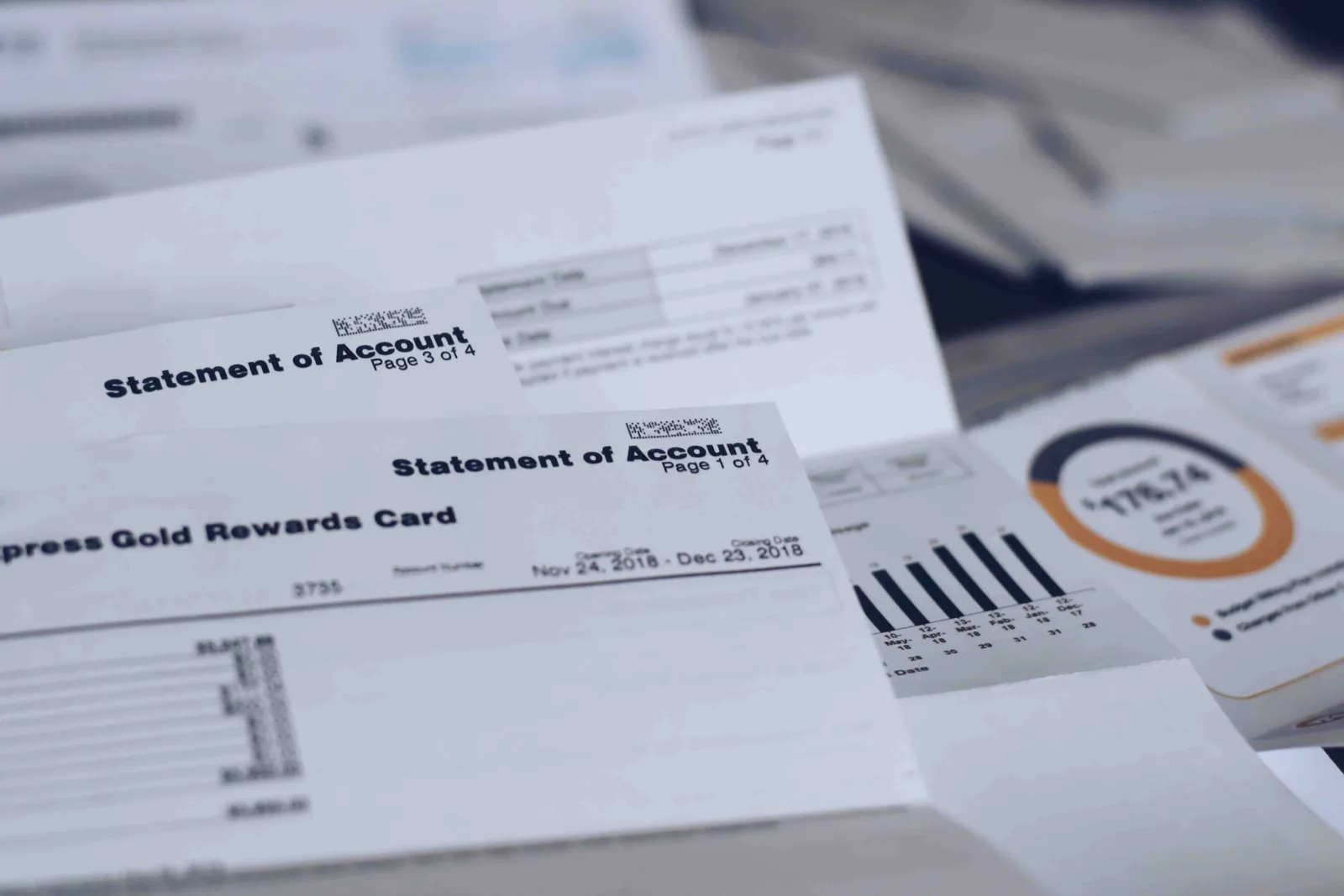
A cropped screenshot may leave out the account name or dates the lender needs. Start with the checklist below. If you’re asked to authorise digital access to account data, check the service and what you’re agreeing to share. Never email banking passwords or security codes.
Check the files before uploading
- Download the original statements from your bank and include every page.
- Check the account name, account number and dates are visible, and that the files cover the full period requested.
- If there is a gap after the last statement, ask whether a current transaction listing will cover it.
- Keep the files unaltered. Don’t black out transactions. If you have a privacy concern, raise it with us before sending them.
- Use the secure upload method we provide, and tell us if a file is missing or unreadable.
What looks bad on your bank statements?
A lender may ask about gambling transactions, dishonoured payments, an overdrawn account, buy now pay later repayments or debts that were not disclosed. Explain the transaction and provide any records that show what happened. One transaction doesn’t decide an application on its own. The lender looks at the full picture.
Keep repayments up to date, correct errors in your records and explain unusual costs. If you missed a payment, tell us when, why and whether it’s been fixed. How the lender responds depends on the circumstances.
For example, a large transfer between your own accounts can be explained by the matching entry on the other account. If an employer repaid a work expense, the expense claim and reimbursement record help explain the debit and credit. Keep the records that show what happened, rather than asking the lender to infer it from a short transaction description.
Update your budget for costs that will continue after purchase, including annual bills. A short period of unusually low spending isn't a substitute for an affordable ongoing plan.
Get one list of the documents you need
Tell us whether you’re buying or refinancing and which statements you already have. We’ll check what’s missing and send you one list of what to upload.
or call 1300 088 065
Use our secure upload link when sending documents.
Common questions
Experience and sources
Sources and further reading
The 3-month starting point and refinance examples are based on the lender documents linked below. Requirements vary by purpose and lender. For business statements, ask the lender for its document checklist before applying.

Sources
General information only. Your loan options depend on your circumstances and the lender’s assessment. Get legal or tax advice where relevant to your decision.