


Before you start making offers, work out what you can comfortably repay, how much cash you need and what needs checking before you sign. Those three decisions can save you a lot of trouble.
I've made some of these mistakes myself, including borrowing more than I could manage when rates rose. I've grouped the 30 mistakes below in the order you'll face them: your budget, the loan, finding a home, making an offer and the final checks.
Start with a budget you can live with
1. Borrowing more than you can comfortably repay
The bank's maximum loan is a starting point for a discussion, not a spending target. I learnt that the hard way.
Waaaaayyy back in 2009 I was on my way to becoming a property mogul (in my own head). I had bought my second property, a small unit on Newton Street in Alexandria which I was planning on renovating and flipping for a massive profit, or so I thought...
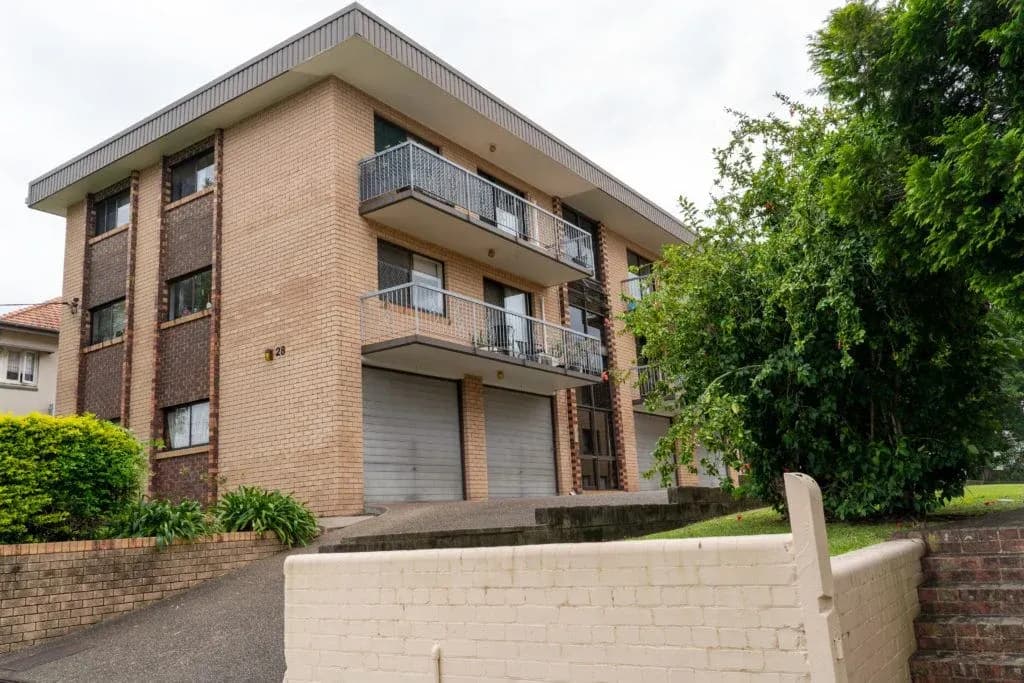
It was around this time that the Reserve Bank started increasing interest rates. In six months, my interest rate went from a barely manageable 6% to 7.50%. My monthly interest repayments went from $3,500 to $4,375. I needed another $875 a month, and I didn't have it.
I was earning around $70,000 at the time and had over $700,000 in debt. I used borrowed money and cash advances on my credit card to keep up with repayments. Ultimately, I had to sell my second property quickly to stop getting further into debt. I made zero profit and risked losing my other property as well.
Before choosing a price range, test your repayments at a higher rate and on less income. Then allow for the property's bills and money you want to keep saving. If the budget only works when everything goes right, bring the price down.
2. Setting a budget, then stretching it at every inspection
It is easy to add another $10,000 when you find a home you like. Decide your walk-away price before negotiating, while you can still think clearly.
At 6% over 30 years, borrowing another $50,000 adds about $300 a month to principal-and-interest repayments. If that rate stayed the same for the whole term, you'd repay about $107,919: the $50,000 borrowed plus $57,919 interest. This example excludes fees.
Write down the monthly repayment you're comfortable with and the cash you want left after settlement. Use both numbers when setting your limit.
3. Assuming you must save a 20% deposit
A 20% deposit can reduce your loan and help avoid lenders mortgage insurance. But it isn't the only way to buy. Eligible buyers can use the Australian Government 5% Deposit Scheme through a participating lender without paying LMI. Buyer, property, price-cap and loan conditions apply.
On an $800,000 purchase, 20% is $160,000 and 5% is $40,000, before buying costs. The smaller deposit means a bigger loan, so compare repayments as well as the time it would take to save.
The government guarantees part of the lender's loan. It doesn't give you the missing deposit or reduce the debt you owe. Check our 5% Deposit Scheme guide for the current requirements. A family-guarantor or other no-deposit pathway is a separate option with different conditions and risks.
4. Leaving lenders mortgage insurance out of the numbers
Lenders mortgage insurance, or LMI, protects the lender if you default and the property sale doesn't cover the debt. It is separate from insurance for the home. It commonly applies above 80% loan-to-value ratio, meaning you borrow more than 80% of the value the lender accepts, unless an exemption applies.
Ask for an actual premium quote with each loan option. Check whether you can add it to the loan, whether that takes you over the lender's limit and how it changes your repayments. If you borrow the premium, you also pay interest on it.
A slightly larger deposit can change the premium. So can an eligible government scheme or occupation-based LMI waiver. Compare the total cost of the options you qualify for, rather than choosing a loan just because one fee disappears. Our LMI guide explains the cost in more detail.
5. Treating the deposit as the whole amount you need
The deposit is only part of the cash you need. For a $555,000 home, a 10% contribution is $55,500. That leaves a $499,500 loan before any fees you borrow. Buying costs and money for emergencies still need their own place in the budget.
| Cost | What to check |
|---|---|
| Transfer duty and government fees | Have your solicitor check your concession eligibility and quote the current transfer and registration fees. |
| Loan fees and LMI | Get the proposed lender's figures, including any amount added to the loan. |
| Legal work and searches | Ask a Queensland solicitor or law practice what is included in the quote. |
| Building, pest and other inspections | Budget for the checks this property needs, including specialist reports if recommended. |
| Settlement adjustments | Allow for your share of rates, water and body corporate charges where applicable. |
| Insurance, moving and connections | Check the insurance start date and allow for getting into the home. |
| Cash left after settlement | Keep an emergency allowance instead of putting every dollar into the purchase. |
Costs to allow for beyond your contribution to the purchase price
Transfer duty and government fees
- What to check
- Have your solicitor check your concession eligibility and quote the current transfer and registration fees.
Loan fees and LMI
- What to check
- Get the proposed lender's figures, including any amount added to the loan.
Legal work and searches
- What to check
- Ask a Queensland solicitor or law practice what is included in the quote.
Building, pest and other inspections
- What to check
- Budget for the checks this property needs, including specialist reports if recommended.
Settlement adjustments
- What to check
- Allow for your share of rates, water and body corporate charges where applicable.
Insurance, moving and connections
- What to check
- Check the insurance start date and allow for getting into the home.
Cash left after settlement
- What to check
- Keep an emergency allowance instead of putting every dollar into the purchase.
Use the Queensland stamp duty calculator as an estimate, then confirm the duty with your solicitor. Our buying-cost guide covers the other expenses.
The contract deposit paid to secure the purchase forms part of the price. It isn't an extra charge on top of it. But it can be due well before settlement, so confirm its amount and due date before signing.
6. Waiting for savings history you may not need
Lenders differ on what counts as genuine savings. Some need evidence that you've held or built up part of the deposit over time. Others can consider a gift, other accepted funds or rental history, depending on the loan.
Before waiting another three months, show your broker where the money came from and when it arrived. Bring your savings statements, rental ledger and details of any family gift. Rent may help with a lender's savings test, but it doesn't become cash for your deposit.
See genuine savings explained. If some of your deposit will come through the First Home Super Saver scheme, check the ATO withdrawal steps and timing before relying on that money for a payment.
7. Buying because someone says rent is dead money
Rent pays for somewhere to live. Whether buying makes sense depends on the home, your plans and the full cost of owning it. Pressure from family or friends isn't a good reason to take on repayments you can't manage.
Here is a cash-flow example using $400 a week in rent and an $800,000 loan at 6% over 30 years. These are assumptions, not current quotes for equivalent Brisbane homes. The loan repayments include principal and interest.
| Item | Annual amount |
|---|---|
| Rent at $400 a week | $20,800 |
| Repayments on an $800,000 loan at 6% for 30 years | About $57,557 |
| Assumed ownership costs, such as rates, insurance and repairs | $5,000 |
| Total buying cash outflow in this example | About $62,557 |
| Extra cash needed compared with the assumed rent | About $41,757 |
Illustrative annual cash paid when renting or buying
Rent at $400 a week
- Annual amount
- $20,800
Repayments on an $800,000 loan at 6% for 30 years
- Annual amount
- About $57,557
Assumed ownership costs, such as rates, insurance and repairs
- Annual amount
- $5,000
Total buying cash outflow in this example
- Annual amount
- About $62,557
Extra cash needed compared with the assumed rent
- Annual amount
- About $41,757
That $41,757 is a cash-flow difference, not a measure of which option makes you wealthier. Part of each loan repayment pays down debt. The comparison also leaves out buying and selling costs, changes in property value, returns on your deposit and changes in rent or rates.
Run the comparison using homes you would actually rent and buy. Waiting can be sensible if it gives you breathing room. Buying may suit you if the repayments work and you expect to stay long enough to justify the costs.
Get the finance checked before you commit
8. Taking the first loan offered
Your everyday bank is worth considering, but compare it with other suitable lenders. Look at the rate, fees, features and how each lender treats your income and deposit.
A broker can compare lenders on their panel, explain why a loan suits your situation and check the application requirements. Ask which alternatives they considered and how they're paid. At Hunter Galloway, that comparison includes the cash needed to buy and the repayments afterwards, not just the advertised rate.
9. Ignoring your credit report until you apply
Check your credit report early for missed payments, defaults, unfamiliar accounts and errors. You can request a free copy every three months from the credit reporting bodies. Moneysmart explains how to get it.
If something is wrong, request a correction and keep the evidence. If the record is accurate, tell your broker before applying so they can check how the proposed lender treats it.
There is no single credit-score number that guarantees a home loan. Your income, expenses, debts, deposit and the property also matter. Avoid lodging several applications just to see which lender says yes.
10. Making an offer before the lender has checked your finances
Ask for a fully assessed pre-approval before serious house hunting. Check what the lender has actually reviewed, the conditions still outstanding and when it expires. A quick online estimate may not include a review of your documents.
Ask whether a pre-approval application will record a credit enquiry, and avoid unnecessary duplicate applications. Once you find a property, the lender still needs to accept it and complete the remaining approval checks. Tell your broker before making an offer so the finance dates can be checked with your solicitor.
11. Treating a calculator result as money you can borrow
Use a repayment calculator to see how a loan amount, rate and term change the monthly payment. A borrowing-power calculator answers a different question and relies on the income, expenses and lender assumptions entered.
Ask your broker to assess your actual payslips, debts and spending before setting a price limit. Overtime, bonuses, HELP repayments, credit-card limits and dependants can all affect the result. Keep the lender's loan figure separate from the purchase price: your deposit must also cover any costs that aren't financed.
12. Changing jobs without checking the loan consequences
A better job can still complicate a loan if the lender now needs different income evidence. A move to casual work, contracting, self-employment or a new probation period may change which lenders can help.
Tell your broker about a planned change before applying and before settlement. Bring the new contract and details of your work history. You may have options without waiting, but the answer depends on the lender and income type. Read our guide to buying after starting a new job.
13. Choosing loan features you will not use
Start with how you manage money and how much repayment certainty you want. A fixed rate gives certainty about the rate for an agreed period, but early changes can bring break costs and extra-repayment limits. Variable rates can change, and features differ between products.
An offset account reduces the loan balance used to calculate interest. A constant $10,000 in a full offset against a loan at 6% would save roughly $600 in interest over a year, before any extra fees or rate premium for that product. Compare those costs with the balance you expect to keep.
Principal-and-interest repayments gradually reduce your loan. Interest-only repayments don't reduce it during that period, and repayments can rise when principal payments start over the remaining term. Ask for both the initial and later repayment figures. Our home loan features guide explains the trade-offs.
14. Applying again without finding out why the loan was declined
Ask for the reason before making another application. An income issue needs a different response from an unacceptable property, a deposit shortfall or an error on your credit report.
Your broker can check whether another lender's rules fit, whether more evidence would help, or whether you need a lower budget or more time. Review credit-card limits as well as balances: an unused limit can still affect borrowing capacity.
Keep accurate records of your debts and spending. Moving transactions between accounts doesn't make an expense disappear. If you have already signed a contract, tell your solicitor about the finance issue before the deadline. See what to do after a home loan decline.
Find a home that fits your life and price range
15. Expecting your first home to do everything
You might want the extra bedroom, a big yard and a short walk to the train. You may not be able to buy all three within your budget. Split your list into things you need and things you would like.
Choose a home that works for the years you reasonably expect to live there. Don't stretch the loan on the assumption that it must be your forever home. Equally, buying something you'll need to sell almost immediately can make the purchase costs hard to justify.
16. Planning around life staying exactly the same
Talk about likely changes before choosing the home and loan. Parental leave, childcare, a career change, caring for family or working from home can affect both the space you need and the income available.
Run the budget on the lower income you expect during a planned break, including the extra expenses. An unconfirmed pay rise shouldn't be what makes the loan affordable. Our first home buyer guide helps turn those plans into a buying brief.
17. Champagne taste, beer budget: searching only in your dream suburb
When I bought my first home, I quickly learnt how tempting the homes above my budget were. Looking at them every weekend didn't make them more affordable.
Try nearby areas and different property types, then compare actual recent sales. If you like Paddington, you might also investigate Red Hill or Kelvin Grove. That doesn't mean either is cheaper for the home you want. Compare similar homes, the commute, flood information and ongoing costs.
A suburb median is the middle sale price in the period measured. The mean is the average, which can be pulled up by a few very expensive sales. Neither tells you what a particular home is worth. Check the date and whether the figure covers houses or units.
Use our Brisbane suburb map to broaden the search, then check listings and sold results for homes that match your brief.
18. Ignoring who would rent or buy it after you
You are buying somewhere to live, but your plans can change. Think about who else would want the property if you needed to move.
Look at the layout, access, parking, nearby services and the cost of maintaining it. For a unit, review the body corporate records, levies, planned work and any major defects with your solicitor and appropriate specialists. A low advertised purchase price can come with large ongoing bills.
If you may rent it out later, get a local rental appraisal and check the loan, insurance, tax and first-home concession consequences before changing its use. Don't rely on future rent or price growth to make today's purchase affordable.
19. Waiting for a forecast to tell you when to buy
Everyone has an opinion about where Brisbane prices are heading. A forecast can't tell you whether this home suits your budget or how long you will keep it.
Watch recent local sales, how long comparable homes take to sell and the competition at inspections. Those details can help with an offer. They don't remove the risk of prices falling.
Buy when the home, repayments and cash buffer work for you. Waiting is reasonable if your job, finances or plans are unsettled. The Herron Todd White market review can add context, but keep it separate from your own affordability decision.
Make the offer with your limit already decided
20. Forgetting the selling agent works for the seller
A friendly agent can be helpful and still be doing their job for the seller. Ask about the property's history, time on the market and the seller's preferred settlement date. Keep your maximum borrowing limit and walk-away price to yourself.
Ask what evidence of finance the seller needs, then discuss an appropriate response with your broker and solicitor. You don't need to volunteer your whole financial position. Read our guide to dealing with selling agents.
21. Using the asking price as proof of value
An asking price tells you what the seller is seeking. Build your own range from recent sales of similar homes: property type, land size, condition, street and location all matter.
Visit competing listings and record what they actually sell for. If a renovated home sold for more, allow for the cost and trouble of bringing the unrenovated one up to the same standard. Your maximum affordable price and your estimate of fair value are separate limits; stay within both.
22. Negotiating only on price
Find out what matters to the seller, such as the settlement date or time to move. A term you can comfortably accommodate may make your offer more useful without increasing the price. Have your solicitor check it before agreeing.
Even a modest price reduction can help. Borrowing $10,000 less saves about $60 a month at 6% over 30 years. If the rate stayed constant, that is about $21,584 less repaid, including the $10,000 principal and about $11,584 interest. Fees are excluded.
Don't give up a finance or inspection condition just to make an offer look stronger. Work through the consequences with your solicitor and broker. Our making-an-offer guide covers the process.
23. Assuming a low bank valuation ends the purchase
A lower valuation can mean the bank will lend less than you expected. If you agree to pay $800,000 but the lender accepts a value of $760,000, an 80% loan falls from $640,000 to $608,000. You need another $32,000 towards the price, before other costs.
First, have your broker confirm the shortfall and whether there is evidence for a valuation review. They can also check another suitable lender. You might discuss a lower price with the seller through your solicitor or agent. Each option takes time and may not resolve the gap.
A small or unusual property can also fall outside a lender's security rules, which is a separate issue from its valuation. Check this before committing. If a deadline is approaching, involve your solicitor now. See how to challenge a bank valuation.
24. Buying something unsuitable because you are fed up
When my (now) wife and I moved back to Brisbane from Sydney, we were desperate to buy. I had spent months researching properties from afar, but once we arrived, the pressure hit hard. We were staying with my in-laws, and suddenly it felt like there was a gun to my head to buy anything. Honestly, if someone had offered me a tin shed behind a rubbish tip, I probably would've taken it. I was at full panic stations.
Missing out wears you down. If you catch yourself dropping every requirement just to finish the search, take a short break and look at your brief again.
A buyer's agent may help with searching or negotiating if you need that support. Check the services, fee and conflicts of interest before hiring one. The fee needs to fit your purchase budget. Our Brisbane buyer's agent guide explains what to compare.
25. Leaving every decision until the right property appears
You can prepare without rushing. Decide the suburbs, property features, price limit and deal-breakers before you inspect. Have your finance documents ready and a solicitor you can contact.
Then, when a home fits, you can arrange the remaining checks and decide on an offer. Use our Buyer Brief Worksheet to keep your criteria and limit in one place.
26. Judging a home from the photos or one quick viewing
Inspect competing homes so you have something to compare. At each one, look past the furniture. Check room sizes, storage, light, ventilation, access and signs of damp or damage.
If you are seriously interested, visit the street at another time and try the commute. Notice traffic, noise and parking. These visits help you decide whether you want to live there; they don't replace a professional building and pest inspection.
Do the checks before signing or bidding
27. Cutting the inspection budget
On five separate occasions, building and pest reports have saved me from buying properties that were essentially money pits. One year, I spent over $2,000 on reports. It felt like a huge expense, but it saved me from buying a property that would have cost over $9,000 in repairs.
Choose an independent inspector and check that they hold the right licence for the work. Ask what the inspection covers, what it excludes and whether further specialist checks are needed. Discuss any defects and repair estimates with your solicitor before the contract deadline.
Brisbane buyers should also check flood information and planning. Use the council's Flood Awareness Map and FloodWise reports and Development.i for property and application information. Your solicitor can advise which formal searches are needed.
Our FloodWise guide explains the report. If defects turn up, read renegotiating after a building inspection and get advice about your rights under the actual contract.
28. Assuming a standard contract already protects you
Send the contract to your Queensland solicitor before signing. A finance or building-and-pest condition needs to be included and completed correctly, with deadlines you can meet. Don't assume it applies just because the form has a space for it.
Have the solicitor check the buyers' names, deposit payments, settlement date, inclusions, special conditions and any changes made by the seller. Ask what you must do if finance or an inspection causes a problem. Changing names or ownership arrangements later can have legal, duty and lending consequences.
Since 1 August 2025, Queensland's seller disclosure scheme generally requires a disclosure statement and prescribed certificates before the buyer signs, with exceptions. Have your solicitor check the documents. They don't replace your own checks: the disclosure statement does not have to include flooding history, structural soundness or previous building approvals.
Your broker can check finance timing with the solicitor. The solicitor advises on the contract and your rights. Our guide to Queensland conveyancing explains who does the legal work.
29. Bidding at auction before the checks are finished
There is no cooling-off period for a Queensland auction purchase. Auction contracts are generally unconditional, so don't expect to add a finance or building-and-pest condition after you win.
Before bidding, have your solicitor review the contract and disclosure documents, complete the inspections and confirm the deposit payment arrangements. Ask your broker what remains outstanding on finance, including the lender's acceptance of the property and valuation. Pre-approval alone doesn't settle those questions.
I applied for three different homes before I found mine, and each had issues in the building and pest report. Because of those issues, I didn't go ahead. Do that work before auction day, while you can still decide not to bid.
Set your bidding limit in advance and take someone who will help you stick to it. Read our auction guide and auction checklist before the day.
30. Waiting until settlement to arrange insurance
In Queensland, responsibility for the property commonly passes at 5pm on the next business day after the contract date. Confirm your contract's timing with your solicitor and arrange appropriate cover before then.
Get an insurance quote while checking the property, particularly where flood cover or other risks could make it expensive. For a unit or townhouse, check what the body corporate insures and what cover you need separately.
What should you do next?
If you're still saving, start with the repayment budget and total cash needed. Then check which deposit options you qualify for. Our deposit-saving guide and first-home grants guide can help with that plan.
If you're ready to look, gather payslips, savings statements, loan and credit-card details, living expenses and any rental ledger. For casual, contract or self-employed income, ask which extra records the proposed lender needs. Get the finance assessed before choosing a price range.
Already found a home? Send your broker the address, price and proposed finance deadline, and send the contract to your solicitor. We can compare suitable lenders, check the cash needed and explain what is still outstanding before you commit.
First home buyer questions
Experience and sources
Sources and calculation notes
The personal experiences and client examples in this guide describe individual circumstances. They don't predict another buyer's result. The repayment and rent comparisons are illustrations using the assumptions shown, not current loan or property quotes.
Repayment examples use monthly principal-and-interest payments over 30 years at a constant 6% annual rate and exclude fees. The rent comparison assumes $400 a week and $5,000 a year in ownership costs. Actual rates, rent and expenses will differ.
Sources
- Moneysmart: Buying a house
- Moneysmart: Choosing a home loan
- Moneysmart: Credit scores and credit reports
- Housing Australia: Australian Government 5% Deposit Scheme
- Queensland Government: Seller disclosure scheme
- Queensland Government: Home and contents insurance
- Queensland Government: Buying and selling property guide
- QBCC: Before you buy and sell
Confirm loan and scheme requirements for your circumstances. Your Queensland solicitor should advise on contract terms, duty and legal deadlines.
More help with your first home
- Guide
First home buyer guide
Follow the full buying process.
Read guide - Calculator
Deposit calculator
Estimate the cash needed to buy.
Open calculator - Calculator
Mortgage repayment calculator
Test a loan at different rates.
Open calculator - Guide
Save a deposit through FHSS
Understand the withdrawal steps before relying on the money.
Read guide - Guide
First home buyer myths
Check assumptions about your first purchase.
Read guide - Guide
Organise your bank accounts
Separate bills, savings and everyday spending.
Read guide
Check your buying budget before you make an offer
Tell us your income, savings, debts and the price range you're considering. We'll compare suitable loan options and work through the cash and repayments needed.
or call 1300 088 065
Hunter Galloway Finance Pty Ltd is Credit Representative 476903, authorised under Australian Credit Licence 389328 (Connective Credit Services Pty Ltd).