Equity Calculator: How To Find The Equity In Your Home
Loan approval rate of 97%*
Variety of options due to direct access to 30+ Australian banks & lenders
Highest-rated Mortgage Broker in Brisbane — 2,500+ Google reviews
Free for you, and you won't pay more — the lender pays us
35+Years of
experience
Based on
2,500+ reviews
Mortgage Broker of the Year in 2017, 2018, 2019 and 2024
Access to 30+ banks and lenders in Australia
Thousands of families helped into their homes
*Based on all applications processed through Hunter Galloway, 2024–2026.
Are you wondering how to find the equity in your home? Want to know how much of your home’s value you can actually use? With our equity calculator and real examples, you’ll learn exactly how much you could unlock and how lenders determine your borrowing power.
This guide breaks down usable equity — the part of your property’s value that lenders let you access — and explains how to calculate it step-by-step.
Let’s dive in.
Disclaimer: This calculator is to
be used as a guide to help you better understand
your options. We have not assessed what options are
suitable for your needs or if you meet other
lending criteria that would allow you to access
your equity. Any repayments quoted above are
calculated using your current home loan balance
over a term of 30 years. We strongly recommend that
you make additional repayments and pay your loan
off sooner. If you borrow over 80% of the property
value then you may pay an LMI premium
How Much Equity Is In My House - The Basics
Equity is simply your personal interest in a property. It increases over time as you pay down your home loan or when your property value increases.
In other words, equity is the value of your property—calculated as the value of the property minus your home loan.
Here is a quick example…
Let’s say you bought a home for $500,000 and put down a $100,000 deposit, meaning your home loan is $400,000…
Purchase Value (today): $500,000
Home Loan (today): $400,000
Equity (today): $100,000
Your equity is the part you contributed, so even though the property is worth $500,000, your equity is only $100,000 ($500k value -$400k loan).
The exciting part comes if the home’s value increases! Let’s say 5 years after you bought it, the value increased to $700,000, and you had also paid down the loan to $350,000…
Purchase Value (+5 years): $700,000
Home Loan (+5 years): $350,000
Equity (+5 years): $750,000 – $350,000 = $350,000
Your equity has grown to $350,000, and the LVR of your loan has been reduced to 50%!
How Much Equity Can I Use? (What Is Usable Equity)
When you build up value in your home, that value is called equity. But not all of it is available to borrow — that’s where usable equity comes in.
Usable equity is the portion of your home’s value your lender will let you access while keeping enough buffer to protect against market fluctuations. In simple terms, it’s the amount you can borrow against your home without exceeding your lender’s loan-to-value ratio (LVR) limit.
Here’s the formula: Usable Equity = (Property Value × Lender’s Maximum LVR) – Current Loan Balance
Example:
Let’s say your property is valued at $800,000, and your current loan balance is $500,000. If your lender allows borrowing up to 80% LVR, your calculation would look like this:
That means you could potentially access $140,000 to use for renovations, investing, or buying another property — depending on your income and financial profile.
Why Lenders Limit How Much Equity You Can Access
Banks and lenders limit usable equity to protect both you and themselves from financial risk.
If property prices fall, you’ll still have a safety buffer between your loan amount and your property’s market value.
According to the Reserve Bank of Australia (RBA), property values can fluctuate by up to 10–15% during market cycles, which is why most lenders cap equity access at 80%.
Lenders Mortgage Insurance (LMI) may apply if you borrow above that threshold, which increases your costs.
By setting this limit, banks ensure you don’t become overexposed to debt if the market shifts.
Key Takeaways
Total equity is your property’s value minus what you owe.
Usable equity is what you can actually borrow — typically up to 80% of the property’s value.
Lenders cap usable equity for risk management and market stability.
You can increase usable equity by paying down your loan or improving your property’s value.
Tip: If your home has grown in value or you’ve paid off a significant chunk of your loan, you may have more usable equity than you think. It’s worth asking your lender or mortgage broker (like Hunter Galloway) for an updated valuation to see how much equity you can unlock safely.
Worked Examples: How Much Usable Equity Do You Have?
Property Value
Current Loan Balance
Total Equity
Usable Equity (80%)
Usable Equity (90%)
$600,000
$300,000
$300,000
$180,000
$240,000
$800,000
$500,000
$300,000
$140,000
$220,000
$1,000,000
$600,000
$400,000
$200,000
$300,000
$1,200,000
$750,000
$450,000
$210,000
$330,000
$1,500,000
$900,000
$600,000
$300,000
$450,000
Why Does Equity Matter?
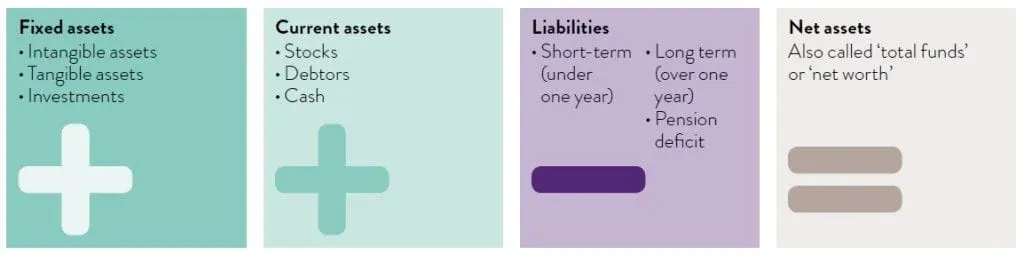
You should consider equity as an asset that forms part of your net worth.
How Lenders Decide How Much Equity You Can Access
Not all lenders calculate equity the same way. Even if your property has one market value, each bank may assess it differently — and that can significantly affect how much equity you can actually access.
Bank Valuation vs Market Valuation
Banks use independent valuers to estimate your property’s value, and they often come in lower than what a real estate agent might suggest. That’s because banks focus on the property’s saleable value — how much it would sell for quickly if the lender had to repossess and sell it. According to CoreLogic, lender valuations can be 5–15% lower than open-market estimates, depending on market conditions and property type.
In short:
Market valuation reflects what buyers might pay today.
Bank valuation reflects what the bank could safely recover in a downturn.
This conservative approach helps lenders manage risk, but it can limit your usable equity.
Understanding Loan-to-Value Ratio (LVR)
The LVR shows how much you owe on your mortgage compared to your property’s value. It’s a major factor in deciding how much equity you can release.
Here’s how most lenders set their limits:
Loan Purpose
Typical Maximum LVR
Usable Equity Access
Owner-occupied home
Up to 95%
Highest potential, but often requires LMI
Investment property
Up to 90%
May attract tighter assessment and higher rates
Refinancing / Cash-out
Up to 80%
Common cap for equity release without LMI
So, if your LVR exceeds these limits, you may need to reduce your loan balance or wait until your property value increases before accessing more equity.
Other Factors Lenders Consider
Beyond valuation and LVR, lenders also assess:
Your income and expenses: They want to ensure you can afford higher repayments.
Your credit score: A strong repayment history boosts your approval chances.
Property type and location: Unique, rural, or high-density properties may be valued more conservatively.
Lenders combine these factors to determine how much usable equity you can safely access.
Expert Tip: Get Multiple Valuations
Two banks can value the same home differently by tens of thousands. Requesting multiple valuations through different lenders or brokers can help you find the most favourable assessment — and potentially unlock more usable equity without changing your financial situation.
Seven Ways To Build Your Home Equity
As the example above showed, increasing your home equity is AWESOME.
Get another bank valuation. It’s worth getting a second (or sometimes third) opinion on your property’s value. We have seen up to $130,000 differences between different bank valuations.
Put down a bigger deposit. While it isn’t always possible, putting down a large deposit automatically gives you more equity and potentially lowers your loan repayments!
Get a shorter loan term. This little gem can help give you some forced savings. By reducing your loan term, loan repayments will be higher, and you will build equity much faster.
Fix up your property. It’s incredible how much of a difference a coat of paint can make to the value of your property! You can aim for basic renovations like painting or bigger ones like adding extra rooms.
Pay more on your repayments. Making extra repayments without shortening your loan term has the same effect of paying your loan down quicker, reducing the mortgage balance and increasing your equity!
Use bonuses and tax refunds. When you cannot change the loan term or need more spare cash to increase your repayments, you can use your annual tax refunds or bonuses to pay down the loan quicker.
Use one partner’s income. If you’ve bought a property with your husband/wife/partner, you can try living off just one person’s income and put all of the second person’s income towards paying down your loan!
Once you’ve built up equity, there are several smart ways to access it — depending on your goals and financial situation. The method you choose can affect your interest rate, fees, and long-term repayments, so it’s worth understanding the main options before you decide.
1. Cash-Out Refinance
A cash-out refinance replaces your existing home loan with a new, larger one. The difference between the two amounts is paid out to you in cash.
This option works best for major expenses or investments, such as buying another property, consolidating debt, or funding a large renovation. Because it’s structured as a new home loan, you can usually get lower rates than personal or car loans.
However, you’ll need to cover new setup and refinancing costs, including potential valuation and discharge fees.
2. Home Equity Loan (Top-Up)
A top-up loan lets you keep your existing mortgage and simply borrow more against your property’s equity. The new loan is added to your current mortgage under the same lender.
It’s ideal for smaller projects — like home improvements, education costs, or vehicle purchases. Approval is often faster since you’re staying with your current lender.
But remember, you’re increasing your total loan balance, so monthly repayments will rise unless you extend the loan term.
3. Line of Credit
A line of credit works like a credit card secured by your property. You can withdraw funds up to a set limit whenever you need them and only pay interest on what you use.
This option offers maximum flexibility for ongoing or unpredictable expenses — such as investment opportunities or business cash flow.
However, the convenience comes at a cost. Interest rates are usually higher than standard home loans, and you’ll need discipline to avoid overspending since repayments are often interest-only.
Comparison: Home Equity Access Options
Option
Best For
Key Pros
Cons
Cash-out refinance
Large expenses or investments
Lower home loan rate
New loan setup fees and full refinancing process
Top-up loan
Smaller goals like renovations or education
Fast approval and easy with current lender
Adds to existing repayments and total debt
Line of credit
Ongoing or flexible access needs
High flexibility, interest only on funds used
Higher rate, strong discipline required
Each option has its place — it’s about matching the right structure to your financial goals. If you’re unsure which method suits your situation, our Hunter Galloway brokers can compare options from multiple lenders and help you unlock equity the smart way.
What Can I Use Equity For?
Your mortgage serves as a security for a home equity loan. In some instances, you have the choice to use as much as you want.
This loan type has become very popular in the past few years as it offers flexibility to borrowers. Homeowners now have access to relatively cheap and competitive loan packages too.
Using the equity you have in your current home loan, you will be able to:
Purchase another property. It’s unlikely that your current home will be your forever home. The good news is if you move or you sell your current home, you can use your current equity towards the new purchase.
Renovate your house. It is possible to borrow against the equity in your home and use it to fix up your house.
Buy a boat or a car. Home loan interest rates are much cheaper than personal and car loans. If it makes financial sense, you could use your equity to buy a boat or a car.
Do heaps of other stuff. You have options if you have home equity, from paying for your wedding expenses to investing in the stock market!
Increase your equity further. Even better than using your equity, you could build it more by following the steps in the previous section.
Home improvements like adding an extra room or even painting a new wall are good uses of equity.
Why Is Equity Different On My Home Compared To An Investment Property?
Ok, let’s go back to that earlier example. Five years after you bought the property.
Property Value: $700,000
Home Loan: $350,000
Equity: $350,000
LVR: 50%
Banks look at equity differently depending on what your intended purpose is. If it’s an investment, they will not let you release as much equity as they would if you were using the funds to purchase or improve a property to live in (also called owner-occupied).
Many banks only go to 90% LVR in both circumstances, but some will extend to 95% LVR for owner-occupied purposes.
Practically what this means is you might have access to $35,000 less in new equity lending:
Equity Available as Owner Occupied
$700,000 @ 95% = Maximum Loan $665,000.
$665,000 minus existing loan of $350,000
New lending available from equity is $315,000
Equity Available as Investor
$700,000 @ 90% = Maximum Loan $630,000
$630,000 minus existing loan of $350,000
New lending available from equity is $280,000
A common mistake people make when calculating equity here is they assume they can take the entire equity figure out – I.e. being $350,000. But the banks will dial this back to fit within their maximum LVR criteria.
Need help calculating your home equity? Give our expert Mortgage Brokers a call on 1300 088 065 or contact us online, and we’ll give you a call.
What Banks Have The Best Equity Loan?
This is where a lot of people get caught out.
Banks have specially designed ‘Equity Release’ and ‘Line of Credit’ products to get people to withdraw equity.
The only problem is the interest rates are usually 1-2% HIGHER.
The good news is that several banks have a cash-out policy in place, which will give you a bit more flexibility around withdrawing equity.
Some banks will let you increase your loan by $100,000 without needing evidence of what the funds are used for.
However, they will just want to ensure you aren’t taking the money out and spending it at the casino.
The majority of banks limit the amount of equity you can withdraw from your house, or will need to see evidence of how you are going to spend it to make sure the funds don’t end up being spent irresponsibly at places like the casino!
Is an Equity Loan the right choice?
An equity loan allows you to borrow against the equity in your house.
Unless you need an evergreen line of credit facility and want to pay 1-2% more than a standard investment home loan, it doesn’t usually make sense to get a Line of Credit (equity loan).
Taking out an equity loan is only advised if you have the discipline to manage your expenses properly. So many people spend the entire amount on lifestyle expenses but do not devise a plan to pay it back.
Some banks offer an Evergreen Line of Credit product - in other words, the interest only period does not expire.
You can release cash of up to 80% of your property value. Some banks allow you to use the cash up to 90% of the property price, but for that, you should pay a one-off lender’s mortgage insurance premium.
Our Favourite Home Equity Strategy
In this section, we’ll reveal some of our favourite “quick & dirty” home equity strategies.
Withdrawing home equity without an expensive Line of Credit…
Some banks charge MASSIVE premiums to use their Equity Line of Credit Products. So how do you avoid paying an extra 1-2%?
The cash-out method.
The cash-out method allows you to withdraw equity using lower home loan interest rates. You could save THOUSANDS in interest costs.
The cash out method can save you thousands in interest!
Some lenders will restrict the cash-out method to $10,000 – while others have UNLIMITED cash-out options available.
The restrictive lenders might ask for a letter from your accountant, financial planner or even invoices to confirm what you’re spending the money on.
To determine if you qualify for the cash-out method, chat to our brokers about your situation on 1300 088 065 or complete a free assessment.
Home Equity FAQs
What’s the difference between total equity and usable equity?
Total equity is the difference between your property’s current market value and your remaining loan balance. Usable equity is the portion of that total equity your lender will actually allow you to borrow against — usually up to 80% (or 90% with Lenders Mortgage Insurance).
Why is my bank’s property valuation lower than what I expected?
Banks use conservative valuations to reduce their lending risk. Unlike real estate agents who estimate potential selling prices, banks focus on quick-sale value — what they could recover if they needed to sell your property fast. This means the valuation is often lower than the market estimate.
How can I increase my usable equity quickly?
You can boost usable equity by paying down your home loan faster or improving your property’s value through renovations or upgrades. Another option is to request a revaluation if property prices have risen or to refinance with a lender offering a more favourable valuation.
How much of my equity can I access?
Most lenders allow you to access up to 80% of your home’s value, minus your outstanding loan amount. Some may go higher (up to 90%) if you pay Lenders Mortgage Insurance (LMI). The accessible amount depends on your credit profile, income, and repayment capacity.
What factors affect whether I can access my equity?
Lenders consider your property’s value, mortgage balance, income, credit score, and debt-to-income ratio. They also assess your loan-to-value ratio (LVR) — the higher your LVR, the less equity you can safely release. Consistent repayment history can also improve approval chances.
What are the risks when borrowing against equity?
Borrowing against equity increases your debt, which means higher repayments and interest over time. If property prices fall or your income drops, you could end up owing more than your property’s worth. It’s best to use equity for long-term growth — not short-term spending.
How much equity will I have in 5 years?
Let’s say your home is worth $800,000 and your current mortgage is $500,000 — giving you $300,000 in total equity. If your property grows 4% per year, it could be worth around $973,000 in five years. Assuming you reduce your loan to $500,000 → $450,000 over that period, your total equity could grow to about $523,000.
Should I Use My Home Equity?
Your equity-building strategy or choosing to use your home equity will come down to your individual situation and circumstance.
If you are looking to grow your home equity, renovate, or restructure your loan, our team at Hunter Galloway can help. Our service does not cost you anything, as we are paid by the lender when your home loan settles.
To chat about your home equity options, book a time to sit down with us, or feel free to call on 1300 088 065.
Unlike other mortgage brokers who are just one-person operations, we have an entire team of experts dedicated to helping make your home loan journey as simple as possible.
Our team of home loan experts is here to help you.
The information on this page is general and should not be considered advice. Before you act on this information, you must seek independent legal and financial advice.
Why Choose Hunter Galloway As Your Mortgage Broker?
Mortgage Broker of the Year
in 2017, 2018 and 2019
The highest rated and most reviewed
Mortgage Broker in Brisbane on Google
97% loan approval rate
across all applications we processed, 2024–2026
We have direct access to 30+ banks
and lenders across Australia
We promise to get back to you within 4 business hours