

Yes, a home loan can be used to buy land. A vacant land loan funds the land purchase, while a construction loan can fund the later build. Your deposit, the block and your building plans affect which lenders can help. Check both stages before signing, so buying the land does not leave you short of money to build.

Understanding vacant land loans
A vacant land loan covers the block before there is a home on it. The question to settle early is whether the lender can finance your plans for both the land and the later build.
Here is what to check before choosing a block and applying for finance.
What is a vacant land loan?
A vacant land loan finances a block without a residential dwelling on it.
A vacant land loan may suit buying now and building later. The lender, sales contract, title covenants and any government assistance can still set building deadlines. Buying land does not guarantee capital growth or lower stamp duty.
Can you buy land with a home loan and build later?
Yes, some lenders finance land without an immediate build. Ask which building deadlines apply before choosing that option. You may need to pay rent and land-loan repayments while saving for construction, and approval for the future build is a separate check.
Buying registered or unregistered land

Check whether the block has its own registered title. Registration affects settlement and the evidence the lender needs, but it does not guarantee loan approval.
Here is how the two differ and what it means for your finance approval.
What is registered land?
Registered land means the subdivision is complete, and a Certificate of Title has been issued by the state government. The land effectively "exists" legally and is ready for you to take ownership.
- A registered title helps the lender assess the security. Valuation, income checks and other approval conditions still need to be completed.
- The Timeline: You can usually settle on the land within 30 to 60 days, meaning you can start your build process sooner.
What is unregistered land?
Unregistered land is a block that is still being created. The developer might still be cutting roads, installing sewage, or waiting for council sign-off. When you sign a contract for unregistered land, you are buying "off the plan."
- A lender may assess finance before registration, subject to its policy and conditions. Confirm what remains outstanding and when the approval expires; settlement generally requires the title to register.
- The Timeline: You might pay a deposit now, but settlement won't happen until the land registers, which could be 6, 12, or even 18 months away.
The finance gap risk
With unregistered land, the settlement date may be uncertain. A pre-approval can expire before the title registers.
Most bank pre-approvals are only valid for 3 to 6 months. If your land takes 12 months to register, your pre-approval will expire, and you will need to re-apply for the loan closer to settlement.
Why is this risky? In that 12-month window:
- Interest rates could rise, reducing your borrowing power.
- Your circumstances could change (e.g., changing jobs or having a baby).
- Lending policies could tighten.
If you can no longer service the loan when the land finally registers, you risk losing your deposit.
Check the sunset clause
Ask your solicitor to explain the sunset date, extension rights and termination provisions before signing. In Queensland, a seller of an off-the-plan lot generally needs your written consent or a Supreme Court order to end the contract under a sunset clause. Other states have different rules, so the right to end the contract or recover a deposit depends on your contract and state law.
How much deposit do you need for land?

The required deposit depends on the lender, valuation, location, size, services and building plans. A 10% or 20% deposit is useful for comparing budgets, but neither guarantees approval. A lower deposit may be possible under an approved scheme or guarantee.
Here's a breakdown:
Deposit Amount | Loan-to-Value Ratio (LVR) | Typical Use Case |
5% | 95% | With the Australian Government 5% Deposit Scheme (conditions apply) |
10% | 90% | Available with some lenders; LMI may apply |
20% | 80% | Usually avoids LMI at an accepted 80% LVR; security policy still applies |
Example 1: buying land with a 10% deposit
In this hypothetical example, a $300,000 block and $30,000 deposit leave a $270,000 loan before costs. Duty, legal fees and any LMI need to be added to the budget. Ask for an actual LMI quote; the cost depends on the lender and loan, and approval is not assumed.
Can you buy land with a 5% deposit?
Eligible buyers may use the Australian Government 5% Deposit Scheme for land and a qualifying home build. It does not fund an indefinite vacant-land holding. The lender must approve the combined budget and scheme eligibility.
For vacant land with a separate build under the 5% Deposit Scheme, an eligible building contract is required within 6 months of home-loan settlement. Construction must start within 12 months and finish within 36 months of settlement, with occupation within 6 months of the occupancy certificate. A house-and-land package requires both contracts before settlement. Confirm the structure and title-registration deadline with your participating lender. See the official information guide.
How the block and location affect your deposit
Ask the lender to assess the actual block. Acreage, zoning, legal access, services and marketability can affect the maximum loan or make the property unacceptable. There is no single nationwide acreage threshold or loan limit that applies to every lender.
Example 2: buying regional land with a larger deposit
For a hypothetical $200,000 block, a lender requiring a 30% contribution would mean a $60,000 deposit and $140,000 loan before costs. This shows how the deposit changes the loan, not a quoted lender policy. Get quotes for utility connections and site works before committing.
Other costs to budget for
Remember that your deposit is just one part of the upfront costs. When buying land, you should also budget for:
- Stamp duty (though first-home buyers often receive exemptions or concessions)
- Legal and conveyancing fees
- Loan application fees
- Council and utility connection costs (post-purchase)
A larger deposit can improve the loan options, but keep enough cash for purchase costs, site works and the build. Check the deposit budget and LMI estimate separately.
FHSS may help eligible buyers save a deposit through super. It does not guarantee a 95% loan. A deposit guarantee has separate eligibility and building conditions.
Ask the lender to assess the block and your build plans before committing. Our construction financing guide explains how the land loan and the later build loan fit together.
Ask our team to check the deposit and lending requirements for the block you are considering.
Can a family guarantee help you buy land?
Saving a 20% deposit for a block of land while paying rent can feel like an impossible uphill battle. If you haven't saved a 10% or 20% deposit yet, you may still be able to enter the market now using a Guarantor Loan (also known as a Family Pledge).
A family guarantee is one possible way to reduce the cash deposit. Other options depend on your savings, gifts, equity and eligibility. See our guarantor loan guide before involving family property.
How does a guarantor loan work for land?
A guarantor loan allows a family member (usually your parents) to use the usable equity in their own home to secure part of your loan.
A lender may accept a limited guarantee secured against a parent's property as additional security for your land loan. The amount required depends on the lender, your deposit and both properties. It is not automatically 20% of the purchase price.
- Some approved structures may fund the land price and buying costs. The lender still assesses your repayments, both properties and the guarantee limit.
- A suitable guarantee may avoid LMI. Compare an actual quote instead of assuming a fixed saving on every land purchase.
Not every lender accepts a guarantee for land alone
Not every lender accepts a guarantee for vacant land alone. Some need a confirmed house-and-land or construction arrangement. Check the policy for your intended purchase before involving the guarantor.
Many major banks view vacant land as higher risk. Consequently, they may only approve a guarantor loan if you are buying a House and Land package (meaning you must have a signed fixed-price building contract at the same time you buy the land).
If your goal is to buy the land now and save up to build later, you need a specific lender that allows "Stand-Alone Land" guarantor loans.
Lender restrictions to check
- Ask the lender to confirm the available term and whether a land-only guarantee is accepted.
- Serviceability: With a security guarantee, you still need to show that you can afford the full loan repayments. The additional security does not replace the lender's income and expense assessment.
- Agree on a plan for releasing the guarantee. Release needs lender approval; rising property values are not assured. The guarantor's property may be at risk if the borrower defaults, so the guarantor should obtain independent legal advice.
Have the lender confirm its current land-only guarantee policy before signing. A family guarantee accepted for an established home may not be available for your block.
Why do lenders see vacant land as riskier?

Lenders assess vacant land loans with more caution than standard home loans. Here's why:
1. No Dwelling = Less Security
Traditional home loans are secured against the value of a completed home. If a borrower defaults, the bank can sell the house to recoup losses. But with a vacant land loan, there's no physical structure to add value or security. Land alone is less marketable and harder to sell quickly in the event of default, especially if it's located in a rural or regional area.
2. Market Volatility
Both vacant land and established-home prices can fall. Local supply, demand and development plans affect resale value.
For example, if infrastructure projects in the area are delayed or cancelled, land values may stall or even drop, leaving lenders (and buyers) exposed to losses.
3. Valuation Shortfalls (The "Gap" Risk)
A lender may value the block below the agreed price. The extra cash needed depends on the approved loan-to-value ratio.
For example, at 90% LVR, a $300,000 valuation supports a $270,000 loan. If the valuation is $280,000, the maximum becomes $252,000. That means $18,000 more cash towards the price, taking the contribution from $30,000 to $48,000, before costs. It is not automatically the full $20,000 valuation difference.
4. Delays or Abandonment of Construction
Life circumstances can change, plans to build can be delayed for years or sometimes never eventuate. This uncertainty makes lenders cautious, especially if you haven't yet signed a construction contract or obtained council approvals.
5. Limited Buyer Pool
Vacant land, particularly in less developed areas, has a narrower appeal to future buyers. This impacts resale value and lender confidence. Some lenders may even decline loans for land in remote or hard-to-develop areas.
How lenders manage vacant land risk

Because of these perceived risks, banks and lenders apply more conservative lending policies when you apply for a loan to buy vacant land. Here's what you can expect:
Higher deposit requirements
A lender may require more cash for vacant land than for a completed home. Ask for the maximum LVR for your particular block, including how fees or capitalised LMI affect the limit. Government-scheme eligibility does not override the lender's credit assessment.
Stricter lending criteria
Lenders will look more closely at:
- Your income and employment history
- Your credit score
- The location and zoning of the land
- Your plans for construction (including timelines and contracts if available)
Shorter maximum loan terms
Check the available loan term and resulting repayments. Land-only terms vary by lender and by whether you have a confirmed build planned.
Interest-only options
Some lenders allow interest-only repayments for an approved period. The balance does not reduce during that period, and repayments can rise when principal repayments start. Check the total cost rather than relying only on the lower initial repayment.
Check to see if you are eligible for a home loan
What types of land can you finance?
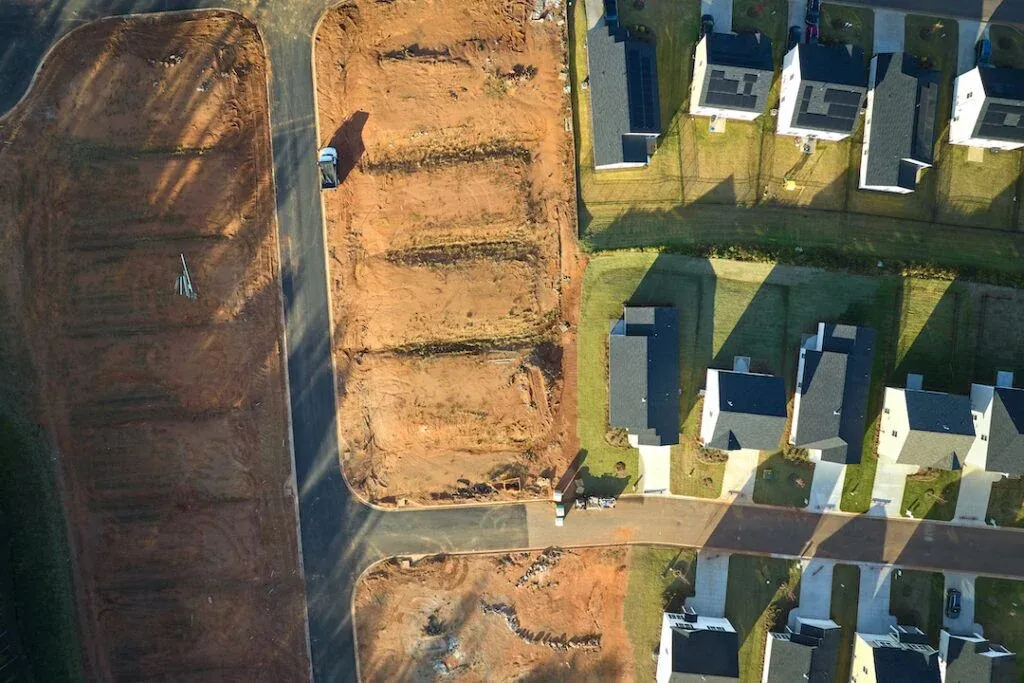
Not all blocks of land are created equal in the eyes of lenders. To use a home loan for land, the land generally needs to be:
- Zoned for residential use (check with your local council)
- Accessible via road
- Within proximity to utilities (water, electricity, sewage)
Rural blocks, steep land, or unserviced plots may be financed under stricter conditions or rejected entirely by some lenders.
When does a vacant land loan make sense?
A vacant land loan may suit your plans if:
- You have found a suitable block but aren't ready to build.
- The block suits your budget and building plans.
- You need time to plan a home for the site.
- You plan to build within 1 to 2 years and have a realistic strategy to get there
In contrast, if you're ready to build immediately, a construction loan or house and land package might be more appropriate, and easier to manage with bundled contracts.
Regional and rural land: size, services and access
For rural land, give the lender the lot details, zoning, access arrangements and services information before making an offer. Avoid relying on an assumed 2.2-hectare or 200-metre power-pole rule; lenders set their own security policies.
Land size and use
Acreage, permitted use and any business activity can affect the loan options. A hobby farm and a commercial farming business need different assessments.
Power, water and other services
Obtain connection quotes and check how the lender treats off-grid plans. A nearby pole doesn't mean a connection is affordable or approved.
Legal and practical access
Ask your solicitor to check registered access rights and easements. Confirm the road is suitable for construction vehicles and year-round access.
Which loan suits buying land?
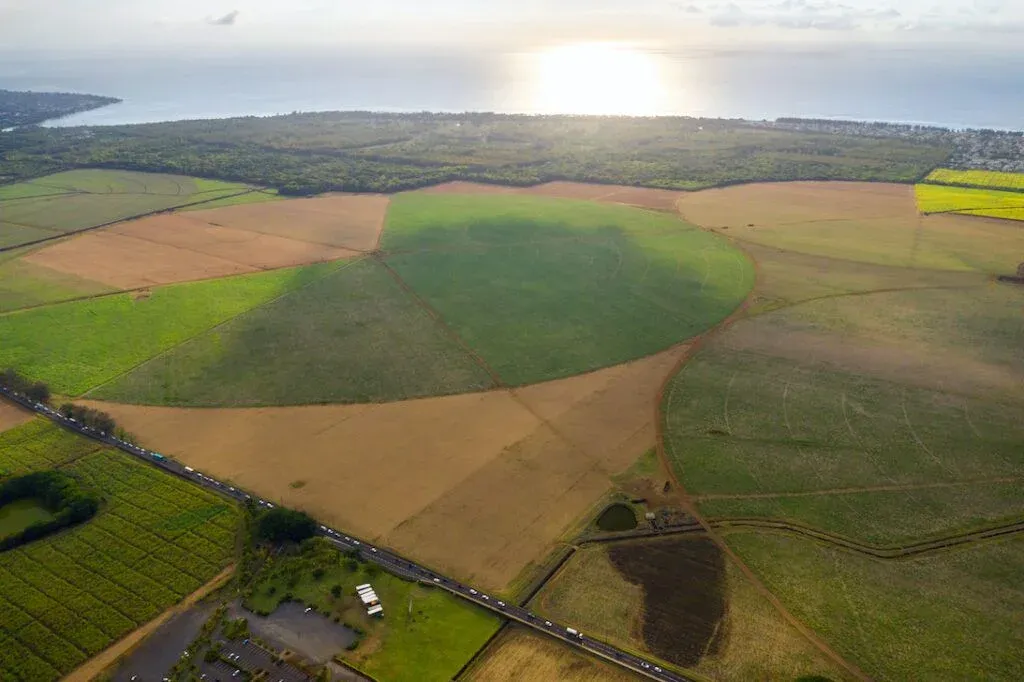
1. Vacant land loan: when you're building later
A vacant land loan can suit buying the block first and building later. Confirm any building deadline in the loan, sale contract or assistance scheme before choosing it.
Key features of a vacant land loan
- The deposit depends on the lender, land and approved scheme or security structure.
- Usually, it has stricter lending criteria, including land zoning, size, and utility access.
- Repayments typically start immediately and may be interest-only initially.
2. Construction loan: when you're ready to build

A construction loan pays the builder in stages as work progresses. Our construction financing guide explains progress payments and the documents to prepare. Have the lender assess the building contract and total budget alongside the land loan.
Key features of a construction loan
- Requires a building contract with fixed costs and timelines.
- Funds are released in stages, reducing interest costs early on.
- Transitions into a regular home loan once construction is complete.
3. House and land package loans
A package may use separate land and building contracts, or a single turnkey contract. That structure affects settlement, progress payments and duty. Check both contracts, inclusions, site costs and variations before comparing the package with buying land separately.
Key features of a house and land package
- Typically, it involves one builder and one loan.
- Often promoted by developers in new estates.
- May offer incentives like discounts or rebates.
Which loan is right for you?
Match the loan structure to your building plans:
- If you're not building immediately → Vacant Land Loan
- If you're building now → Construction Loan
- For a house-and-land package, check whether it uses separate land and building contracts or one turnkey contract.
Start with when you intend to build. If the build is later, check that you can carry the land loan and that the lender accepts the delay. If you are ready now, have the land and building costs assessed together before signing.
Example: buying a $250,000 block before building
This hypothetical example uses a $250,000 block and $50,000 deposit, leaving a $200,000 land loan before costs. The buyer must budget for land repayments while saving for construction.
When ready to build, the lender will reassess income, debts, valuation and the building contract. Do not rely on assumed capital growth or a promise of fee-free refinancing to fund the build.
Pros and cons of using a home loan to buy land
Pros
1. Secure a block that suits your plans
Buying now fixes the land price in your contract. It can make sense if you have found a suitable block and can afford to hold it. Compare rent and loan repayments during the wait with the cost of buying later; prices can move either way.
2. Choose a design for the site
You can plan a home around your needs, but the block sets some limits. Check zoning, covenants, access and site costs with your builder before paying for a design.
3. Use assistance for an eligible build
First home grants and deposit schemes may help with a qualifying land-and-build purchase. A vacant block alone does not qualify for a cash home-owner grant. Check when assistance is paid before counting it towards settlement.
4. Build equity as you repay
Repaying the loan reduces what you owe. A higher land value can also add equity, but a fall can reduce it. Have the lender assess the construction budget without relying on a future rise in land value.
Cons
1. Pay for the land before you can move in
Land-loan repayments start under the loan terms even while the block is empty. If you are renting, allow for both payments and check how much you can still save towards the build.
2. Pay to get the block ready
A block with a title is not necessarily ready for your house. Utility connections, site works and approvals can add cost and delay. Get quotes for the work your building contract leaves out.
3. Meet the building deadlines
The lender, sale contract, title covenants and government assistance can each set deadlines. Check them together. A loan that allows you to hold vacant land may still be unsuitable if your duty concession or deposit scheme requires an earlier build.
4. Recheck the build budget if you wait
A quote obtained when you buy the block may not cover the build you start later. Rising labour or material costs can leave a gap. Confirm how long the quote lasts and keep room for costs outside the contract.
Before committing, ask for a budget that covers the land, holding costs and completed home. If that budget depends on an unapproved future loan or a rise in land value, resolve the gap before signing.
Grants and help for land and a new build
General information only. It is not tax, superannuation or financial product advice. Check FHSS with the ATO and your accountant.
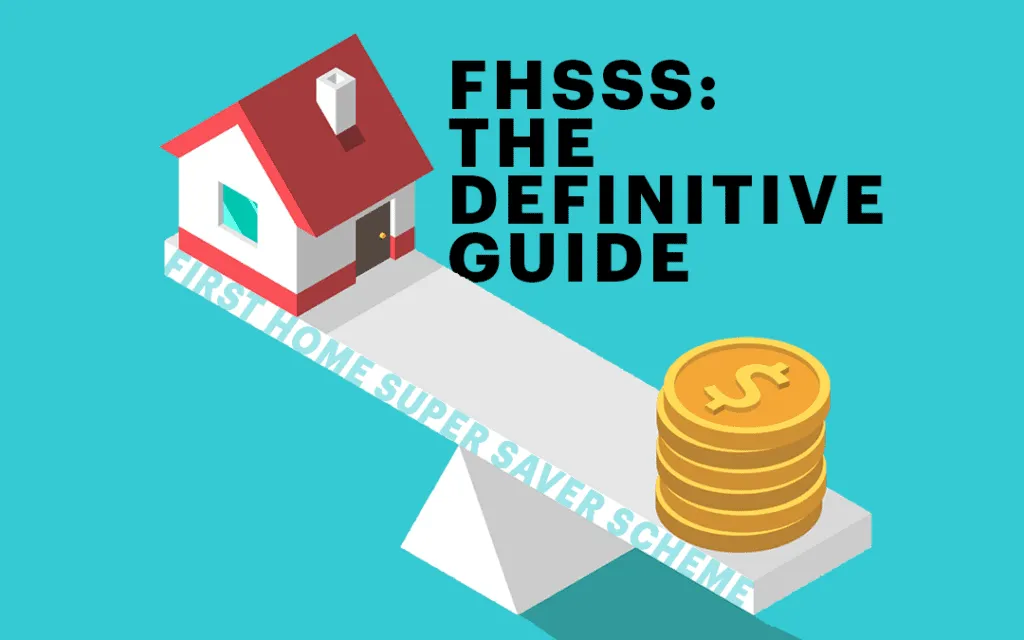
Several grants and concessions can help with an eligible first home build. Most of them don't pay anything for the land on its own.
First Home Owner Grant (FHOG)
Cash grants support eligible new homes or builds, rather than a stand-alone land purchase. Payment timing varies by state and application route; do not assume the grant will be available for the land deposit.
- Queensland: $30,000 for qualifying new homes with a total value below $750,000, including land. The grant continues for eligible contracts from 1 July 2026.
- NSW: $10,000 for an eligible new-home purchase up to $600,000, or a land-and-build total up to $750,000.
- SA: up to $15,000 for eligible new homes, with no value cap for contracts from 6 June 2024.
- WA: $10,000 for qualifying new homes; from 7 May 2026 the cap is $800,000 south of the 26th parallel and $1 million north.
Each state has ownership and residence conditions. Our first-home grants guide links to the full rules.
Stamp duty concessions
Vacant land has its own duty rules. Do not use the home-purchase threshold for a land-only contract.
- Queensland: Eligible first home vacant land contracts from 1 May 2025 have no value cap on the full concession. The buyer generally needs to build and move in within 2 years of settlement. The August 2026 citizenship/residency conditions and other eligibility tests also apply.
- NSW: Eligible first home land is exempt up to $350,000, with concessional duty above $350,000 and below $450,000.
- WA: For eligible transactions from 7 May 2026, land is exempt up to $450,000, with a concessional rate from $450,001 to $550,000.
- ACT: Eligible HBCS transactions from 1 July 2026 have no income or value cap. Ownership-history and residence requirements remain.
Check QRO, Revenue NSW, RevenueWA or ACT Revenue for your transaction. Our first home duty guide compares the states. Use the deposit calculator to budget for registration, legal work and other costs even if duty is $0.
Use our stamp duty calculator with your state and vacant-land option selected. Your solicitor should confirm the concession and the duty treatment of linked land and building contracts.
Australian Government 5% Deposit Scheme
The current name is the Australian Government 5% Deposit Scheme. Eligible first or returning buyers may buy with at least 5% and avoid LMI; income caps have been removed. The lender still checks savings, eligibility and credit approval.
The combined land and build must meet the location's cap. For example, the current NSW cap is $1.5 million in Sydney and designated regional centres, and $800,000 elsewhere. If you're buying in Sydney, compare areas in our best suburbs in Sydney guide first. Check the official postcode tool and the building deadlines above.
First Home Super Saver Scheme (FHSS)
FHSS allows eligible voluntary super contributions of up to $15,000 a financial year and $50,000 in total per person to count towards a release. The releasable amount includes 85% of eligible concessional contributions, 100% of eligible non-concessional contributions and associated earnings. Two eligible buyers can each apply; $100,000 cash is not automatic.
Arrange an ATO determination before ownership transfers, preferably before committing. For vacant land, a qualifying building contract is required within the FHSS timing rules; simply holding empty land is not enough. Contract timing generally runs from the release request, not the withdrawal date, with earlier-contract and extension provisions. Check the ATO's FHSS requirements before relying on the money.
Would you like to learn about your situation?
Example: a $600,000 land and build budget

In a hypothetical $600,000 land-and-build budget, a 5% deposit is $30,000 and the loan is $570,000 before costs. Scheme approval, valuation, building-contract eligibility and the location cap must all be checked.
Allow separately for rent during construction, site works, variations and any exclusions from the contract. A fixed-price contract does not mean every possible extra cost is covered.
Step-by-step guide to buying land

Step 1: Set your purpose and budget
Begin by clarifying your intentions: Are you purchasing land to build your primary residence, an investment property, or for future development? Your purpose will influence the type of loan you require and your eligibility for government grants.
Use the deposit calculator for upfront savings and our affordability guide for repayments and borrowing. Include duty, legal fees, site works and a construction contingency.
Step 2: Check which government schemes apply
These programs can help eligible first home buyers:
- First Home Owner Grant (FHOG): Provides a one-off payment to eligible first-home buyers building a new home.
- Australian Government 5% Deposit Scheme: Allows eligible buyers to purchase a home with a deposit as low as 5% without paying Lenders Mortgage Insurance (LMI).
- Stamp Duty Concessions: Various states offer reductions or exemptions on stamp duty for first-home buyers.
- First Home Super Saver Scheme (FHSS): Enables first-home buyers to save for a home deposit within their superannuation fund.
Eligibility criteria and benefits vary by state and individual circumstances.
Step 3: Get pre-approval
Obtaining pre-approval for a home loan provides a clear understanding of your borrowing capacity and demonstrates to sellers that you're a serious buyer. This step is crucial before making any offers on land.
When applying for pre-approval:
- Provide documentation of your income, expenses, assets, and liabilities.
- Discuss with lenders the specifics of land loans or construction loans, as requirements may differ from standard home loans.
- Inquire about the Loan-to-Value Ratio (LVR) limits and whether LMI applies.
Step 4: Talk to builders early
Even if you don't plan to build immediately, consulting with builders early can be beneficial:
- Obtain preliminary designs and quotes to understand potential construction costs.
- Confirm the lender's building deadlines and any separate deadlines under a grant, duty concession or deposit scheme.
- Early consultation can help identify any site-specific challenges that may affect construction.
Step 5: Check the land
Before purchasing land, ensure you:
- Check Zoning and Land Use Regulations: Verify that the land is zoned appropriately for your intended use.
- Assess Infrastructure Availability: Determine the availability of essential services like water, electricity, sewage, and road access.
- Review Land Covenants and Restrictions: Identify any covenants or restrictions that may impact your building plans.
- Obtain a Land Survey: Confirm the exact boundaries and identify any easements or encroachments.
Engaging professionals such as conveyancers or solicitors can assist in navigating these checks.
Step 6: Make an offer and sign the contract

Once you've identified suitable land:
- Negotiate the Purchase Price: Engage in discussions with the seller to agree on a fair price.
- Sign the Contract of Sale: Ensure the contract includes any conditions, such as subject to finance or satisfactory land inspections.
- Pay the Deposit: Typically, a deposit (e.g., 10% of the purchase price) is required upon signing the contract.
Step 7: Finalise the loan and settle
After signing the contract:
- Finalise Loan Approval: Submit the signed contract to your lender to proceed from pre-approval to formal approval.
- Arrange for Settlement: Coordinate with your conveyancer or solicitor to complete the settlement process, which includes transferring ownership and paying the remaining balance.
- Register the Title: Ensure the land title is registered in your name with the relevant state or territory authority.
Step 8: Plan the build
With land ownership secured:
- Finalise Building Plans: Work with your chosen builder to complete detailed designs and obtain necessary approvals.
- Apply for a Construction Loan: If not already arranged, secure financing for the building phase.
- Commence Construction: Begin building within any timeframes stipulated by your lender or government grant conditions.
Common questions about buying land with a home loan
Next steps
Hunter Galloway can help assess the land and proposed build together. Bring the lot details, savings position and any building quote so we can check the finance options.
If you want to get started, please give us a call on 1300 088 065 or book a free assessment online to see how we can help.

More guides for home buyers
- How to get home loan pre-approval
- Lenders Mortgage Insurance explained
- What are genuine savings?
- How much deposit do I need for a home loan?
- QLD First Home Owner Grant: are you eligible?
Sources for the duty update
Duty information checked on 12 September 2026. The transaction date and each buyer's circumstances determine which rules apply.