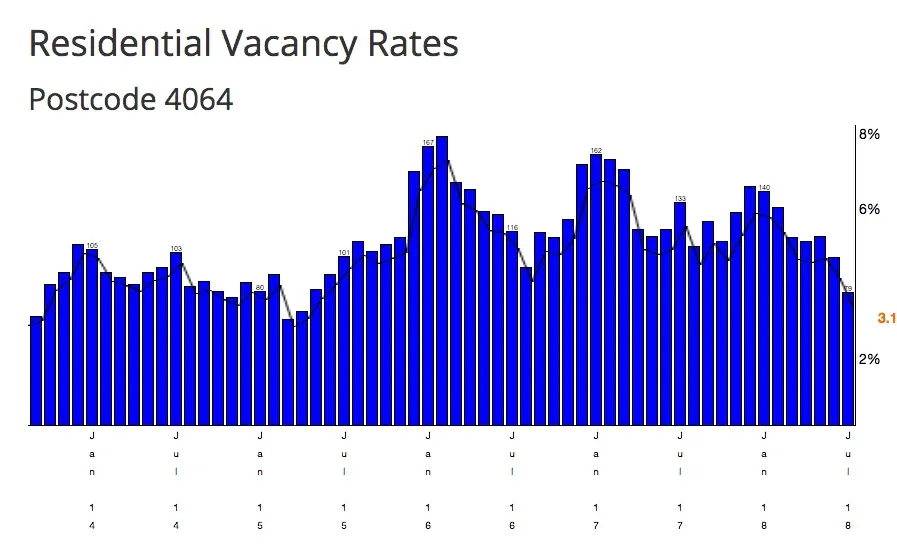
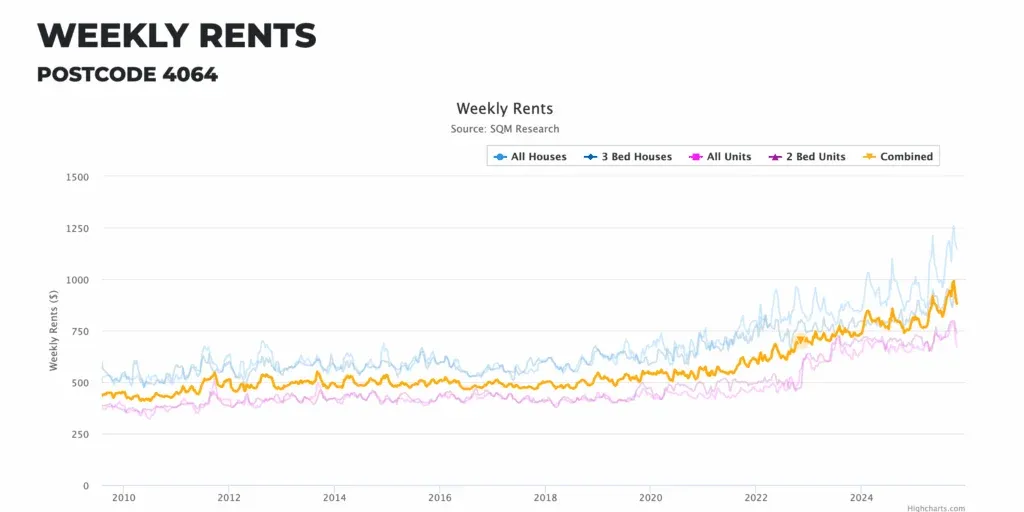
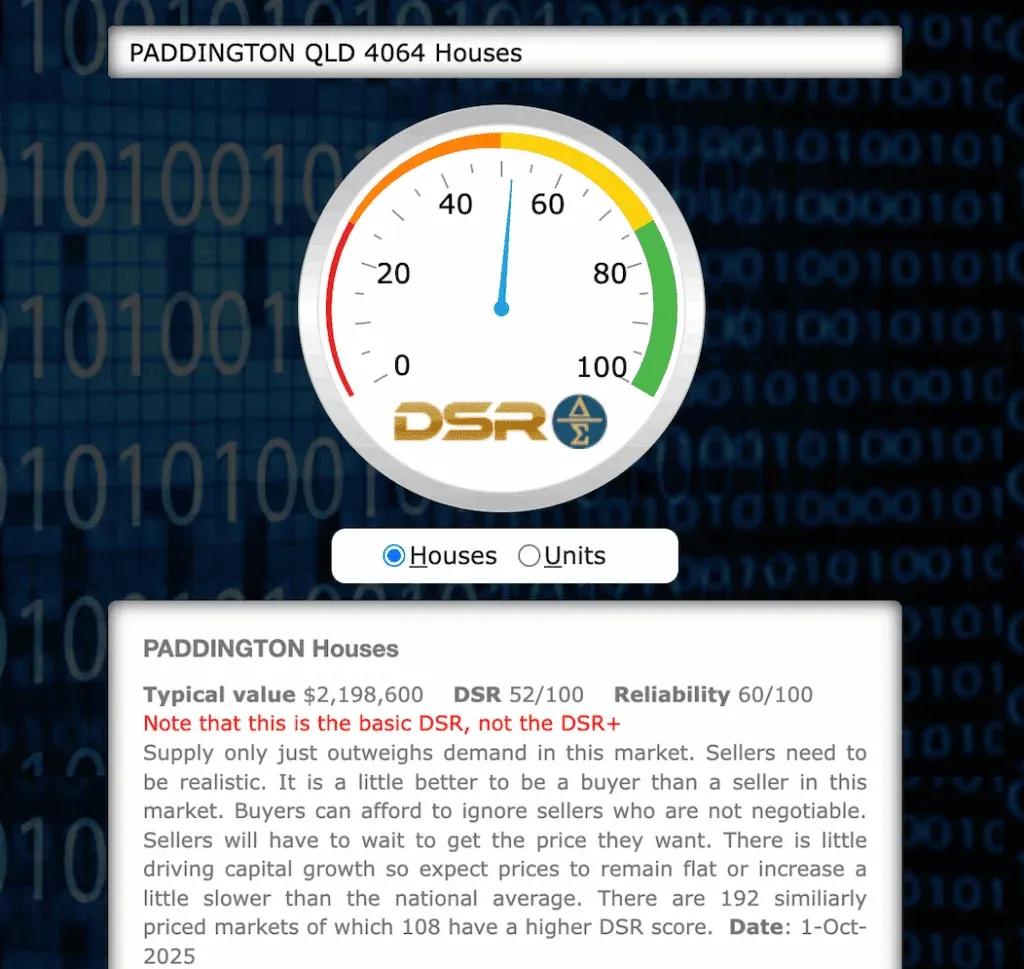
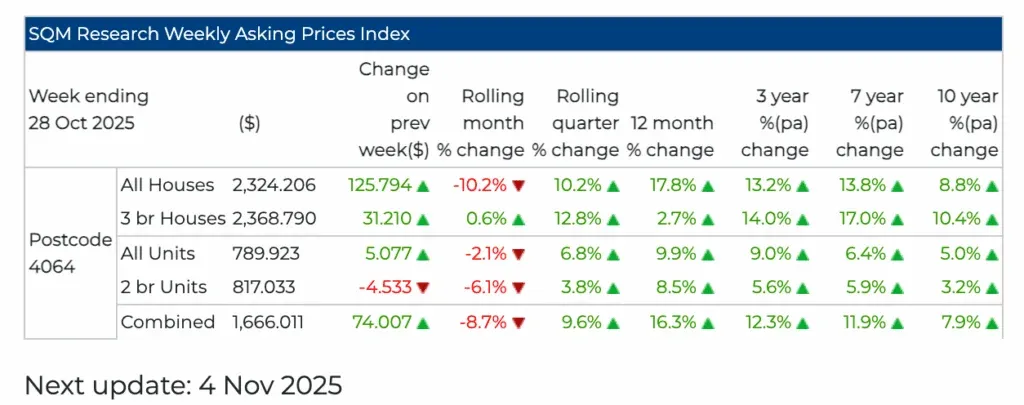
The property market is dynamic; it can move from a buyers' to a sellers' market pretty quickly. You get a good feel for this looking at open homes, but other resources like sqm data and DSR data can also be good. Another aspect of the property market that can shift is prices.
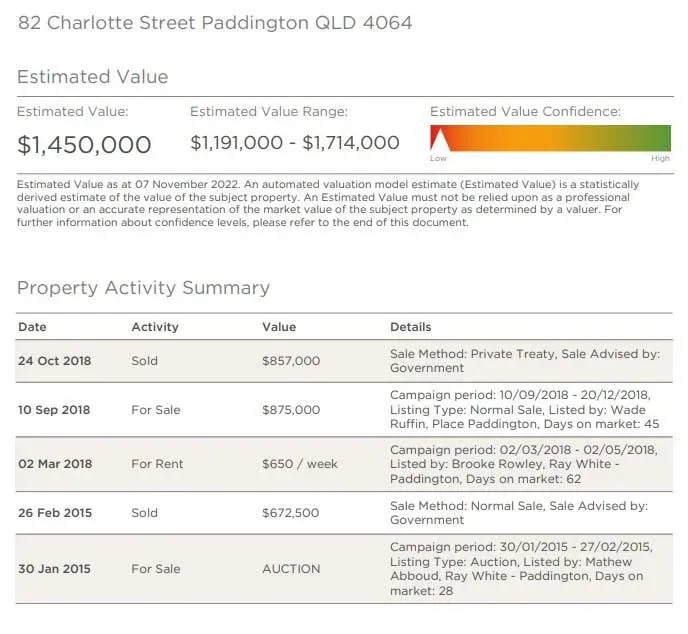
When researching your property, it is important to understand that prices could have shifted since the time the property you are seeing online was sold. A good way to factor in these changes is to use CoreLogic Indices, which will show the change year on year and monthly.
As an example, adding 12% to $926,000 gives $1,037,120. That arithmetic does not establish a unit's current value: city-wide growth may differ from its suburb, property type and condition. Check recent comparable sales before adjusting an older sale.
A hypothetical 1% rise on $900,000 is $9,000. Monthly market data does not guarantee that an individual home would sell for $909,000.
Now, this isn't precise, but at least it gives you an understanding and helps you ensure you're not underbidding because you're just going to miss out, which will cause more of that frustration. We see it a lot where home buyers might be out there for 6 to 18 months looking for homes and just constantly missing out because they are not factoring in the movement in the market. Remember, what people are willing to pay on the property is what they're willing to pay on the day, not what was paid 6 months ago.
Local projects, schools and planning can affect demand and how you use the property. Check the evidence rather than treating them as a prediction of price growth.
New infrastructure and transport projects can dramatically influence property prices. Consider:
Tip: Always check government announcements and planning portals to see upcoming infrastructure projects.
Good schools consistently drive demand. Key points include:
Population changes can indicate future property growth. Track:
Data sources such as the ABS Census and local council population reports are invaluable for this research.
Council development plans and zoning maps reveal future growth opportunities. Look for:
Check restrictions as well as proposed development. Rezoning or a nearby project does not guarantee your property will rise in value.
Use current official plans to check venue locations and related infrastructure. Then assess how the works could affect access, noise and your intended use of the property.
Separate a confirmed project from a forecast about property values. Include construction disruption and delivery uncertainty in your research.