


Client story
Hamish had a 20% deposit. The first lender still rejected the 36 sqm studio.
Hamish wanted to buy a 36 sqm inner-city studio for $380k. He had a $76k deposit and needed a $304k loan at 80% LVR (loan-to-value ratio).
The first lender rejected the property under its minimum internal-area rule despite his 20% deposit.
My brother Nathan obtained the floor plan and title evidence. He kept the 36 sqm internal area separate from the 6 sqm balcony and dedicated car space, then matched the studio with a lender that could accept it at 80% LVR. The $304k loan was approved using the actual internal area. Another 36 sqm studio still needs its own assessment.
- Loan rejected
First lender after the property check
- $304k approved
Lender whose size rule fitted
An apartment loan is usually a residential home loan with extra checks on the unit and building. Ordinary 1 or 2 bedroom apartments need these checks too.
Can you get a home loan for an apartment?
Yes, if the apartment fits the lender's rules. One lender declining it does not rule out every lender.
I start with the address, internal floor area, layout, legal use and loan amount. That tells me whether the issue is the unit itself, the building or how the property is used.
What apartment size will the bank actually use?
Most lenders in this comparison exclude balconies, courtyards, car spaces and storage from the internal living area.
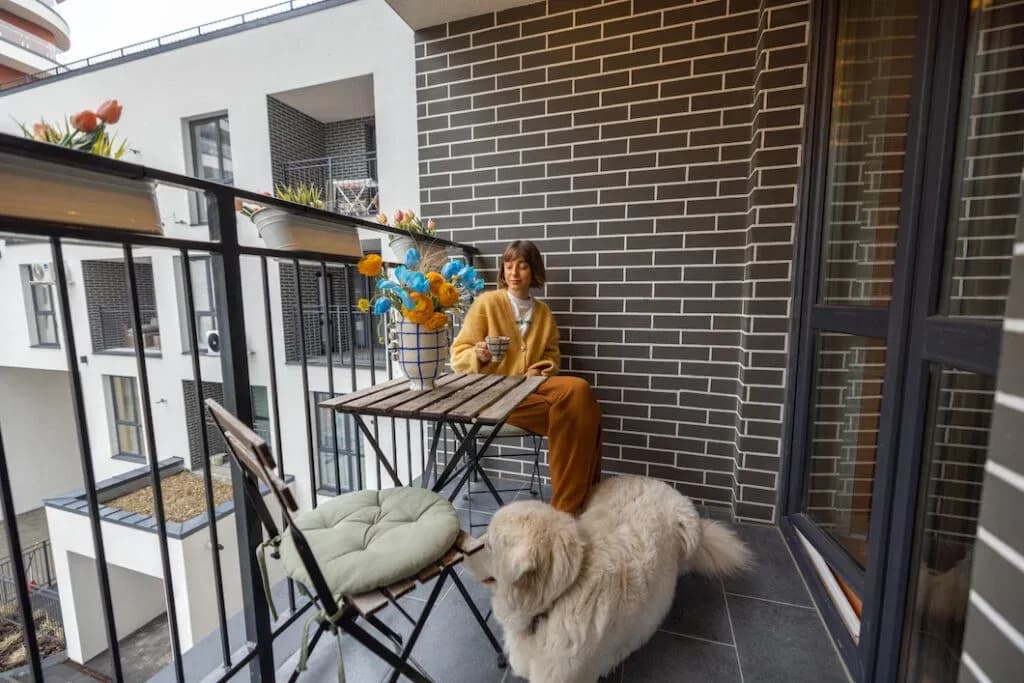
An advertisement might say 52 sqm when the apartment has 36 sqm inside plus a balcony and car space. Those extras can still help the value, but they do not normally turn a 36 sqm studio into a 52 sqm apartment for the bank's size check.
Record separately
Internal living area, balcony or courtyard, parking, garage and storage.
Confirm from evidence
Floor plan, strata plan, title material and the valuation used by the selected lender.
One current rule can use 50 sqm including the balcony and car parking, or 40 sqm without them. That is why I keep each measurement separate rather than trusting one total from the listing.
Does the apartment have a separate bedroom?
Some lenders accept studios above their minimum size. Others require a separate bedroom or exclude studios.
A lender may accept a studio at 80% LVR while its mortgage insurer refuses it with a smaller deposit.
I would also check that the property has permanent cooking and bathroom facilities, can be occupied as an ordinary residence and is not tied to student, hotel, serviced or short-stay use.
How different lenders approach small apartments
Some lenders have options below 40 sqm; others start around 40 or 50 sqm. Layout, location and loan limits still matter.
| Lender group | What that can mean for you | What I check |
|---|---|---|
| Options below 40 sqm: Commonwealth Bank, Bankwest, ANZ, Teachers Mutual Bank, People First Bank and Suncorp | A smaller apartment may still have options. The deposit, postcode, internal area, building type and studio layout can narrow them quickly. | I check the floor plan and the internal living area first. The size shown in the listing may include a balcony or car space. |
| Options around 40 sqm: Westpac, St George, NAB, Auswide and UBank | How the area is measured matters. Studio and mortgage insurance rules can still change the result. | I check whether the lender uses internal living space or a larger total that includes the balcony or car space. |
| Options closer to 50 sqm: Macquarie, ME Bank and Firstmac | The separate bedroom, location and exact internal area may matter as much as the headline size in the listing. | I check the bedroom layout and whether the property is in a metro or regional area before choosing the lender. |
Lender and property checks
Options below 40 sqm: Commonwealth Bank, Bankwest, ANZ, Teachers Mutual Bank, People First Bank and Suncorp
- What that can mean for you
- A smaller apartment may still have options. The deposit, postcode, internal area, building type and studio layout can narrow them quickly.
- What I check
- I check the floor plan and the internal living area first. The size shown in the listing may include a balcony or car space.
Options around 40 sqm: Westpac, St George, NAB, Auswide and UBank
- What that can mean for you
- How the area is measured matters. Studio and mortgage insurance rules can still change the result.
- What I check
- I check whether the lender uses internal living space or a larger total that includes the balcony or car space.
Options closer to 50 sqm: Macquarie, ME Bank and Firstmac
- What that can mean for you
- The separate bedroom, location and exact internal area may matter as much as the headline size in the listing.
- What I check
- I check the bedroom layout and whether the property is in a metro or regional area before choosing the lender.
Lender guides: Commonwealth Bank · Bankwest · ANZ · Teachers Mutual Bank · People First Bank · Suncorp · Westpac · St George · NAB · Auswide · UBank · Macquarie · ME Bank · Firstmac
Lender rules checked 3 August 2026. This is a starting-point comparison of the lenders listed above, not a recommendation or credit advice. Policy can change without notice. Confirm the current property rule and full application requirements before relying on a loan option.
What if the apartment is big enough but the building is the problem?
Your income can be fine and the apartment can be large enough, yet the bank may still say no to the building. It might already have too many loans in that complex, or it may limit lending because of the postcode, number of units or number of floors.
High-density definitions differ. I check the development details and ask the lender to confirm its position on the building. If the lender has rejected the building itself, read why a bank can reject an apartment building.
- AddressThe exact postcode and address
- Development sizeNumber of lots, units and floors
- Lender exposureWhether the lender already has concentrated exposure in the development
- Completion statusWhether the apartment is new, off the plan or being sold by a developer
- OccupancyPermanent residential occupancy and any management agreement
- Specialist useStudent, serviced, hotel or short-stay classification
- Building concernsKnown cladding, defects, insurance concerns or special levies
What a lower apartment limit means on a $700k purchase
- $630k
Loan expected at 90%
Cash towards the price: $70k.
- $560k
Loan accepted at 80%
Cash towards the price: $140k.
- $70k
Extra cash before costs
The purchase price stays at $700k.
This example assumes the lender values the apartment at the $700k price. A lower valuation, LMI, purchase costs and the full application can change the cash required.
Another $70k could solve a lower loan limit. It will not solve a building the lender refuses, an apartment below its minimum size or an unresolved defect.
Is it an ordinary apartment or a restricted one?
A normal apartment rented to a student is not the same as purpose-built student accommodation. An owner who occasionally uses a normal residential unit for short stays is also different from a unit tied to a hotel pool or compulsory letting agreement.
Can you live there permanently?
Check the approved and legal use rather than relying on how the listing describes it.
Can you choose the manager?
A compulsory leaseback or letting agreement can affect control, value and saleability.
Who can buy it later?
Restrictions on who can live there, or demand mainly from investors, can limit the number of buyers who can obtain a loan.
How will it be valued?
The valuer may treat a specialist unit differently from an ordinary residential apartment.
Can you get approved if the building has defects?
Cladding, structural work, water ingress or a special levy does not automatically rule out a loan. The lender checks the repair costs and funding, insurance, resale prospects and valuation. The apartment defects guide covers the records and repair evidence lenders ask for.
If you are under contract, start with the finance date, current strata records, engineering or fire reports, remediation plan, insurance and your share of the cost. Your solicitor, building specialist and insurer still need to advise on their parts.
Could the small apartment be harder to refinance or sell?
A cheaper studio can mean a smaller deposit and lower repayments, but fewer options when you refinance, release equity or sell.
Another lender may require more internal space, a separate bedroom, a larger deposit or a different building and postcode assessment.
This is a finance check, not investment advice. A lender accepting the security does not prove the apartment is good value, easy to sell or likely to grow.
Client story
Why a 10% deposit did not solve Ben's 19 sqm studio problem
Ben was considering a Brisbane City studio advertised above $280k. During a call with Ben, Nathan checked the internal area: 19 sqm.
Nathan could not find a standard small-apartment option at 19 sqm and 90% LVR in the lender rules checked for this case. A larger total in the advertisement would not have changed the internal area.
Ben found the problem before he relied on the loan. That did not make the property suitable, but it stopped him mistaking an affordable price for an easily financed apartment.
The valuation can change the deposit after the size rule passes
A lender may accept the apartment type and still value it below the contract price. Small floor area, an unusual layout, limited comparable sales, investor concentration, defects or restrictions on normal occupation can affect the valuer's view.
If the lender value is lower than the price, the LVR is calculated from the accepted value and the cash shortfall can increase. Use the LVR calculator to check the ratio, then use the bank valuation challenge guide if the report contains a factual error or weak comparable evidence.
Budget for more than the deposit
Before settlement
Allow for any transfer duty, conveyancing, inspections, lender fees, LMI and settlement adjustments. Keep these separate from the deposit needed to meet the lender's loan limit.
While you own the apartment
Budget for repayments, body corporate levies, council and water charges, contents cover and maintenance inside the unit. Ask about planned works, special levies and any strata loan repayments.
Review the current body corporate budget and insurance alongside the levy quoted in the listing. In Queensland, the body corporate buyer guidance explains the financial and insurance records to check. For unresolved repairs, use our apartment defects guide.
How to apply for an apartment home loan
Work out the borrowing amount
Prepare identification, income evidence, savings and deposit records, existing debts and regular expenses. Include the apartment's ongoing costs.
Check the apartment
Send the address, floor plan, title and available building information. Confirm the lender's property rules before relying on a general pre-approval.
Complete the assessment
The lender assesses you and the property. Resolve any conditions and confirm the loan amount, LMI and cash required.
Prepare for settlement
Your solicitor handles the contract and settlement advice. Confirm formal finance approval, loan documents and the funds required before the relevant deadlines.
Compare the loan features as well as the property rules
Fixed rate
Repayment certainty for the fixed period. Check restrictions on extra repayments and possible break costs.
Variable rate
May offer an offset account or redraw. Check access, limits and fees.
Offset account
A transaction account linked to the loan. The balance reduces the interest charged. Check any fee or minimum balance.
Redraw
Accesses eligible extra repayments you have made on the loan.
Once a lender accepts the apartment, compare the rate, fees and features you will use. See Moneysmart's home loan comparison guidance.
An apartment does not automatically require a special high-interest product. The available rate and terms depend on the lender, loan purpose, deposit and full application.
Questions I would answer before signing
- Internal area and layoutWhat is the internal living area excluding balcony, parking and storage? Is there a genuinely separate bedroom?
- Use and managementCan you live there permanently? Is there a student, hotel, serviced or short-stay management arrangement?
- Building and locationHow many units and floors are there? Does the address trigger a lender postcode or development check?
- Building conditionAre there known cladding, defect, insurance or special-levy issues?
- Future refinanceWould the current size and layout leave more than one realistic refinance option?
- Loan and insuranceWhat LVR is required, and does the loan rely on lenders mortgage insurance?
See how lenders mortgage insurance affects the loan.
Frequently asked questions
Related guides
Home loans by property type
Start with the property checks that apply to your purchase.
Read guideChallenge a bank valuation
What to do when one valuation leaves you short.
Read guideCheck a property for flood risk
Use the available report before finance and contract deadlines.
Read guideQueensland property disclosure
What sellers must disclose and what buyers should still check.
Read guideHow to value a property
Use comparable sales and more than one source before you offer.
Read guideHigh-density apartment home loans
Why a lender may already have too many loans in one building.
Read guideApartment defects and home loan approval
What can happen when defects, cladding or insurance affect the building.
Read guidePower lines and easements
How location risks can change the lender's view of the property.
Read guide

Experience and sources
How this guide was checked
Reviewed 29 September 2026 by Joshua Vecchio.
Confirm the selected lender's current requirements for your property before applying.

Jayden joined Hunter Galloway in 2018 after working in commercial and development finance. He helps borrowers with construction, bridging and self-employed home loans.
Send me the apartment before you rely on the pre-approval
Send me the listing, floor plan, internal area, layout, postcode, development size, price and proposed loan. I will check which lender rules apply and what evidence we need before you apply.
Check my apartmentor call 1300 088 065
This guide is general information, not loan approval, valuation, legal, property or financial advice. Lender property rules, LVRs, LMI positions and postcode or development restrictions can change. The exact property, borrower and proposed loan need to be assessed before relying on a path. Hunter Galloway Finance Pty Ltd T/A Mortgage Broker Brisbane - Hunter Galloway ABN 20 605 252 926. Credit Representative 476903 is authorised under Australian Credit Licence 389328. Your full financial situation would need to be reviewed before any offer or product is accepted.
Client examples are based on real situations. Names and identifying details have been changed.