Modern kitchen renovations in 2026 have shifted from simple cosmetic updates to complex, “future-proof” overhauls centered on sustainability and safety. With the total ban on traditional engineered stone and a nationwide transition toward all-electric cooking, your renovation plan must now balance high-end aesthetics with strict Australian compliance.
This guide, written by an expert mortgage broker in Brisbane, provides the clinical 2026 framework to ensure your kitchen adds maximum value to your home without the regulatory headaches.
How To Manage Your Own Kitchen Renovation?
When my now-wife Monique and I bought our place and began renovating, we didn’t have a strategy in place.
We started with a budget of $10,000 to update the kitchen… which quickly turned into a $100,000 major renovation!
This left us going through a game of trial and error to figure out how to renovate the kitchen in the easiest way possible.
In hindsight, I know that managing a kitchen renovation can be a smooth process, but the important part, to begin with, is making a plan.
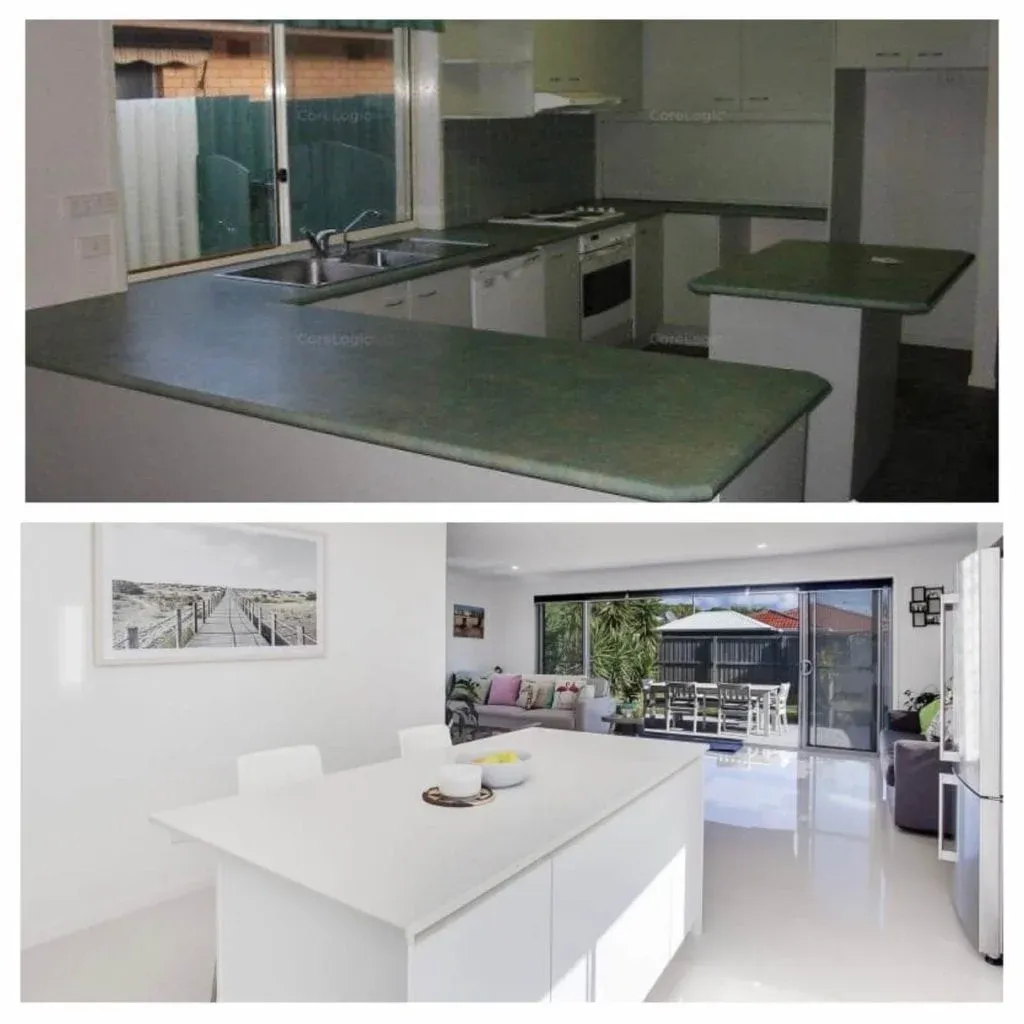
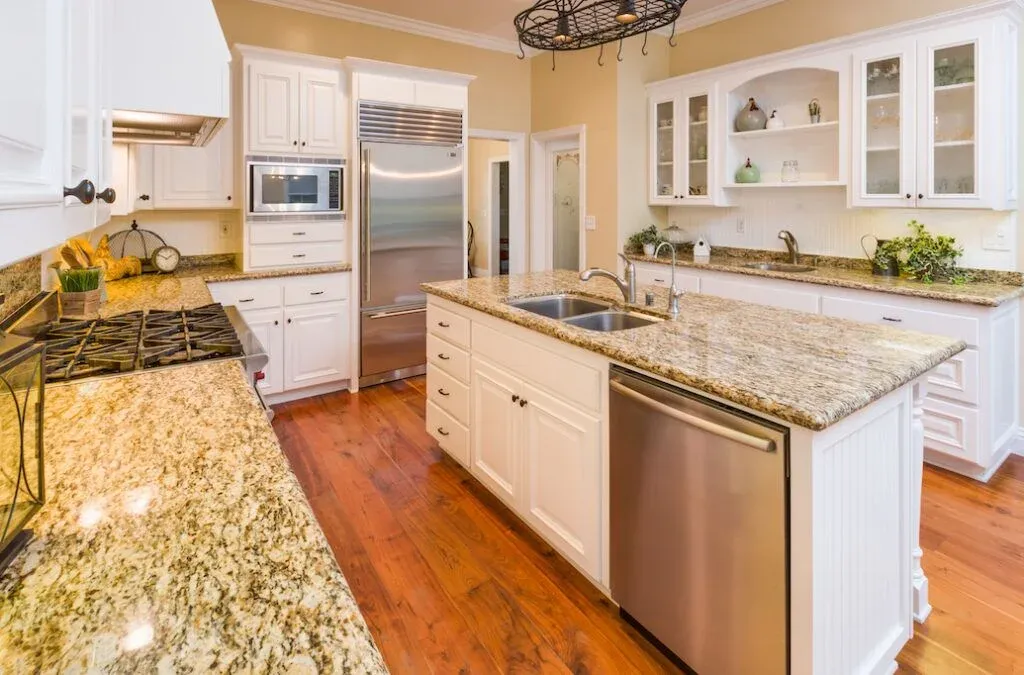
Our kitchen before and after renovation
Map out and create a clear image of what you want to achieve so that you can prepare for building using the following steps.
Step 1: Set a budget
The first step is to consider if you will be giving the kitchen a simple cosmetic retouch or if you will be removing and changing the entire area.
Your budget will determine the quality of materials and professional services you can use.
Consider the work you can do yourself, what materials you’ll use and any extra features so that you can make a budget.
Will the plumbing or gas need to be updated, moved or changed? What about walls?
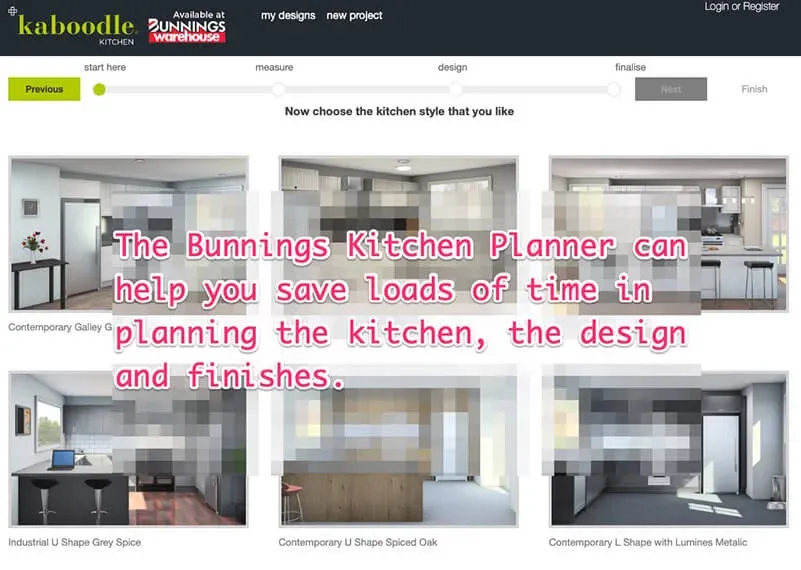
A great tool you can use isBunnings Kitchen Designer, which can help indicate costs for different kitchen styles.
Step 2: Measure the space
When making a plan, it’s important to size up the area and know the dimensions of the space.
You will need to have the numbers on the following:
The width and length of the room
The height of the room
The length of doors and walls
Height from floor to windows
Light switch locations and space for additional services and installations like plumbing or a dishwasher.
Step 3: Choose a design and layout
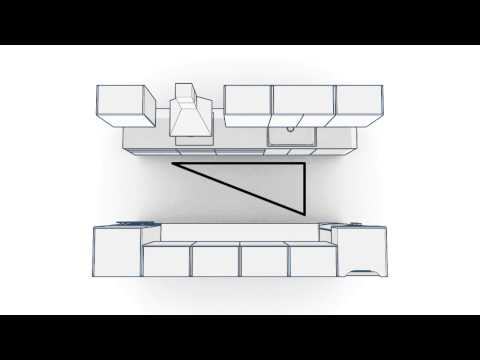
How your kitchen is set out will greatly impact the whole cooking experience. While the old “golden triangle” focused on three points, current trends in design prioritize Kitchen Zoning. This modern strategy organizes your space into five functional zones—Consumables, Non-consumables, Cleaning, Preparation, and Cooking. This layout manages flow better in open-plan homes, ensuring multiple people can work together without getting in each other’s way.
How your kitchen is set up will have a huge impact on the cooking experience.
How to use colour and texture
Think about how your kitchen will look from a big-picture perspective.
You can now buy kitchens that are made-to-order in line with exactly what you’re looking for.
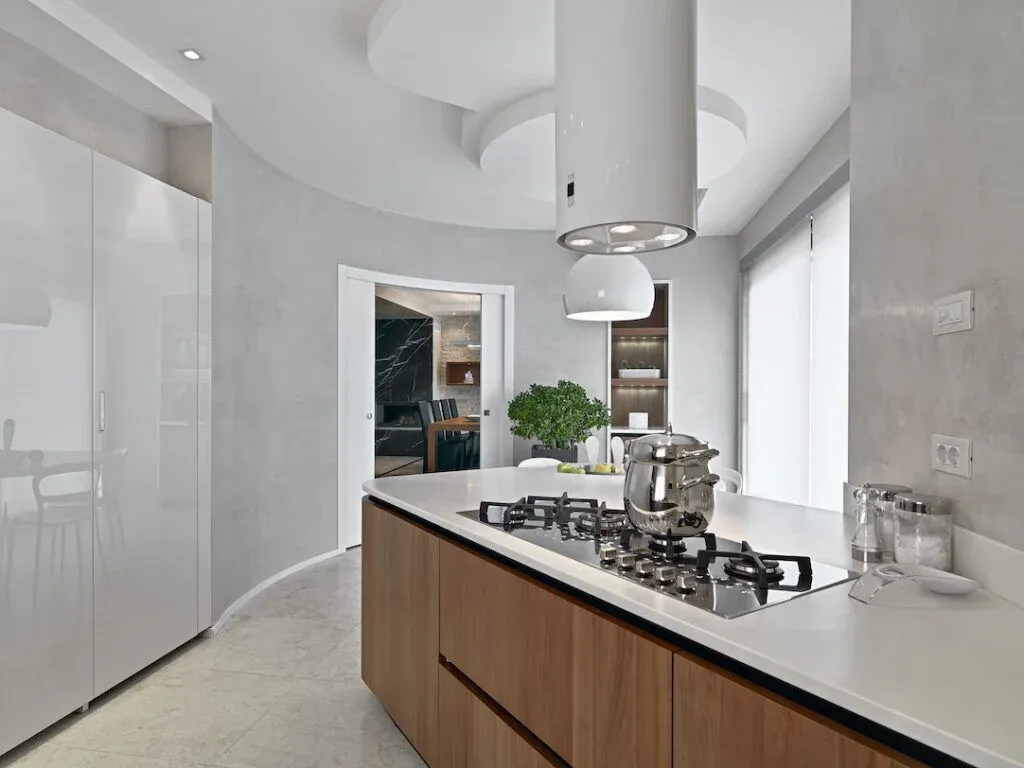
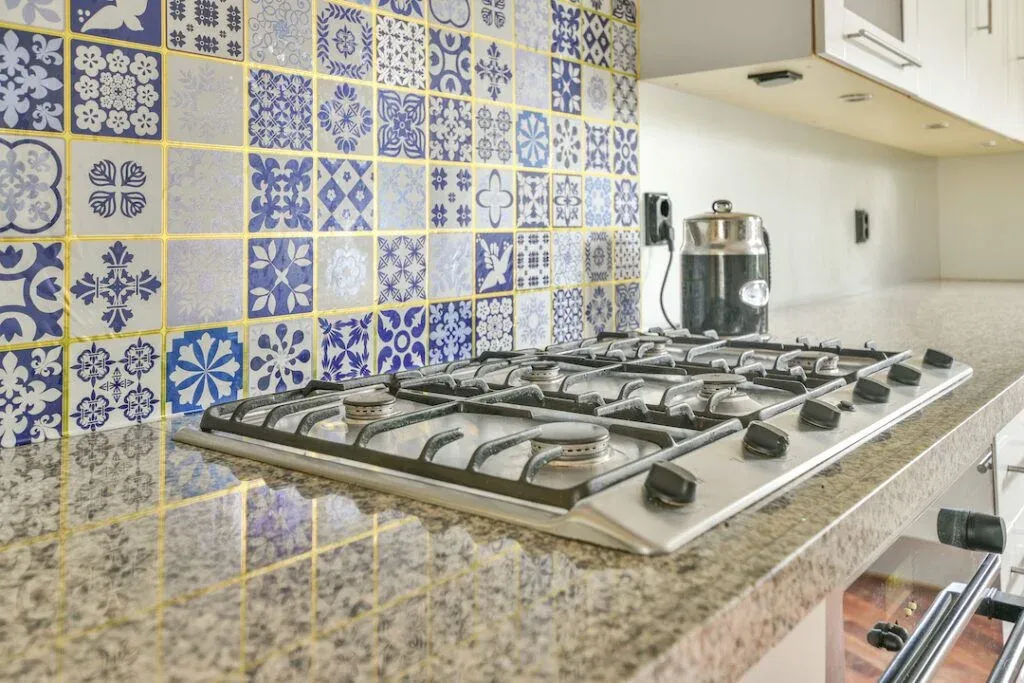
When carefully placed, textures like stone and marble and lighting throughout the kitchen will create a dramatic edge. You can add a pop of colour, pattern or texture for splashback to create interest.
To help get a clear idea of what you’re after, jump on Pinterest and create a vision board for your kitchen. Pin colours, patterns, and kitchen styles that you like so that you can determine if they’ll look good in your own home.
Sketch your dream kitchen layout.
The good news is there are so many online sites that will make it easy to sketch out your kitchen.
Ikea has its very own room planner, which makes it easy to plan out your kitchen layout.
Choosing the type of cabinetry in your kitchen completely changes the look of the space. There are five different types to choose from.
Wood cabinets are a classic option and can be painted, stained or left natural. One of the major benefits of wood is that it can be easily repaired and quickly painted to create a new look. A disadvantage is that, over time, humidity can warp the wood.
Eco-friendly cabinets are another option, and they use recycled materials. Yet, this type of cabinetry can sometimes be expensive to source or create due to the lack of consistency.
Laminate cabinets are synthetic and made of compressed wood. This type of cabinet doesn’t really scratch or stain, yet any damage done is usually irreversible and will mean it needs to be replaced.
Thermofoil cabinets are made of vacuum-pressed vinyl and provide a range of design styles for a fair price. One of the problems, though, is that they may need heat shields, and if the vinyl is damaged, they are not repairable.
Metal cabinets can be purchased as brushed or shiny, and the heat does not affect them. They are stain-resistant but costly and highly prone to scratches and dents.
The type of cabinetry you choose in your kitchen will completely change the look of your space.
Step 4: Make a plan
Plan out the renovation process so that you can organise professional services and installations around the phases of building the kitchen.
After the design is confirmed and your products are ordered, you will then need to follow a process similar to the following:
The old kitchen is taken out (1 day)
Plumber completes rough-in of any plumbing changes while electrician works on new electrical work.
Cabinets are set up and installed
The benchtop is added (laminate can take up to three days; custom benchtops take about three weeks from ordering)
Appliances are installed, and the splashback is added
The All-Electric Shift: Switching from Gas to Induction
In 2026, induction cooking has officially overtaken gas as the preferred choice for Australian home renovations. While gas was once the “pro-chef” standard, a combination of health concerns and efficiency technology has made going all-electric the smartest move for future-proofing your property value.
Why Australian Homes Are Ditching Gas
The shift away from gas isn’t just an environmental trend; it’s a response to evolving health standards and local regulations.
Indoor Air Quality: Recent studies have highlighted that gas cooktops can release nitrogen dioxide and carbon monoxide, impacting indoor air quality.
Regulatory Phase-Outs: Many new developments across Australia are now being built without gas connections entirely. Choosing induction now ensures your kitchen won’t be considered “legacy” or outdated when you eventually sell.
Precision and Speed: Modern induction units offer better temperature control than gas, allowing for a true low-heat simmer and an incredibly fast boil.
The 90% Efficiency Rule
The biggest benefit of induction is how it handles energy. Unlike gas, which heats the air around your cookware, induction uses electromagnetism to heat the pan directly.
Gas Efficiency (40-50%): Nearly half the energy you pay for escapes into your kitchen as wasted heat.
Induction Efficiency (90%): Almost all the energy goes directly into your food, meaning faster cook times and a much cooler kitchen during those hot Brisbane summers.
The Infrastructure Check: Don't Skip Your Switchboard
Before you purchase your new appliances, you must confirm your home can actually power them. High-powered 2026 induction units require significant electrical current and often need their own dedicated circuit.
Switchboard Capacity: Older Brisbane homes, particularly heritage Queenslanders, often have outdated boards that cannot handle a 32-amp or 40-amp cooktop load.
Upgrade Costs: Budget roughly $1,200 to $2,500 if your switchboard requires an upgrade to meet modern safety standards.
The Payoff: While an upgrade is an extra cost, it adds value by making your home “EV-ready” and solar-compatible, which are major selling points in today’s market.
Costs Of Kitchen Renovations
We have gone through the first step, which is to come up with the budget. Now, it’s time to determine how the renovation will remain within budget. You’ll also need to realistically consider how a kitchen renovation will increase the value of your house.
In this section, we’ll show you exactly how to navigate the 2026 pricing landscape.
What Is the Average Price to Renovate a Kitchen?
Kitchens are the most expensive part of the house to renovate.
Thanks to the surge in DIY popularity and rising trade costs, kitchen renovations in Australia now fall into three distinct price tiers. In 2026, the median cost for a full kitchen renovation in Brisbane typically starts at $30,000.
Renovation Tier
Budget Range
What’s Included?
Budget / Cosmetic
$15,000 – $30,000
Resurfacing cabinets, new handles, laminate benchtops, and entry-level appliances.
Mid-Range
$30,000 – $60,000
New custom cabinetry, stone-alternative benchtops, mid-range appliances, and minor plumbing/electrical work.
Premium / Luxury
$60,000+
High-end porcelain or sintered stone, bespoke cabinetry, smart appliances, and structural changes (removing walls).
Selecting Your 2026 Appliance Suite
The type of appliances you install is the biggest variable in your final bill. In 2026, Australian homeowners are no longer just looking at the price tag; they are prioritizing Energy Star Ratings and All-Electric transitions.
The Induction Shift: For resale value, induction cooktops have officially replaced gas as the preferred choice. While induction units start from $750, their 90% energy efficiency makes them a “must-have” for energy-conscious buyers.
Smart Features & Efficiency: High-efficiency ovens and dishwashers can cost between $800 and $2,500+. However, choosing 5-star rated appliances isn’t just good for the planet—it’s often a requirement to qualify for “Green Home Loans” or government energy rebates.
Appliance Type
Budget Option
Premium / Smart Option
Induction Cooktop
$750+
$2,800+ (with integrated venting)
Electric Oven
$600+
$3,500+ (with steam/Wi-Fi)
Dishwasher
$500+
$1,800+ (5-star energy rated)
Kitchen Sink
$300+
$1,500+ (Composite/Granite)
Expert Tip: If you’re looking to finance your renovation, many lenders now offer “Green Loans” with significantly lower interest rates for projects that include energy-efficient appliances and solar-ready infrastructure. In fact, many Green Home Loans in Australia now require an induction cooktop as a condition for the discounted interest rate.
What Is The ROI On A Kitchen Remodel?
Unfortunately, many buyers jump into a kitchen renovation without doing adequate research. In 2026, with Brisbane’s median house price having powered past $1.1 million, the old formulas for “cosmetic flips” simply no longer apply.
If you aren’t careful, you can easily overcapitalise. To ensure your kitchen renovation is a smart financial move rather than a sinkhole, you need to follow modern ROI benchmarks.
The 3–8% Rule: Modern Budgeting for Brisbane Homes
In years past, guides often suggested spending no more than $10,000 on a kitchen for a $500,000 home. In 2026, a $10,000 budget is strictly for “minor refreshes”—painting cabinets and swapping handles.
To maintain or boost your property value in the current market, the modern standard is to allocate between 3% and 8% of your home’s total value specifically for the kitchen.
For a $1,000,000 home: You should aim for a renovation budget between $30,000 and $80,000.
The “Sweet Spot”: Staying within this percentage ensures your finishes match the expectations of buyers in your price bracket without “pricing yourself out” of the neighbourhood.
Is a Kitchen Renovation Worthwhile?
According to market data, an updated kitchen is the #1 factor in how quickly a home sells. While a bathroom is important, the kitchen remains the emotional heart of the Australian home.
Emotional ROI: Over 80% of homebuyers place the kitchen in their top three most important spaces. A modern, functional kitchen creates an immediate “move-in ready” feeling that drives competitive offers.
Financial ROI: On average, a well-executed mid-range kitchen remodel in Australia currently sees a return of roughly 60% to 80% of the cost at resale.
Beware of Overspending: The Law of Diminishing Returns
It is a common trap to assume that every dollar spent equals a dollar in added value. In reality, major luxury renovations often have a lower percentage return than smart, mid-range updates.
Renovation Tier
Est. Investment
Potential Value Add
Est. ROI
Minor Cosmetic Flip
$15,000 – $25,000
$20,000 – $35,000
~80%+
Mid-Range Remodel
$35,000 – $55,000
$30,000 – $50,000
~70%
Major Luxury Overhaul
$80,000+
$50,000 – $70,000
~60%
Expert Warning: If you spend $100,000 on imported marble and top-of-the-line German appliances in a suburb where the median price is $800k, you are highly unlikely to see that money back. Buyers in that bracket won’t pay the premium for “over-spec” features.
Research Your Local Market
Before swinging a sledgehammer, look at “Sold” stickers in your immediate area. Compare renovated vs. unrenovated sales of homes with similar land size and bedroom counts.
If the gap between a “fixer-upper” and a “renovated gem” in your street is $150,000, then a $70,000 kitchen renovation is a brilliant investment. If the gap is only $40,000, you need to stick to a cosmetic refresh to protect your profit.
Now that we’ve cleared the air around your return on investment, it’s time to start pinching your pennies a little harder.
There are many ways to save money on a kitchen renovation, including doing some of the stuff yourself.
Saving money on your kitchen remodel will help you benefit from the renovation, so here are some things you can do.
Leave the plumbing alone. Switching around sinks and the dishwasher can significantly increase the cost, so remove expenses from the beginning by skipping this step.
Purchase materials in bulk to save and potentially get a discount.
Get your tradespeople in on the same day so that they can work together and coordinate time efficiently.
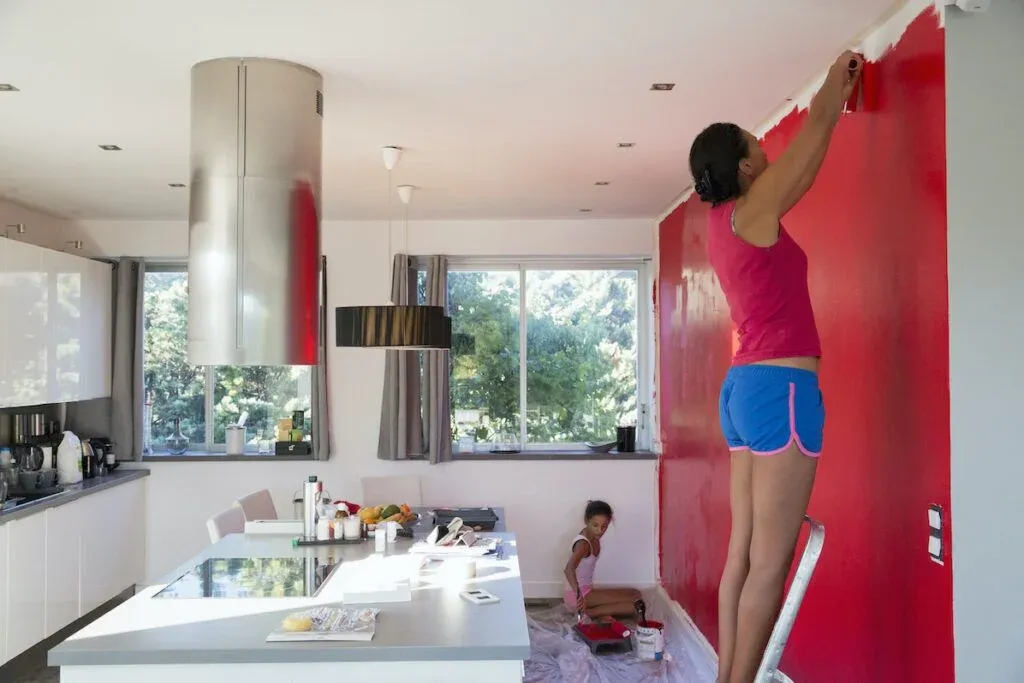
Do some cosmetic renovations, such as adding a lick of paint, changing the colours of the cabinets, etc.
Use refurbished appliances with a warranty.
Try to stick to your plan and budget to remodel your kitchen in order to avoid overspending.
Chat with our Mortgage Brokers today to see if you can get a loan to help with your kitchen renovations. Call us on 1300 088 065 orcomplete a free assessment today.
Now that you have identified the process and costs around renovating a kitchen and how to lower the cost generally, it’s time to get into the specifics. You can use the following cheap kitchen ideas to help renovate your kitchen on a budget.
How to get a ‘marble’ benchtop on any budget
Marble benchtops are all the rage at the moment, but you can get the same look and feel with cheaper alternatives like soapstone, granite or porcelain.
Note that as of July 1, 2024, the use, supply, and manufacture of engineered stone has been banned in Australia
There are many affordable but nice alternatives to marble countertops
In 2026, you aren’t limited to “safe” options; you’re choosing from materials that actually outperform the old quartz surfaces in heat resistance and durability.
While many materials are now available, three specific categories have emerged as the frontrunners for modern Brisbane renovations:
Porcelain Slabs: Essentially a giant, high-tech ceramic tile. Porcelain is fired at over 1,200°C, making it nearly impervious to heat, stains, and UV light. It’s the go-to for that seamless, “thick slab” look without the weight.
Sintered Stone (e.g., Dekton or Neolith): Often confused with porcelain, sintered stone is made using “Sintering Particle Technology”—a process that mimics the metamorphic change of natural stone in minutes. It is arguably the toughest surface on the market, rated for both indoor and outdoor use.
Mineral-based Composites: These are the “new” version of engineered stone. Brands like Caesarstone’s Mineral Collection use a blend of recycled glass and natural minerals to achieve the classic look you love, with 0% crystalline silica.
What to consider when choosing your splashback
Splashback is often one of the main focal points of a kitchen, so consider the style of your home that you are trying to achieve.
First, choose the material that you would like for the splashback. This is usually glass, stainless steel, pressed metal and tiles. Traditionally, tiles and pressed metal are the more common options.
Then, when it comes to choosing the colour, ask yourself, do you want the benchtop or the splashback to take centre stage?
Ask yourself if you want the splashback to take centre stage… if so, then use a bold color or design.
If your benchtop is a bold colour or texture, consider using a neutral splashback to avoid clashing.
If you’re going for a minimal look and style, consider using neutral tones for your benchtop and splashback. A unique idea is to use the window as a splashback, which will also add light to the kitchen.
Which sink and tap combo is right for you?
When it comes to kitchen renovations, It’s all about the finishings.
The details in your kitchen can transform the overall look, and one of the finer details includes the sink and tap combination.
Keeping in line with your kitchen’s decor is important at this point. To begin with, you’ll need to determine if your style is sharp and angular or soft and curvy.
The finishing of your sink matters, too.
Three most common kitchen finishes:
Enamel is made from cast iron and then covered in enamel. These types of sinks are strong and weigh a lot, but the problem is that the enamel can wear away.
Stainless steel sinks are a popular, durable option and can come in other colours like copper and gold. However, an issue with this material is that it scratches easily, is of low quality and can be noisy when washing dishes. So consider using heavier steel and adding insulation.
Composite is made from quartz, granite and resin. It is a highly durable and scratch-resistant material. However, sometimes boiling water can crack the composite, and watermarks may be left.
Now that you’ve decided on the shape and material of your sink, it’s time to figure out how it will be installed.
It’s now time to figure out how the sink will be installed.
Best Ways To Install Your Sink
There are three ways a sink can be fitted: top mount, under mount and flush mount. Which one you choose is determined by where the lip of the sink sits in relation to the kitchen bench.
Top mount is when the sink sits above the bench. It is good for benchtops that need protection from water and moisture. The lip of the sink stops water from spilling out.
An under-mount goes well with marble benchtops, as the benchtop is exposed to water and can handle it.
A flush mount keeps the lip of the sink in line with the benchtop, giving it a clean, streamlined feel.
Best Tap Combos
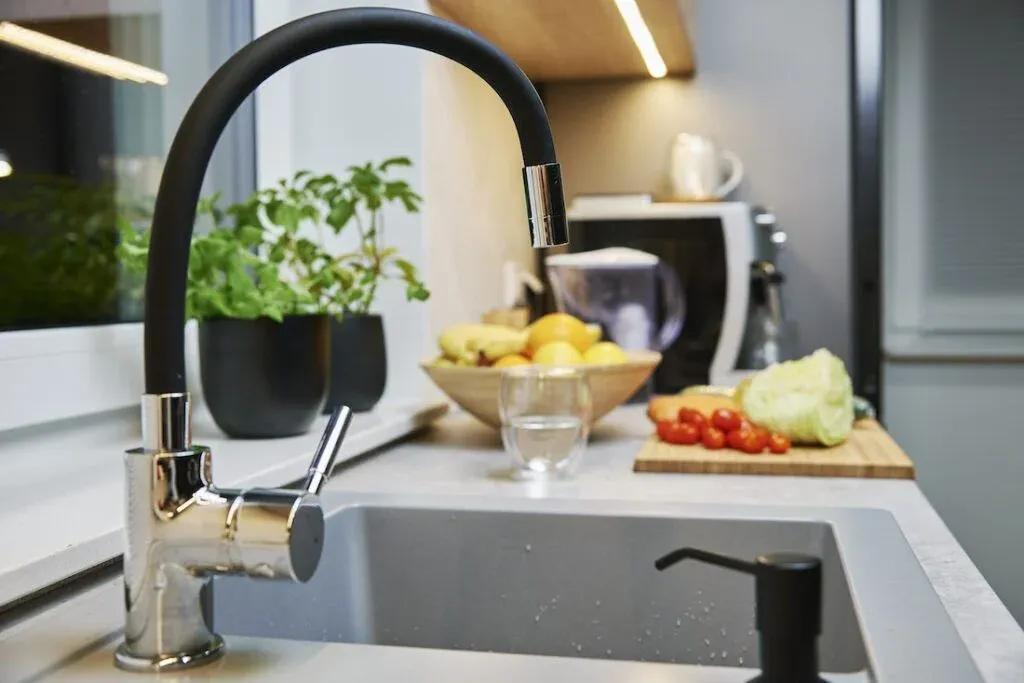
To finish your sink installation, the perfect tap fitting is needed. One thing to keep in mind is to make sure that the tap extends up high enough to fit pots and pans into the sink under it. The tap should have just one handle to make it easier to go between temperatures.
For a quick way to renew the look and feel of your kitchen, replace taps and handles to give it a new, modern look. Handles can change the entire look of your kitchen, so consider trying this first if you’re not quite ready for a total renovation.
If you are not ready for a total renovation, you can switch out your tap fittings
Now that you’ve got a clear idea of the finishes and designs you’re after, it’s time to get your floor plan in order.
In this section, we’ll show you how to ensure your kitchen layout maximises your space. We will also show you some of the most popular kitchen layouts.
Kitchen floor plan preparation
Start by taking the measurements of your room and determine if the current kitchen space being used is missing anything – i.e. space for a pantry or dishwasher.
Now, it’s time to choose the layout of your kitchen to maximise your space. Here are the most popular layouts, with the benefits and downfalls of each.
Floorplan one: The island bench
In our family home, the island bench ruled the kitchen!
It’s a social way to cook and adds so much extra space for preparation. But the downside is that you will need a lot of space in your home.
Size: The average size of a kitchen island is about 1 metre by 2 metres with a clearance of about one metre around it.
Benefits:
Can be designed with a built-in sink or hotplate.
Connects the kitchen and the home by adding a communal benchtop space.
Extra storage underneath can be utilised.
Downfalls:
More space to keep tidy and clean
Leaves less floor space for the rest of the home
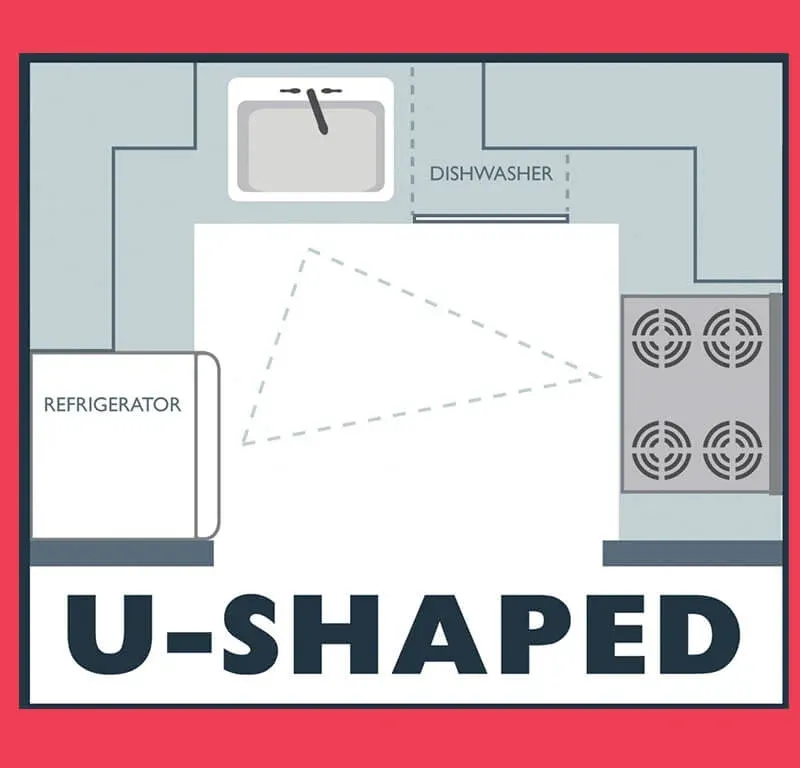
Floorplan two: U-Shaped kitchen
U-shaped kitchens have a wonderful flow when done in the right way. However, spaces too big can often make it difficult to move around easily.
This style of kitchen is good for families or multiple cooks working together. Put the dining table in the middle for a smooth transition between preparing and serving food.
Benefits:
The kitchen eases nicely into the living area
Great use of wall space
Fits many cooks so that families can work together
Downfalls:
All the cabinets covering the U-shape can be bulky and closed in if not well-considered
Not always considered a modern kitchen layout
Too much space between work zones can be a hassle
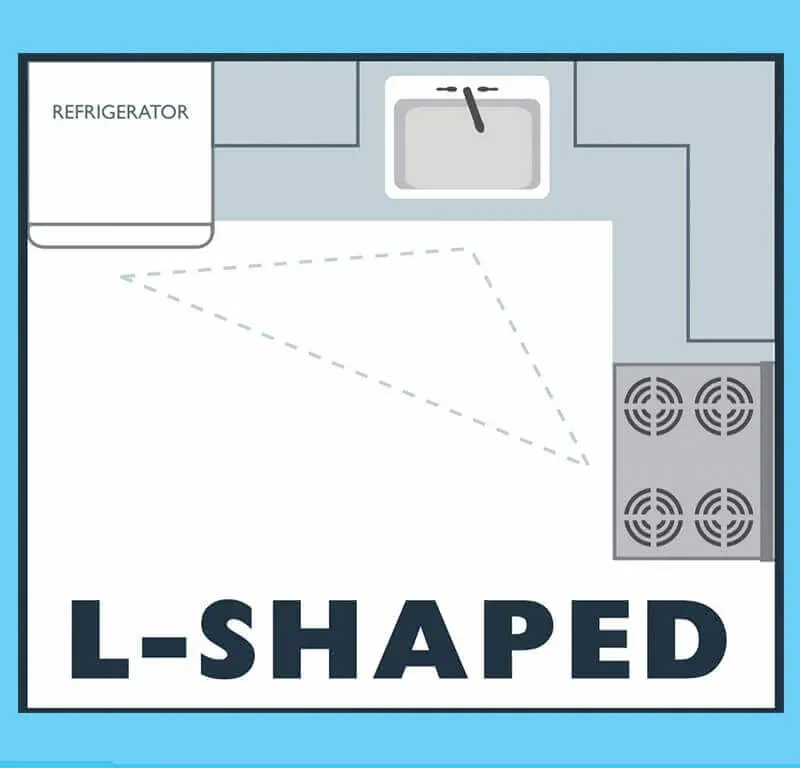
Floor plan three: L-Shaped Kitchens
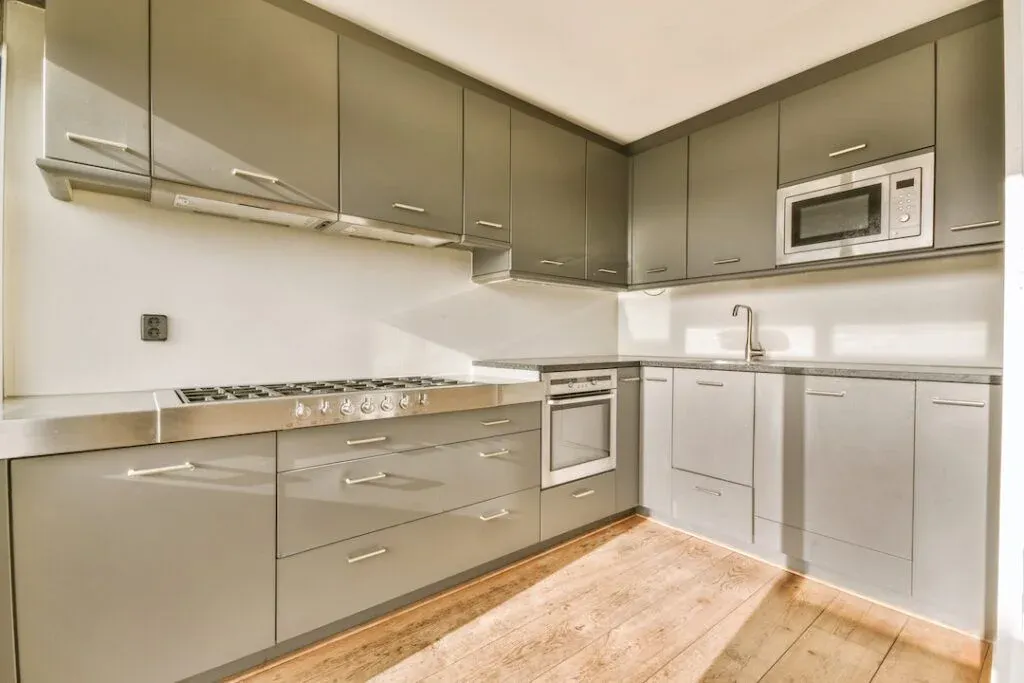
L-Shaped kitchens work well to combine dining space with the kitchen. Aim to put the tall items like the fridge, pantry and oven on one side and the bench with the sink on the other end. L-shaped kitchens work well for two people to cook together.
Benefits:
Popular layout due to the ability to fit in most spaces
Stylish and social
Downfalls:
The flow of the kitchen doesn’t always work well
Depending on the size of the kitchen, sometimes bench space can be lacking
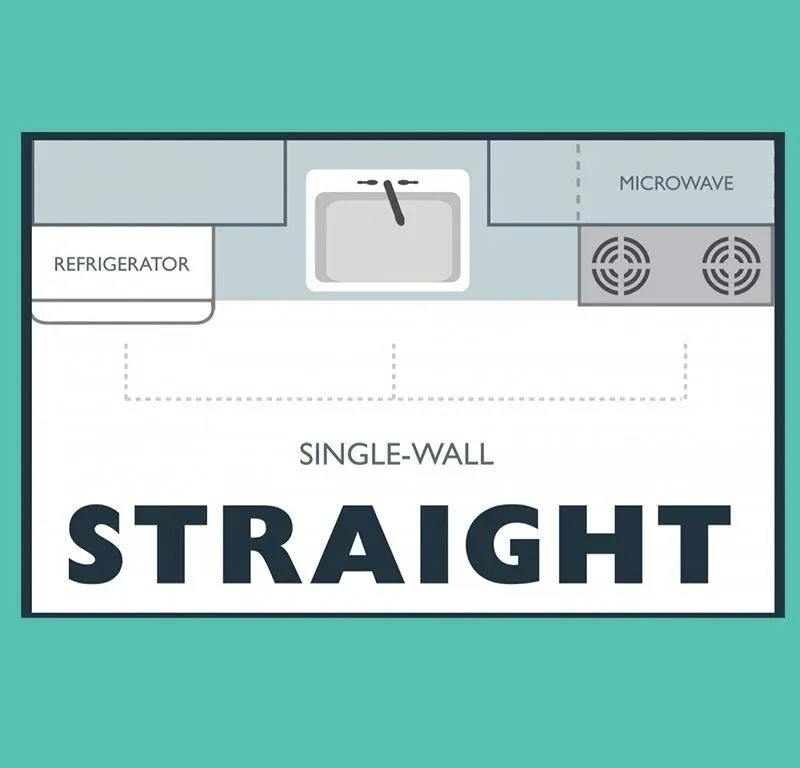
Floorplan four: Straight-line kitchens
Perfect for small apartments or those wanting to use the kitchen as a dining space, too. Put appliances on each end of the bench and the sink and cooktop in between.
Benefits:
Great for square kitchen layouts with limited wall space
Minimal, simple style integrating the living area with the kitchen
Downfalls:
The design can look cluttered, so pay attention to where appliances go.
Can be a small or cramped space if wall space is limited with limited bench space.
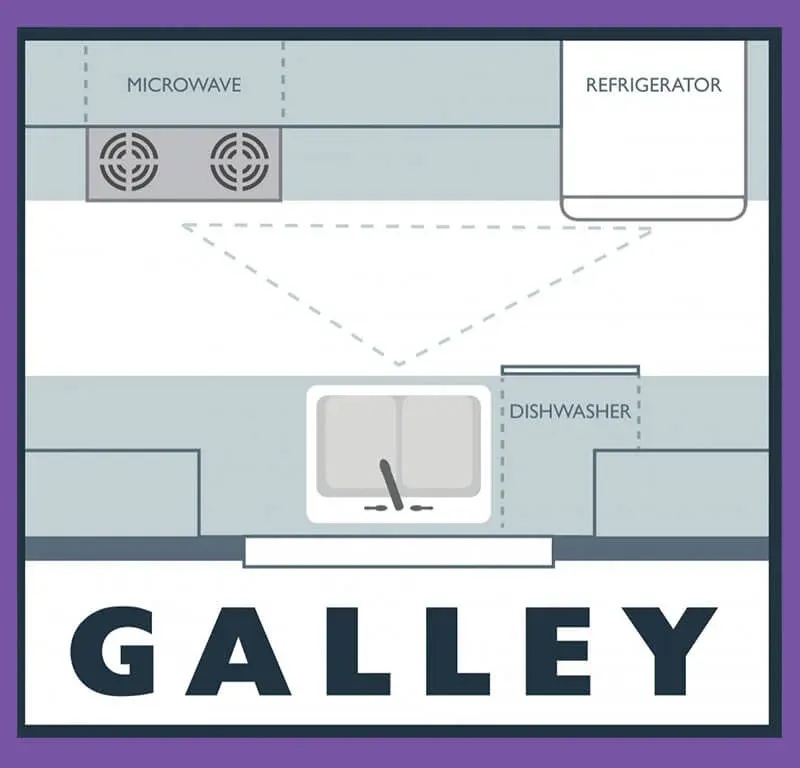
Floorplan five: Galley kitchens
A galley-style kitchen makes great use of space and works well in narrow houses with a small space. Corridors, as well as narrow areas, can be utilised, with a focus on function over a social layout.
Benefits:
Passageways and small spaces can be transformed into a kitchen
Full-length cupboards can make use of the total wall space.
Downfalls:
In very small spaces, the kitchen can be small and dark.
The layout can be antisocial if it’s not closely connected with the dining room.
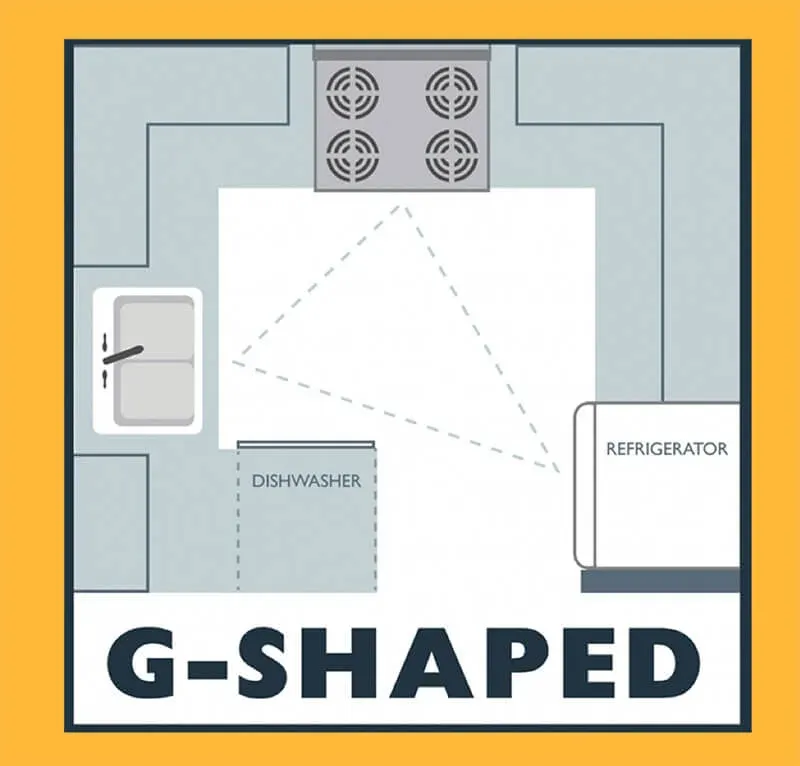
Floor plan six: peninsula kitchen/G Shaped
How To Renovate A Kitchen Yourself
Now, if you are feeling really adventurous, you can consider renovating the entire kitchen yourself.
With Ikea’s made-to-measure system tradespeople being more accessible than ever through tools like SeekingServices, now could be the right time to renovate the kitchen yourself and save some money. Steps in Renovating Your Kitchen
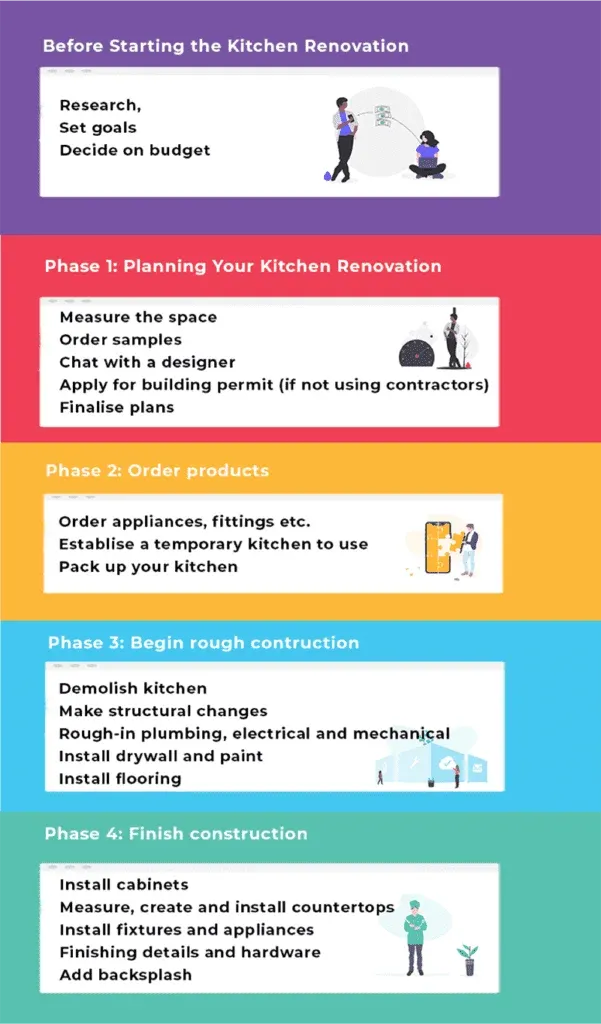
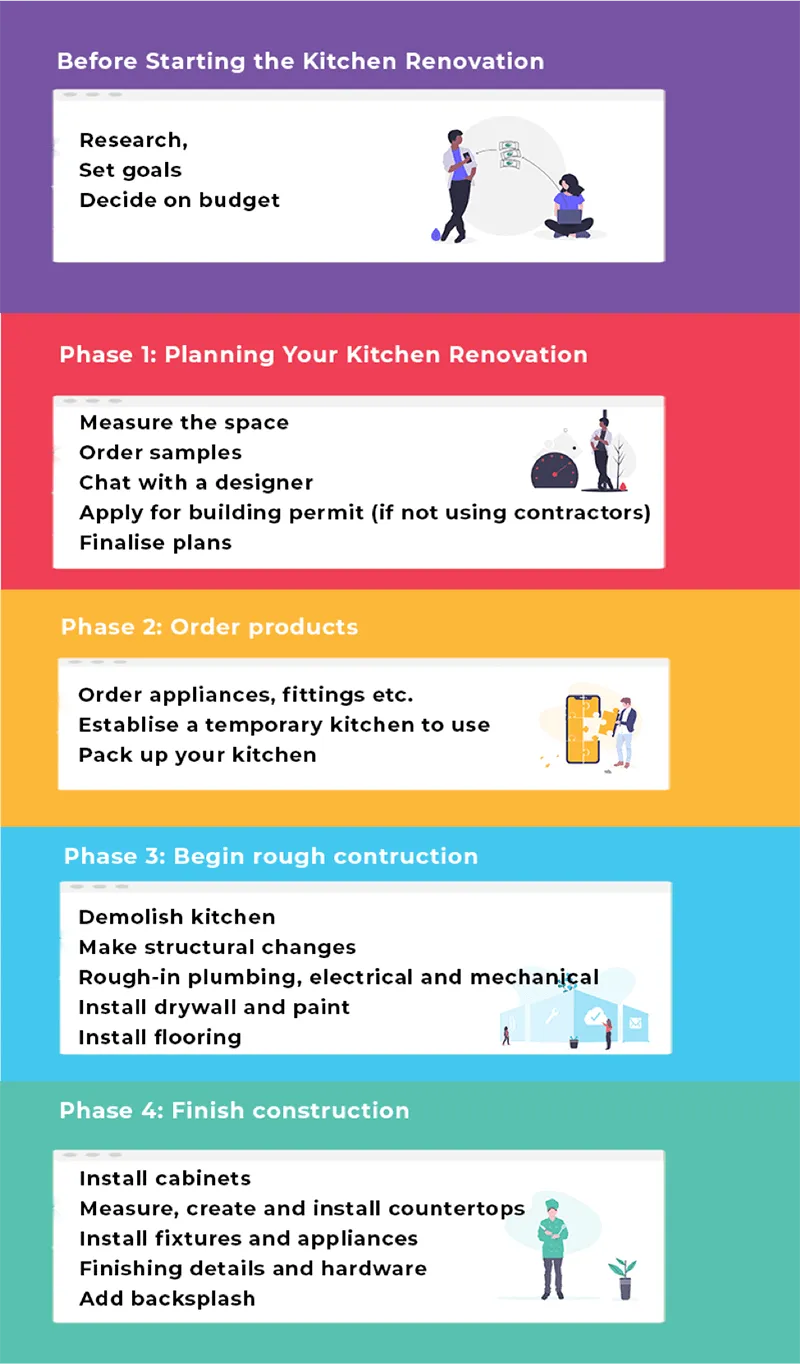
Are you ready to rip into your kitchen renovation? Follow our step-by-step infographic (or download ithere) to walk it through yourself.
Similar to increasing your existing home loan, aconstruction loan will take into account the ‘on-completion value’ of your home after renovation.
Put another way, if your house is worth $500,000 with a rubbish kitchen and the valuer thinks your $20,000 renovation will increase the property value to $520,000 – the bank will lend off this higher value.
So, if you’re looking for more money and there isn’t equity available, aconstruction loan might be a good option.
Scenario 3: Personal Loan
A personal loan is only advised if you are doing a few cosmetic renovations. But you should still tread carefully because interest rates on personal loans are higher than home equity loans.
If just a few cosmetic renovations are what you have in mind, then a personal loan could be all you need.
You’re looking at around $30,000 max, but there is a catch… Interest rates on personal loans are higher than on standard home equity loans. So proceed with caution and do your research.
While manyguides might say a personal loan can help you get the renovations started quicker, they forget to mention that the advertised interest rate is more of a starting rate – rather than the final rate.
If you’re considering a personal loan, speak with our expertmortgage brokers to see what your options are – or give us a call on 1300 088 065.
Traditional and family-owned business, Kitchens are custom-made.
Contemporary, provincial, farmers.We ensure that each project is suitable to a client’s individual needs and lifestyle, inspired by the latest style, trends and designs.
Quality workmanship
Budget friendly
Frequently Asked Questions About Kitchen Renovations
How much does a kitchen renovation cost in Australia in 2026?
A basic refresh starts at $30,000, while full bespoke renovations typically range from $50,000 to $80,000+ due to rising trade and material costs.
Is engineered stone still banned in 2026?
Yes. Any stone containing 1% or more crystalline silica is prohibited. Homeowners must now use “Zero-Silica” minerals or porcelain.
Do I need council approval for a kitchen reno in Brisbane?
Generally no for internal cosmetic work. However, you do need approval for structural changes (removing walls) or relocating major plumbing/gas lines in apartments.
Which is better for ROI: Induction or Gas?
In 2026, Induction is preferred for ROI as buyers prioritize energy efficiency and “future-proofed” electric homes.
How long does a kitchen renovation take in 2026?
Expect 4–8 weeks for on-site work, but allow 3–4 months for planning and custom cabinetry lead times.
Can I redo my kitchen for under $10,000?
Only for “cosmetic flips” (painting cabinets/new handles). A full structural renovation at this price point is no longer realistic in the 2026 market.
What is a "Golden Triangle" alternative?
Modern designers use “Zoning” (Cleaning, Cooking, Prep, Consumables, and Social zones) to handle larger, multi-cook households.
Will a new kitchen increase my home's value?
Yes, typically by 50% to 80% of the renovation cost, provided you don’t overcapitalise (keep the spend under 10% of total home value).
Next Steps And Getting Your Kitchen Renovation Started.
Are you wondering where to even begin with kitchen renovations?Our team at Hunter Galloway is here to help you get a kitchen renovation loan in Australia.
Unlike other mortgage brokers who are just one-person operations, we havean entire team of experts dedicated to helping make your home loan journey as simple as possible.
If you want to get started, please give us a call on 1300 088 065 orbook a free assessment onlineto see how we can help.
Our team of home loan experts is here to help you with your kitchen renovation loan.
Ready to take the next step toward buying? We’re happy to help.Schedule a call today with a home loan expert from Hunter Galloway, who is the home of home buyers.