


Why can a bank reject the property?
A lender checks the property's size, title, legal use, zoning, access, services, condition and insurance. It can also limit lending in a particular building. A bigger deposit can help with some loan limits, but it will not fix a property the lender refuses to accept.
Choose your property guide
Apartment home loans
Buying a studio or small unit? Check the floor-area rules, studio limits and the cash you may need.
Read guideHome loans for apartments with building defects
Does the building have cladding, defects or a special levy? Check the repair plan, levy, insurance and what the lender needs.
Read guideHigh-density apartment home loans
Bank rejected the building or asked for a bigger deposit? Check postcode and building exposure limits.
Read guideHow to challenge a bank valuation
Valuation came in below the price? Work out the cash gap and the evidence to send.
Read guideHome loans near power lines and easements
Near power lines, an easement or a motorway? Check the lender's distance rules and the title.
Read guideRural property home loans
Buying acreage or a rural home? Check land size, zoning, services, access and any income from the land.
Read guideUnusual property home loans
Company title, leasehold, two dwellings or a shop below? Check whether the lender accepts the title and use.
Read guide
When should the property be checked?
A general pre-approval usually checks your income, debts and deposit. It may not assess the apartment, land or house you eventually choose.
Ask me to check the property before you make an unconditional offer, bid at auction or reach your finance deadline. I then answer 3 questions:
Property details
What is it legally and physically? Check title, approved use, size, condition, access and services.
Lender acceptance
Will the selected lender accept that property, and does it reduce the maximum loan?
Accepted valuation
What value did the lender's valuer give the property, and how easy did they think it would be to sell?
Apartments need checks on the unit, building and use
For an apartment, I check the internal area, bedroom layout, building size, lender exposure, permanent occupation and any management agreement, as well as the postcode.
A lender might accept a 36 sqm studio while another rejects it. A normal unit can also fail because the lender already has too many loans in the tower. A purpose-built student or serviced apartment may fit the size rule but still have use and resale restrictions.
Our apartment mortgage guide covers small units, studios and specialist-use apartments. If the concern is the building rather than the individual unit, read the guides on high-density apartments and lender exposure or apartment building defects.
Why do the title and legal use matter?
Company title, stratum title, leasehold, several dwellings on one title and mixed residential and commercial use are not ordinary freehold or strata properties.
I start with the title search, registered plan, approved use and valuation wording. For company title, the company documents and occupancy rights matter. For leasehold, compare the years left on the lease with the proposed loan term. For mixed use, line up the title, zoning, approved use, actual use and the valuer's classification.
A low loan percentage does not automatically fix a title or use the lender will not accept.
The unusual property home loan guide explains how these title and use questions change the lender comparison.
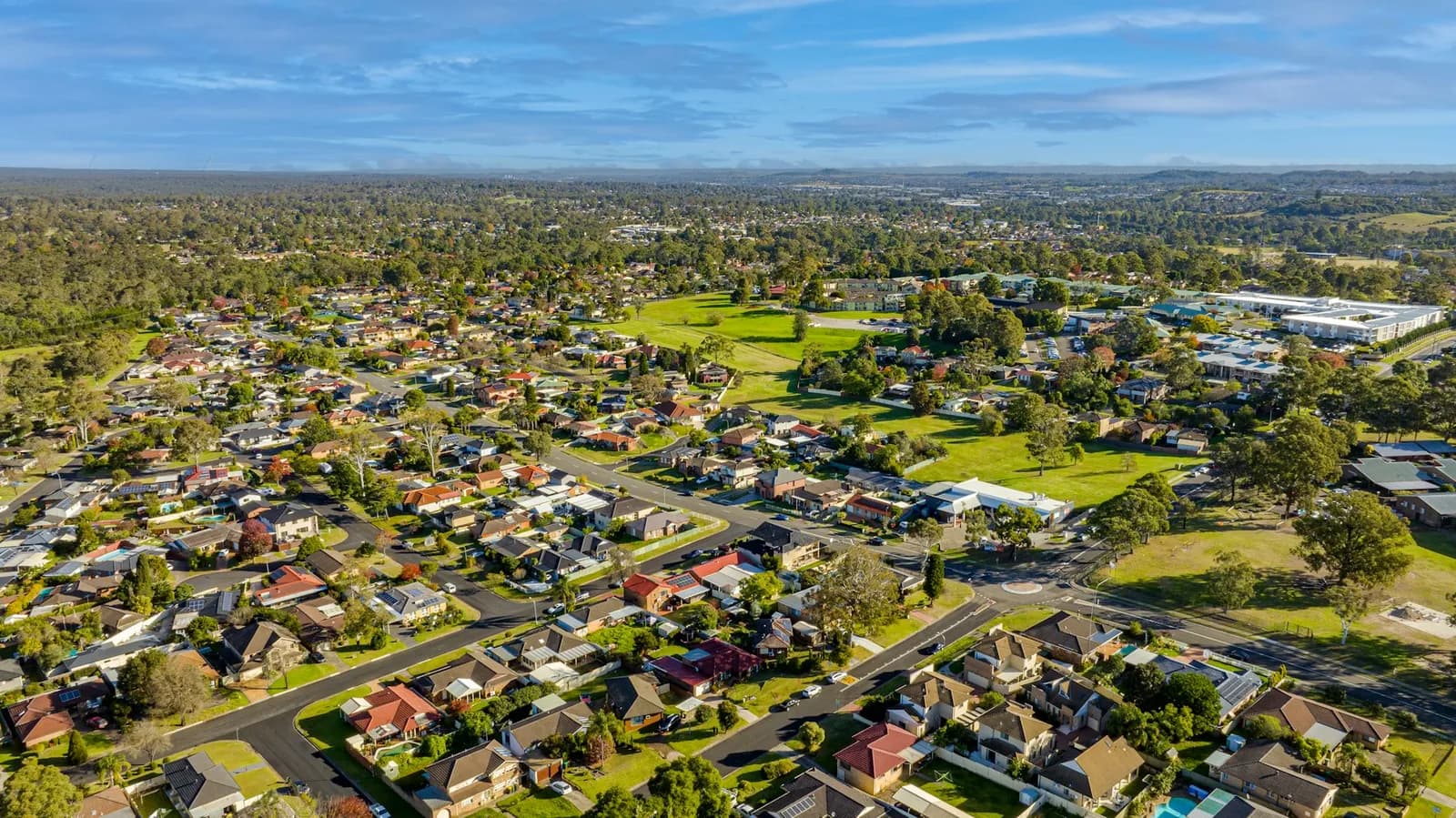
Vacant land and completed homes have different loan rules
The lender may look at location, land size, zoning, services, legal access, intended use and when construction will begin. A block held for later is a different request from land tied to a fixed-price building contract.
Use the vacant land home loan guide for the land decision. If a build is involved, the construction guide explains the loan and payment process.
Acreage is not automatically a farm
The bank needs to decide whether this is an ordinary home on a larger block, or a property tied to farming, commercial improvements or specialist use.
I check the zoning, land size, legal access, mains or off-grid services, improvements, current use, income relied on and valuation.
A location can be close to Brisbane and still need a different check because access, services or the buyer pool are limited. Equally, acreage does not mean the bank should automatically demand a farm-sized deposit.
The rural property home loan guide goes through acreage, zoning, access and services in more detail.
Lenders assess power lines, easements and motorways differently
Several lenders publish a 50m powerline rule, but they do not all measure or apply it in the same way. Some start from the property boundary, one current policy starts from the residential building and another excludes areas affected by high tension powerlines or a motorway without publishing any distance.
A title easement is a different question. Your solicitor needs to explain the legal effect. The lender and valuer then decide whether it affects how you can use the property, its value or how easy it may be to sell later.
The power lines and easements home loan guide explains the different distance rules, measurement points and title checks.
How do defects and location risks affect the loan?
The lending options depend on the problem, whether it is cladding, structural work, water ingress, flood risk or a special levy.
I would ask what has been identified, who confirmed it, what it costs, how the work is funded, whether insurance is available and what the valuer says. For a strata property, recent minutes, engineering reports, remediation contracts and levy or strata-loan terms can matter more than a generic building label.
For strata problems, use the apartment building defects guide. For a Queensland property affected by flood mapping, the FloodWise property report guide explains where to start.
Off the plan adds timing and completed-value risk
An early pre-approval can expire before settlement. The final valuation can also be lower than the contract price, especially if the market or comparable sales have changed before completion.
The off-the-plan home guide covers settlement timing, valuation and developer-risk questions.
A rejected property and a low valuation need different responses
A lender can accept a property but value it below the price, which increases the cash you need. Refusing the title, use, building or condition is a different decision.
If the property is acceptable but the value is low, use the bank valuation challenge guide. If a property rule is the blocker, look for a lender whose current policy fits the property. Another valuation will not necessarily fix a property rule, and it will not fix a loan your income cannot support.
What should you send for a property check?
- Address and contractThe full address and listing, plus the contract if you have signed.
- Property detailsThe title or plan, internal floor area or land area, and any known restriction.
- Loan and cashPurchase price, proposed loan, deposit and money set aside for buying costs.
- Your deadlineThe finance deadline, auction date or expected settlement date.
- Existing reportsAny lender response, valuation, building report or body corporate concern already received.
If you are using a low-deposit scheme or family guarantee, tell us at the start. The property still needs to meet the selected lender's requirements. Send the documents you already have; we can identify the next check before you pay for more reports.
Frequently asked questions
Related guides
Apartment home loans
What lenders check about size, location, title and building risk.
Read guideChallenge a bank valuation
What to do when one valuation leaves you short.
Read guideCheck a property for flood risk
Use the available report before finance and contract deadlines.
Read guideQueensland property disclosure
What sellers must disclose and what buyers should still check.
Read guideHow to value a property
Use comparable sales and more than one source before you offer.
Read guideLVR calculator
Compare the property value with the loan amount the lender is being asked to approve.
Read guide

Experience and sources
How this guide was checked
Reviewed 29 September 2026 by Jayden Vecchio.
Confirm the selected lender's requirements for your property and obtain advice on the relevant title, building and contract questions.

Nathan is a director and mortgage broker at Hunter Galloway. He has worked in mortgage broking since 2015, helping home buyers, property investors and borrowers whose applications have been declined elsewhere.
Check my property before I make an offer
Send me the documents you have from the list above. I will explain what we need to check first.
Check my propertyor call 1300 088 065
This guide is general information, not loan approval, valuation, legal, property, engineering or insurance advice. Property and lender rules can change. The exact address, borrower and loan need to be assessed before making a decision from the result. Hunter Galloway Finance Pty Ltd T/A Mortgage Broker Brisbane - Hunter Galloway ABN 20 605 252 926. Credit Representative 476903 is authorised under Australian Credit Licence 389328. Your full financial situation would need to be reviewed before any offer or product is accepted.