


Can the building still be financed?
It can be. The lender needs to understand the work still required, how it will be paid for, and whether the building can be insured and valued. If you are under contract, check this before relying on your pre-approval.
Client story
Peta's first lender saw the word cladding and rejected the building
Peta was buying a Brisbane apartment for $620k and needed a $496k loan. The building records mentioned aluminium composite panel cladding on part of the exterior, and the first lender rejected the security.
I obtained the body corporate fire and rectification material and arranged a physical valuation through another lender. That let the second assessment deal with the actual building evidence instead of stopping at the cladding label.
- Loan rejected
First lender after the cladding flag
- Loan approved
Second lender after reviewing the evidence
What should you do if you are already under contract?
Send me the contract price, proposed loan, finance date and the report that raised the issue. Ask your solicitor or conveyancer what the contract requires, including whether you need to give notice or can request more time. For the loan, I would put the questions in this order:
Identify the issue
Confirm whether the concern is cladding, water ingress, structural work, fire compliance, flood, insurance or a special levy. Each needs different evidence.
Confirm the remaining cost
Identify the work still needed, its cost, funding and timing, and what you will owe after settlement.
Check insurance and value
Use the current insurance and the lender's valuation. The listing cannot confirm either.
Check lender acceptance
Confirm the current property rule and any building-specific referral before submitting the full application.
A special levy can increase your upfront and ongoing costs
Check how the levy will be collected: one payment, quarterly instalments or repayments on a strata remediation loan.
Example: an $18k levy due over 12 months
Quarterly payment during the levy year
Example only. Actual due dates, strata-loan interest, fees and body corporate contributions change the result.
The lender may include the levy in your household budget and check that the repair funding is enough to finish the work.
Who pays the levy when you buy?
Ask your solicitor to check approved levies, payment dates, arrears and any strata loan, then explain your obligations and settlement adjustments under the contract. Do not assume the seller pays every levy announced before settlement. Queensland's buyer guidance warns that outstanding body corporate debts can affect a new owner; its selling guidance explains the need for current figures.
Client story
Sarah's $18,500 levy before settlement
A client we'll call Sarah was buying a 2 bedroom unit in inner Brisbane. Her finance was approved and the building inspection had passed. Before settlement, her conveyancer found an $18,500 special levy in the body corporate records. It was for facade waterproofing approved before Sarah signed the contract.
- $18,500
Special levy
Sarah's responsibility under her contract.
- $15,000
Agreed price reduction
Reduced the impact but did not cover the whole levy.
Sarah negotiated the price reduction with the seller. Her experience shows why the body corporate records need a separate review, even when the building inspection has passed.
What will the lender want to know about the defect?
More likely to be assessed case by case
Work is scoped and funded, current reports exist, insurance is available and the valuer can explain the remaining risk.
More likely to stop the loan
The cost is unknown, insurance is unavailable, an order is unresolved, the repair plan is unfunded or the lender marks the development unacceptable.
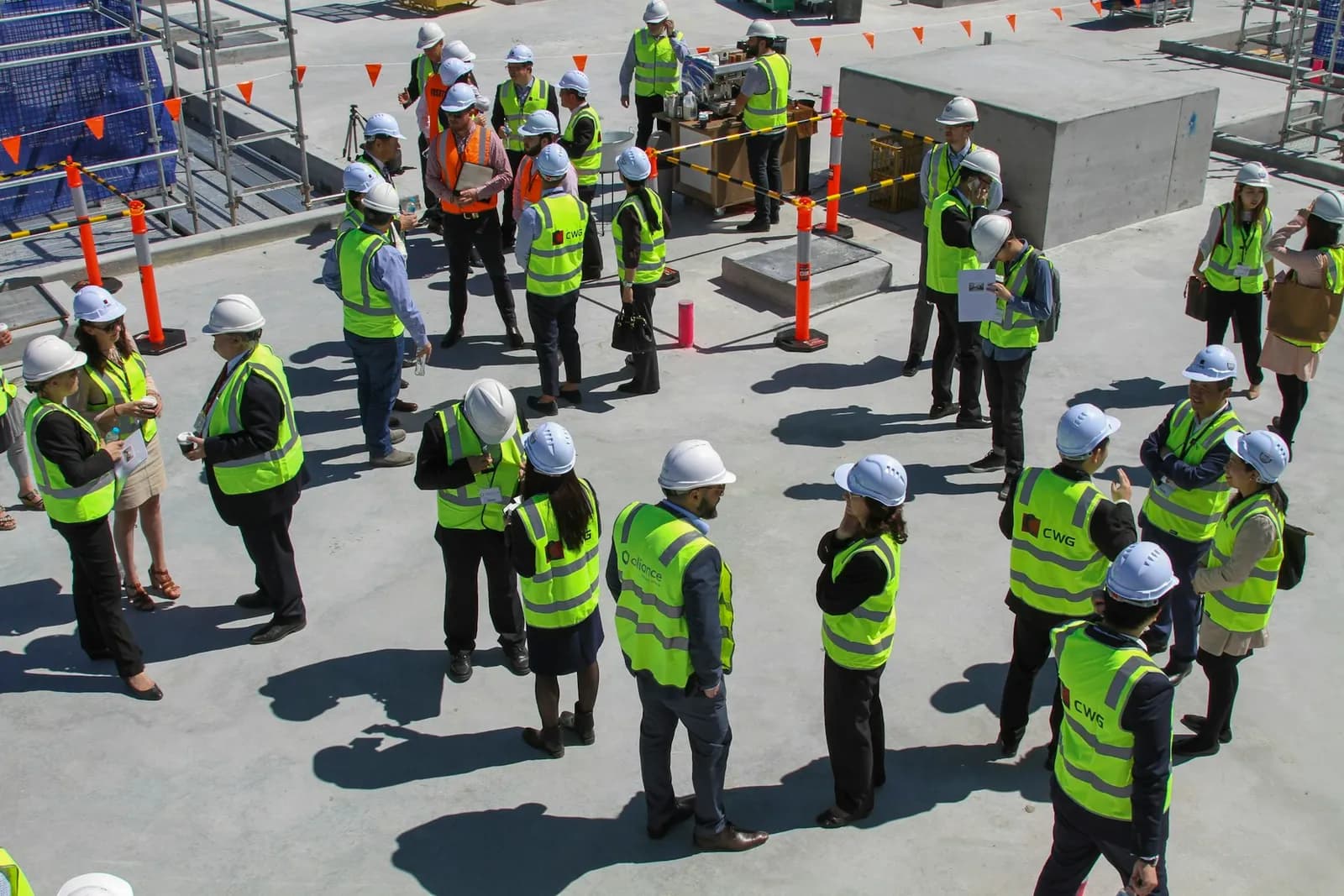
Which documents can change the answer?
Group the documents by what they confirm, and check which ones the lender needs before paying for reports.
- Building issueRecent body corporate or strata meeting minutes, engineering, fire-safety or building reports, and any orders.
- Repair planRemediation scope, signed contract, total cost, funding, sinking fund or capital-works position.
- Your share of the costYour share of the levy and any strata-loan terms, plus the contract price, proposed loan, finance date and cash available.
- Insurance and valuationCurrent building insurance, exclusions, valuation comments and the lender's decision on the development.
How do you get the records?
Ask the seller or body corporate manager what is available, and arrange a records search where needed. In Queensland, the seller generally needs to give you the body corporate certificate and a seller disclosure statement before you sign. Check them for levies, insurance and the latest financial statement, then ask for the minutes and reports they do not cover. For cladding, the body corporate can tell you the building's status under the Queensland Safer Buildings program. In Queensland, buyers can seek access to body corporate records; the official access guide explains the process. A unit inspection and a body corporate records review answer different questions, so one does not replace the other.
Work planned or work completed?
Ask for the agreed scope, invoices, completion evidence and relevant professional sign-off. An approved budget or paid levy does not prove the defect has been fixed.
Who is funding the remaining work?
Check cash already available, levies and borrowing. If the plan relies on a builder, warranty claim or litigation, ask the legal adviser about recovery and timing instead of treating an expected payout as money in the bank.
The Consumer Affairs Victoria apartment checklist is also useful for questions about planned works, warranties, insurance and proceedings. Follow the requirements for your state and building.
Buying, refinancing and selling create different finance problems
If you are buying
The questions are whether the lender accepts the building and whether you can afford the obligation that remains after settlement.
If you already own it
A new lender may need to accept a building under remediation and include the levy or strata-loan commitment in the assessment. Check whether the building and loan fit before lodging a refinance or equity application.
If you are selling
The finance risk is whether the next buyer can obtain a loan. Your solicitor or conveyancer needs to advise on disclosure and legal obligations.
Cladding needs a building-specific answer
For cladding, confirm the material, location, extent, fire assessment, any orders and the repair, funding and insurance position. Lenders may rely on the valuation, a development register or a manual review by the lender's credit team rather than one universal rule.
Do not read a finance approval as 'the building is safe'. The lender is deciding whether it will take the property as security, and its valuation is not a fire-safety certificate. A qualified building or fire specialist must advise on the physical risk. The Australian Property Institute's cladding protocol separates the valuer's observations from the building and compliance enquiries that may still be needed.
How do flood, power lines and easements affect the loan?
Check whether the issue affects insurance, value, legal use, access or resale.
For flood, identify the mapping, known event history, damage, remediation, dwelling position, insurance and valuation. For power lines or an easement, identify the line type, location, registered easement, position of the dwelling and the valuer's comments.
The bank is not deciding whether living near a power line is safe. It is deciding whether it will accept the property for the proposed loan.
Use the power lines and easements guide for distance rules and title checks. The FloodWise guide explains the Brisbane flood report.
How valuation and insurance affect approval
A valuer may accept the apartment with a risk comment, reduce the value or request more information before the lender decides. A building can also be difficult to finance if suitable insurance is unavailable, even when the unit itself looks normal.
If the problem is a factual valuation error or weak comparable sale, use the bank valuation challenge guide. A challenge is not a way to erase a correctly identified defect.
Frequently asked questions
Related guides
Home loans by property type
Start with the property checks that apply to your purchase.
Read guideApartment home loans
What lenders check about size, location, title and building risk.
Read guideChallenge a bank valuation
What to do when one valuation leaves you short.
Read guideCheck a property for flood risk
Use the available report before finance and contract deadlines.
Read guideQueensland property disclosure
What sellers must disclose and what buyers should still check.
Read guideHow to value a property
Use comparable sales and more than one source before you offer.
Read guideLVR calculator
Compare the property value with the loan amount the lender is being asked to approve.
Read guide
Experience and sources
How this guide was checked
Reviewed 29 September 2026 by Joshua Vecchio.
Confirm the selected lender's requirements for your property and obtain advice on the relevant title, building and contract questions.

Nathan is a director and mortgage broker at Hunter Galloway. He has worked in mortgage broking since 2015, helping home buyers, property investors and borrowers whose applications have been declined elsewhere.
Sources
- Queensland Government: buying into a body corporate
- Queensland Government: body corporate information when selling
- Queensland Government: accessing body corporate records
- Consumer Affairs Victoria: apartment buyer checklist
- Australian Property Institute: cladding and valuations
- Queensland Government: Safer Buildings
Check whether my finance still fits this building
Send me the contract price, proposed loan, finance date and the reports you already have. I can compare the loan options and tell you which lender or valuation questions need answers.
Check my finance against the buildingor call 1300 088 065
This guide is general information, not loan approval, valuation, legal, building, engineering, insurance or property advice. Lender and building positions can change. The exact property, borrower and proposed loan need to be assessed. Hunter Galloway Finance Pty Ltd T/A Mortgage Broker Brisbane - Hunter Galloway ABN 20 605 252 926. Credit Representative 476903 is authorised under Australian Credit Licence 389328. Your full financial situation would need to be reviewed before any offer or product is accepted.
Client examples are based on real situations. Names and identifying details have been changed.