


Gold Coast houses and units went in opposite directions in the June 2026 quarter. Check which property type and period a headline describes before using it to set your budget.
That doesn't mean every apartment became cheaper or every house went up. Compare the type of home you want, not one regional headline.
The figures cover the Gold Coast local government area, or LGA, not one suburb. Use them to get your bearings, then compare actual properties within your budget.
The house and unit numbers
| Gold Coast LGA | June-quarter median | Quarterly movement | Recorded quarterly sales |
|---|---|---|---|
| Houses | $1.42m | +1.79% | 1,456 |
| Units | $930k | -1.74% | 1,330 |
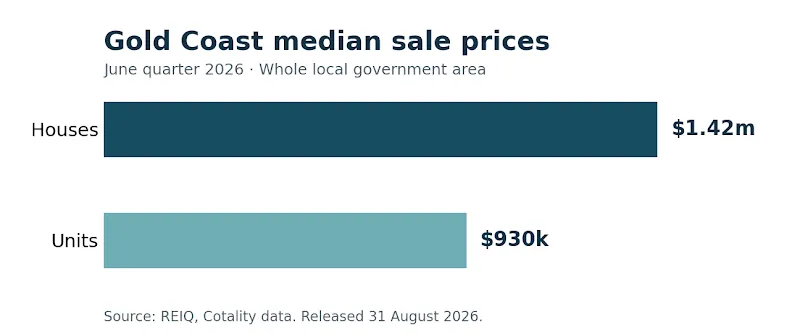
REIQ released these Cotality-based figures on 31 August 2026. They cover sales from April to June, not October valuations.
A median is the middle recorded sale. If a different mix of homes sells, the median can move even if comparable individual properties haven't changed by the same amount.
A beachside apartment, an inland house and a northern-corridor townhouse aren't interchangeable purchases. Start with the type of property you want and the area you'd live in, rather than treating the regional median as your price guide.
Why reports disagree
A PropTrack report published on 1 October 2026 put Gold Coast house values down 0.97% over the quarter to August. It measures estimated values over a different period from REIQ's June-quarter recorded sale prices.
The two results don't cancel each other out. Dates, methods and the mix of homes differ.
Before comparing a fresh headline with these figures, check what it measures and which months it covers.
Set your budget first
Write down your purchase ceiling and the cash you want left after settlement. Test the repayment against real spending. The bank's maximum isn't a target.
Allow for transfer duty where payable, conveyancing, inspections, moving and repairs you can already see coming. For an apartment or townhouse, get the body corporate budget and check for identified special levies.
Comparing a house with a unit? We can work through the deposit and loan needed for each price, then include the property's ongoing costs. A lower purchase price doesn't always mean a lower cost to own.
Test the repayment against your real household spending, including annual bills. What happens if an income drops for a while? If buying uses the whole buffer, the budget needs another look before the offer goes in.
Our first home buyer guide covers deposits, assistance and pre-approval. If you're relying on the 5% deposit scheme or another form of assistance, check the property and applicant details before putting it into your offer budget.
A regional median doesn't prove a particular home is eligible.
Compare like with like
For each serious candidate, find recent settled sales of the same property type. Match bedrooms, internal space, parking, condition and location as closely as you can.
A smaller home on a busy road isn't an equal comparison for a renovated one with usable outdoor space.
Keep a short evidence sheet with each comparable sale, its date and why it's relevant. If you're allowing more or less for a difference, record your reason.
The lender's valuation may still come in differently from the agreed purchase price.
For a unit, compare the building too
Ask for body corporate records, insurance information, current levies, planned works and defects.
A cheap apartment can become an expensive purchase if a large building repair is coming. You need those figures beside the loan repayment, not as an afterthought.
Check the address
Check council information and the Queensland Government's flood-mapping guidance. A suburb name won't establish the flood exposure of a particular home. Check access routes and get an insurance quote before committing.
Then test the daily travel you need. Try the commute or school run at the time you'd make it, and check access to shops and services.
Our Gold Coast suburb guide for first home buyers can help organise a shortlist. It isn't a ranking of guaranteed growth suburbs.
Test the outlook against your plans
Treat price forecasts as scenarios. Does the purchase still work if prices stay flat, loan costs rise or the home takes longer to sell? Someone staying for years faces a different decision from someone who may sell soon.
For an investment, get a written rental appraisal for the actual property. Allow for vacancy, letting and management fees, maintenance and insurance. A region-wide vacancy rate doesn't promise that your place will always have a tenant.
Work out the cash flow before tax, then ask your accountant how current and future rules apply to your acquisition. Our investment loan guide covers the lending questions to resolve before signing.
A valuation gap changes the cash you need
Here is a hypothetical example, not a lender offer. At an $800,000 price, a loan limited to 80% of an $800,000 valuation would be $640,000. If that valuation were $760,000 instead, the same 80% limit would produce $608,000: $32,000 less borrowing.
That shortfall is separate from transfer duty, legal costs and your emergency buffer. Ask how the proposed lender treats the valuation before committing; the example does not mean every loan has an 80% limit.
Questions about buying on the Gold Coast
Broker check: budget for this home, not the median
Shortlisting a Gold Coast home? Bring the address, purchase costs and the cash you want left over to our Brisbane mortgage brokers before setting your offer limit. That gives you a budget for the property you're buying, not the region's middle sale.
Call 1300 088 065 to talk through the funding before making an offer. We can check the proposed loan and cash needed; your solicitor and property specialists should check the contract and the home itself.
Experience and sources
How this guide was checked
Reviewed 3 November 2026 by Nathan Vecchio.
Information checked against the sources listed below.

Hunter Galloway Finance Pty Ltd is Credit Representative 476903, authorised under Australian Credit Licence 389328.
Sources
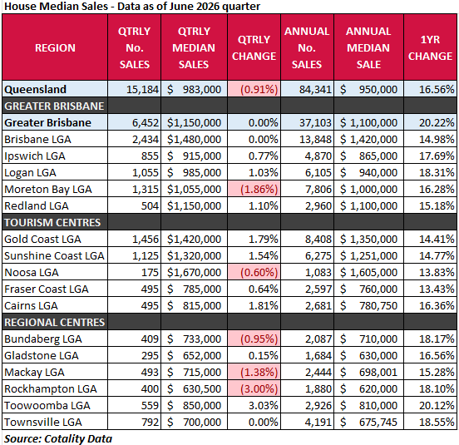
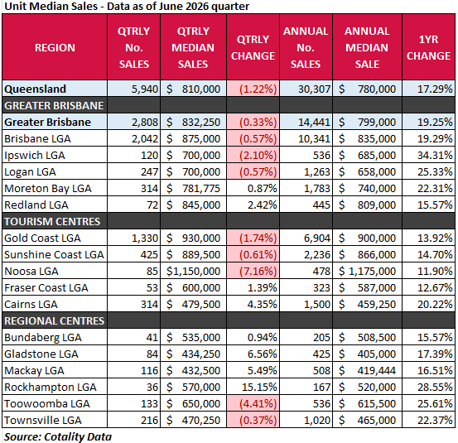
General information only, not personal financial, tax or legal advice. Lender policies and government rules change, so check current criteria before you apply.