

Find the questions an inspection cannot answer
Our recommendation is to investigate the issues that could stop you buying before spending time on cosmetic improvements. Start with condition, flood exposure, approval questions and whether the location works for your household. Give each unresolved issue an owner and a deadline. The guides below help you turn those checks into a decision about the actual property.
Give each unanswered question a place
Keep one folder for the listing, inspection notes and reports, with a short list of questions at the top. We suggest sorting them into three groups: issues that could stop the purchase, costs you need to understand and improvements that can wait. For each important question, name the person who can answer it and the document or inspection needed. This keeps a reassuring conversation from closing a question that still needs evidence.
Ask your solicitor or conveyancer to review the contract before you sign and explain which searches and conditions suit the transaction. Moneysmart recommends this early legal review. Give your adviser the questions already worrying you rather than assuming a standard document check will cover every plan you have for the home.
Read building and pest reports for their limits too
Arrange appropriate building and pest inspections and agree on their scope with the inspectors. Ask what will be examined, what access is needed and whether any specialist checks are recommended. If you receive an existing report, check its date, property details and whether you can rely on it with your adviser.
Read the limitations and recommended follow-up as carefully as the findings. The QBCC explains that a pre-purchase building inspection is not a warranty against future defects. For example, an inaccessible area remains an unanswered question. Ask the inspector what further investigation could establish before assuming it is sound, and seek appropriate repair advice where a problem is identified.
Check flood information at the property address
Use the relevant council’s flood information for the address. Within Brisbane City Council’s local government area, FloodWise Property Reports provide technical property information. Read the report’s qualifications: missing assigned flood levels don't confirm that a property has no flood risk. Ask council or an appropriate specialist about information you cannot interpret.
We recommend getting an insurance quote while you are researching the property, before settling on your offer budget. An affordable purchase price can become less attractive when you add the actual insurance premium. Read the proposed cover, exclusions and excesses, and include the premium in the ownership costs you discuss with your broker. Queensland’s flood insurance guidance explains that policies differ in their flood cover. Keep the insurance enquiry alongside the flood research; getting a quote does not resolve what the mapping means or how flooding could affect your plans.
Try the neighbourhood as part of your ordinary week
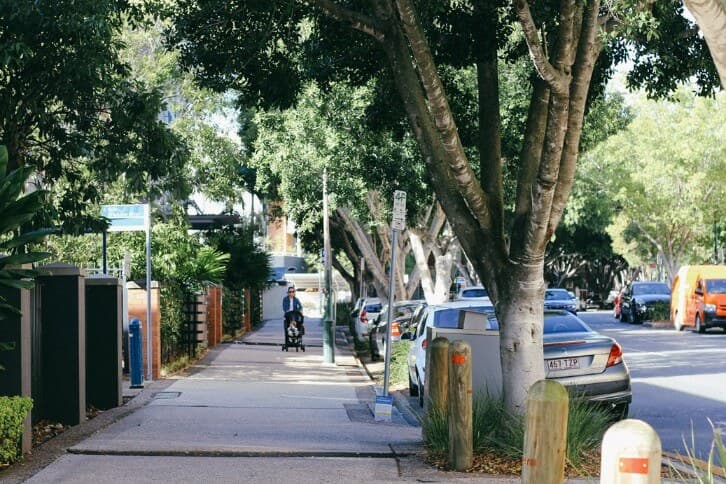
Visit at times that matter to your household. Try the journey to work, school or regular appointments from the address, allowing for walking, parking and transfers. Record the day and conditions so you can distinguish one useful trial from a promise about every future trip.
For example, a quiet Saturday inspection may leave your weekday arrival unanswered. Return when you would normally get home and check the route and immediate surroundings. Look into nearby development applications through the relevant council, too. Use what you find to ask specific questions about proposed works; an application is something to investigate, not a guarantee of what will eventually be built.
Compare the home with its records
Bring questions about extensions, converted rooms, boundaries or intended renovations to your legal adviser and relevant building or planning professional. Brisbane City Council’s property research tools include building documents, approval searches and planning information for its area. Ask which records are relevant and compare them with what you saw.
Queensland’s seller disclosure guidance identifies structural soundness, flooding history and previous building or development approvals as information the disclosure statement does not have to include. Discuss disclosure documents with your adviser while continuing those separate checks. A room described attractively in a listing still needs investigation if its approval or permitted use matters to your purchase.
Turn your research into a decision
We recommend a final review of the unresolved issues before you commit. For each one, decide whether you need more evidence, a cost estimate or advice about a suitable contract condition. If a repair remains unpriced, do not quietly treat it as affordable. Bring the likely costs and uncertainties to your broker to test the budget, and take questions about your contractual protection to your solicitor.
Choose the next action for each unresolved issue and discuss any contractual deadline with your adviser. If more investigation is needed, ask what options are available before committing or letting a deadline pass. Use the guides below to work through the subject that needs attention. The useful result is a clearer decision about this home and what you need to know before proceeding.
Explore the guides
6 practical guides, arranged in the order they are most useful.
Building and pest reports are essential
It's important to have building and pest reports before going into buying a new home. Contact our office today to learn more or get assistance.
Start this sectionBe flood aware
Flooding in Brisbane is fairly common in suburbs around the river, or in low-lying areas. Research about flood areas near your home. Contact us now.
Read guideCheck commute times
Check the commute times around the property you're eyeing to buy before buying it. Get more tips like this and more from our website. Visit us today.
Read guideResearch your suburb and surrounding area
Get tips on how to go about researching the house of your dreams with expert advise from industry professionals. Call us today for assistance.
Read guideResearch the history of your home
Brisbane’s suburbs are littered with character homes with lots and lots of history. Research the history of your home with our help. Call us.
Read guideWarning: Real estate agents aren’t your friend
Clever home buyers understand that it is the real estate agent’s job to work for the seller of the property, and not the buyer. Call us today.
Read guide